
Beautiful Plants For Your Interior
Beautiful Plants For Your Interior
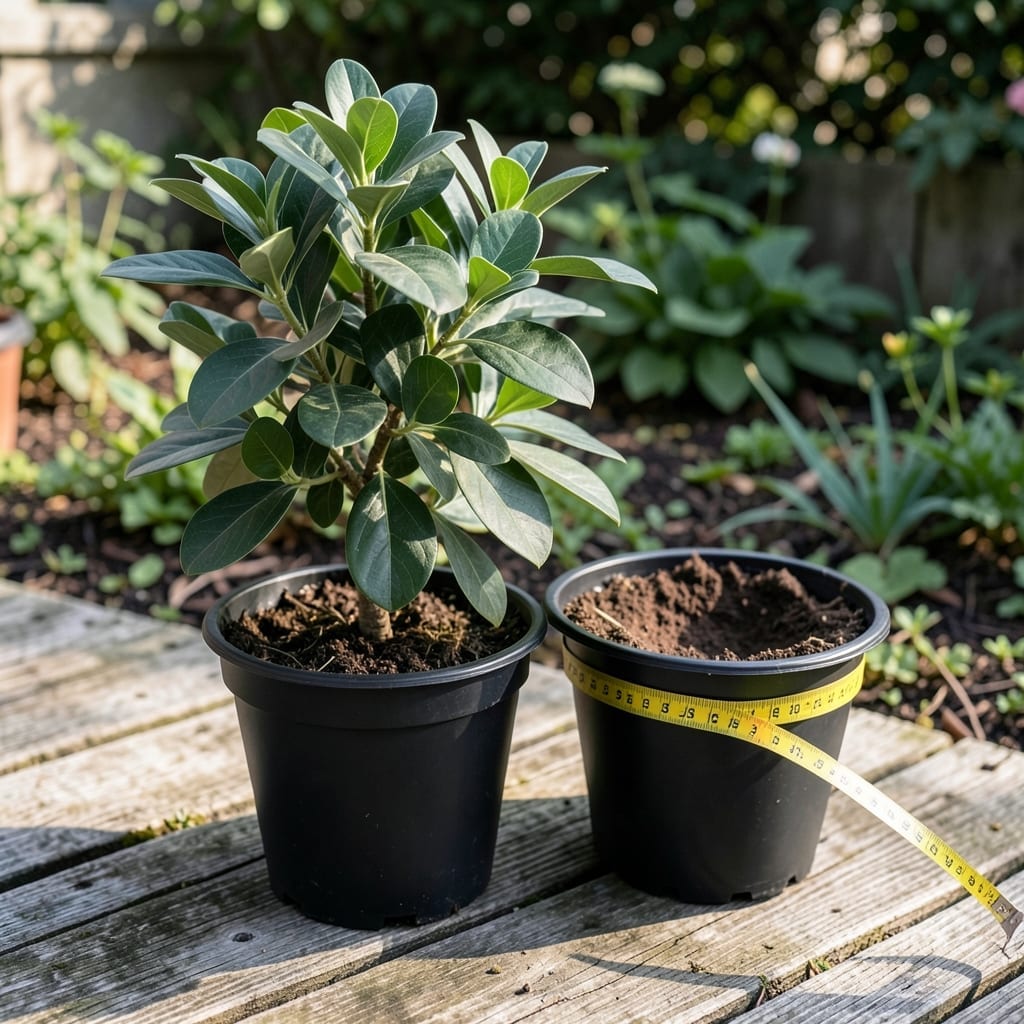
Ever struggled to picture how big a 3-gallon plant actually is? You’re not alone. Many gardeners underestimate the space these containers provide, leading to crowded roots and stunted growth.
I’ve seen firsthand how the right container size can make or break your General Plant 🌱. It’s not just about the pot—it’s about giving your plants room to thrive.
Discover the typical dimensions of a 3-gallon plant and how to choose the perfect container for healthy, vibrant growth. Let’s dig in.

A 3-gallon plant container typically measures 10-12 inches in diameter and 8-10 inches in depth. These dimensions provide ample space for root development while keeping the plant manageable for most gardeners.
I’ve found that plastic pots in this size often run slightly larger than ceramic ones, which can affect how much soil and root space your plant actually gets. Always check the actual measurements before purchasing.
| Container Type | Diameter | Depth | Root Space |
| Plastic | 12 inches | 10 inches | Generous |
| Ceramic | 10 inches | 8 inches | Moderate |
| Fabric | 11 inches | 9 inches | Excellent airflow |
The plant itself in a 3-gallon container usually stands 1-3 feet tall, depending on the species. For example, dwarf shrubs or herbs like rosemary fit perfectly, while larger plants may need upsizing soon.
I always recommend measuring your plant’s current height and root ball before transferring. A 3-gallon pot works well for plants with a 6-8 inch root ball, ensuring they have room to grow without being overwhelmed.
Root development is key in these containers. If roots start circling the bottom, it’s a sign your plant is root-bound and needs a larger home. I check this every 3-4 months for fast growers like tomatoes or peppers.
For in-ground planting, a 3-gallon plant typically needs a 12-18 inch hole diameter. This gives roots space to spread out. I’ve seen gardeners struggle when they dig holes too small, leading to transplant shock.
Material matters too. Plastic pots retain moisture longer, which is great for drought-sensitive plants, but they can also restrict airflow. Ceramic pots, while heavier, offer better stability for top-heavy plants.
Drainage holes are non-negotiable. Without them, water pools at the bottom, causing root rot. I always drill extra holes if the container lacks sufficient drainage, especially for plants like succulents that hate wet feet.
If you’re using a 3-gallon container for seed starting, remember that seedlings will outgrow it quickly. I transplant my seedlings to larger pots once they reach 4-6 inches tall to prevent stunting.
Finally, always consider the mature size of your plant. A 3-gallon container is ideal for small to medium plants, but larger varieties like full-size tomatoes will need at least 5 gallons to thrive 🌱
Proper spacing for a 3-gallon plant ensures healthy growth. In containers, I recommend placing them 12-18 inches apart to allow for airflow and root expansion. This prevents competition for nutrients and water.
For in-ground planting, dig a hole twice as wide as the root ball but no deeper. A 3-gallon plant typically needs a 12-18 inch diameter hole to accommodate its roots comfortably.
I’ve noticed that herbs like basil and thyme do well in 3-gallon pots with 8-10 inches of spacing. They thrive with consistent moisture but hate soggy roots, so good drainage is essential.
For dwarf shrubs or small ornamentals, a 3-gallon container works if you plan to transplant soon. These plants often reach 2-3 feet tall and need room to spread. I upsize to a 5-gallon pot once they outgrow their space.
Air circulation is often overlooked. Crowded plants in 3-gallon containers can develop fungal diseases. I space my pots on a raised rack to improve airflow and reduce humidity around the leaves.
Finally, remember that container material affects spacing needs. Fabric pots allow roots to breathe but dry out faster, so I group them closer for easier watering. Ceramic pots retain moisture longer, so I space them farther apart to prevent oversaturation.
With the right spacing and care, your 3-gallon plants will grow strong and healthy 🌿