
Beautiful Plants For Your Interior
Beautiful Plants For Your Interior
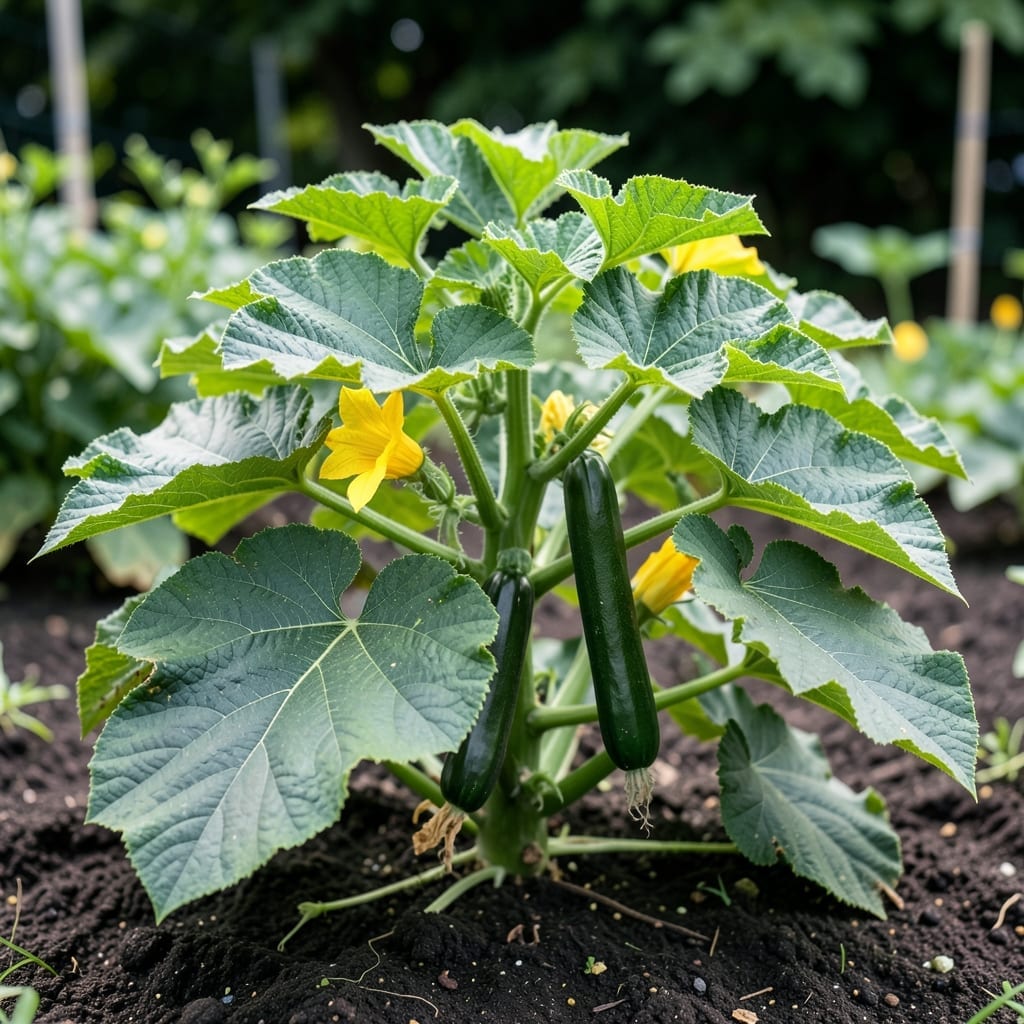
Zucchini plants often take gardeners by surprise with their impressive growth. What starts as a small seedling can quickly transform into a sprawling plant that demands attention.
If you’ve ever wondered about the space these plants need, you’re not alone. Many find themselves scrambling to adjust their garden layout as their 🥒 zucchini expands beyond expectations.
Understanding the mature size helps you plan effectively from the start. With the right knowledge, you can create the perfect environment for your zucchini to thrive without overwhelming your garden.
Discover how to manage this vigorous grower and make the most of your space this growing season.
If you’re new to growing zucchini plants, you might be amazed by how quickly they expand. Under ideal conditions, these vigorous growers can reach 2 to 3 feet tall with a spread of 3 to 4 feet. Their large leaves can be 12 inches wide, creating a lush canopy that shades the soil. 🌱
As for the zucchini fruits, they typically grow 6 to 8 inches long and 2 inches in diameter when ready for harvest. However, if left unharvested, they can balloon to 2 feet long and weigh 10 pounds or more. This rapid growth is why I always check my plants daily during peak season. 🌿
| Measurement | Typical Size |
|---|---|
| Plant Height | 2-3 feet |
| Plant Spread | 3-4 feet |
| Leaf Size | 12 inches wide |
| Fruit Length (Harvest) | 6-8 inches |
| Fruit Diameter | 2 inches |
| Max Fruit Size | 2+ feet, 10+ lbs |
Different zucchini cultivars can vary in size. For example, bush varieties like ‘Eight Ball’ stay more compact, typically reaching 2 feet tall with a 3-foot spread. These are perfect for small gardens or container growing. I’ve had great success with them in raised beds. 🌱
On the other hand, vining zucchini types can spread even wider if given the space. In my experience, they’ll sprawl 6 to 8 feet if allowed to trail along the ground. This is why I recommend trellising for gardeners with limited space. It keeps the plants manageable while improving air circulation. ☀️
The growing conditions play a huge role in how big your zucchini gets. Plants in rich, well-draining soil with full sun exposure will grow larger than those in poor soil or partial shade. I’ve noticed my zucchini plants in compost-enriched beds consistently outperform those in less fertile spots. 💧
Watering also impacts size. Consistent moisture is key—aim for 1 to 1.5 inches per week. Drought-stressed plants may produce smaller fruits, while overwatering can lead to excessive foliage with fewer zucchinis. I use a drip irrigation system to maintain even soil moisture. ✂️
If you’re growing zucchini in containers, choose a pot that’s at least 5 gallons in size. Dwarf varieties are best for this setup. I’ve grown ‘Patio Star’ in large containers with great results, though the plants were slightly smaller than their in-ground counterparts. 🪴
Remember that pruning can help control size. Removing older leaves improves airflow and directs energy toward fruit production. I typically prune my zucchini plants once a week during the growing season to keep them in check. This also makes harvesting easier. 🌿
Finally, don’t forget that zucchini plants are heavy feeders. They’ll benefit from regular fertilization with a balanced 10-10-10 fertilizer every 4 to 6 weeks. This boosts growth and ensures a bountiful harvest of those delicious, fast-growing fruits. 🌱
Several key elements determine how large your zucchini plants will grow in your garden. I’ve found that soil quality plays a major role—rich, well-draining soil encourages robust growth while poor soil can stunt development.
Sunlight exposure is another critical factor. Zucchini thrives in full sun, meaning at least 6-8 hours of direct light daily. Without enough light, plants grow leggy and produce fewer fruits. ✂️
Watering habits also affect size. I recommend deep watering at the base 2-3 times per week, especially during dry spells. Inconsistent watering can lead to smaller plants and bitter fruits.
Don’t overlook plant spacing either. Crowded zucchini competes for resources, limiting growth. I always space mine 3-4 feet apart to allow for their sprawling nature.
Finally, pruning techniques can help manage size. Removing older leaves improves airflow and directs energy toward fruit production. This keeps plants healthy and productive. 🌿
By controlling these factors, you can influence your zucchini’s growth to fit your garden space while maximizing yield. It’s amazing how responsive these plants are to proper care and conditions.