
Beautiful Plants For Your Interior
Beautiful Plants For Your Interior
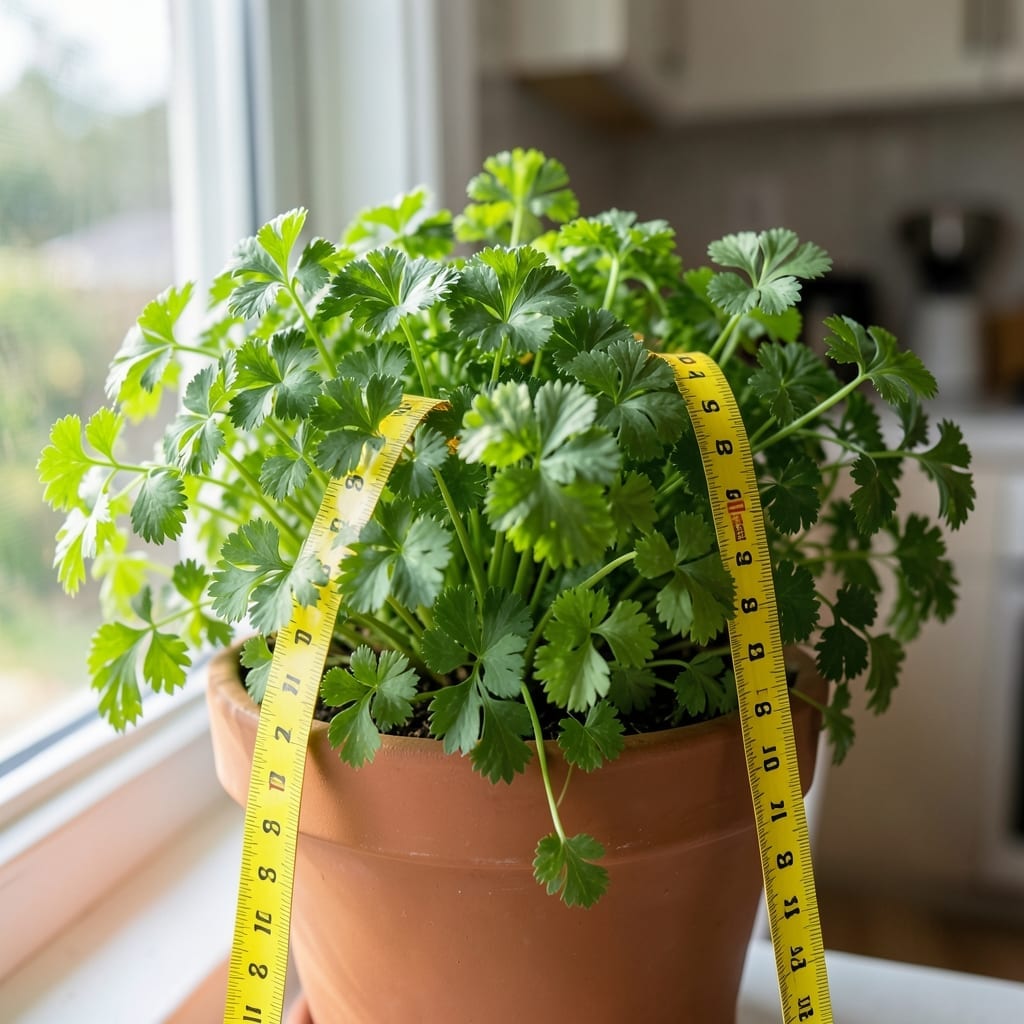
Whether you’re planning a herb garden or just curious about this versatile plant, knowing how big parsley grows helps you give it the right space to thrive. From leafy flat-leaf varieties to curly types, the size of 🌿 Parsley can surprise first-time growers.
What starts as a tiny seedling can transform into a bushy plant that fills its space beautifully. Understanding its growth potential means you can design your garden layout with confidence.
I’ve seen many gardeners underestimate how much room parsley needs, leading to crowded plants and stunted growth. The good news is that with the right knowledge, you can avoid this common mistake.
Let me walk you through what to expect from your parsley plants, so you can give them the perfect conditions to reach their full size.

When I first started growing parsley, I was amazed at how quickly it reached its full size. Most mature parsley plants typically grow 12 to 18 inches tall, with a similar spread. This makes them a perfect fit for both garden beds and containers.
The flat-leaf parsley tends to grow slightly taller, often reaching 18 inches, while curly parsley stays closer to 12 inches. Their root systems are shallow, usually 4 to 6 inches deep, so they don’t need much space underground.
| Variety | Height | Spread | Root Depth |
|---|---|---|---|
| Flat-Leaf | 12-18 inches | 12-15 inches | 4-6 inches |
| Curly | 10-12 inches | 10-12 inches | 4-5 inches |
| Dwarf | 6-8 inches | 8-10 inches | 3-4 inches |
Growth stages also play a role in size. As seedlings, parsley starts small, but with proper care, it can reach half its mature height in just 6 to 8 weeks. Full maturity is usually achieved in 70 to 90 days from sowing.
I’ve noticed that soil quality and sunlight exposure greatly influence size. Parsley thrives in well-draining soil with full sun to partial shade. In poor soil, it may stay smaller, while rich, loose soil encourages robust growth.
Watering habits matter too. Consistent moisture keeps parsley from bolting prematurely, which can stunt its growth. I aim for 1 inch of water per week, adjusting for rainfall and temperature.
If you’re growing parsley in containers, choose pots at least 8 to 10 inches deep to accommodate the roots. Shallow containers can limit growth, leading to smaller, less vigorous plants.
Pruning also affects size. Regularly trimming outer leaves encourages bushier growth, while neglect can result in leggy, sparse plants. I like to harvest the outer leaves first, leaving the center to continue growing.
For those in cooler climates, parsley may grow more slowly, especially in early spring or late fall. In warmer regions, it can reach full size more quickly, sometimes exceeding the typical height if conditions are ideal.
In my experience, giving parsley the right start—good soil, proper spacing, and consistent care—ensures it reaches its full potential in both height and spread. This makes it a rewarding herb to grow for any gardener. 🌿
Managing parsley size starts with proper spacing. I recommend planting seeds 6-8 inches apart in garden beds to allow for bushy growth without competition.
For container gardening, choose pots at least 8-10 inches deep with drainage holes. This gives roots room to spread while keeping the plant compact and manageable.
Regular pruning helps control size and promotes fuller plants. I trim my parsley by cutting outer stems first, leaving the center to continue growing.
Fertilizing every 4-6 weeks with a balanced 10-10-10 feed supports healthy growth without excessive size. Over-fertilizing can lead to leggy plants that flop over.
In containers, watering needs increase as plants grow. I check soil moisture daily and water when the top inch feels dry, ensuring consistent moisture for steady growth.
Remember, parsley is a biennial, so it may grow larger in its second year. Plan your garden layout with this growth pattern in mind 🌿