
Beautiful Plants For Your Interior
Beautiful Plants For Your Interior
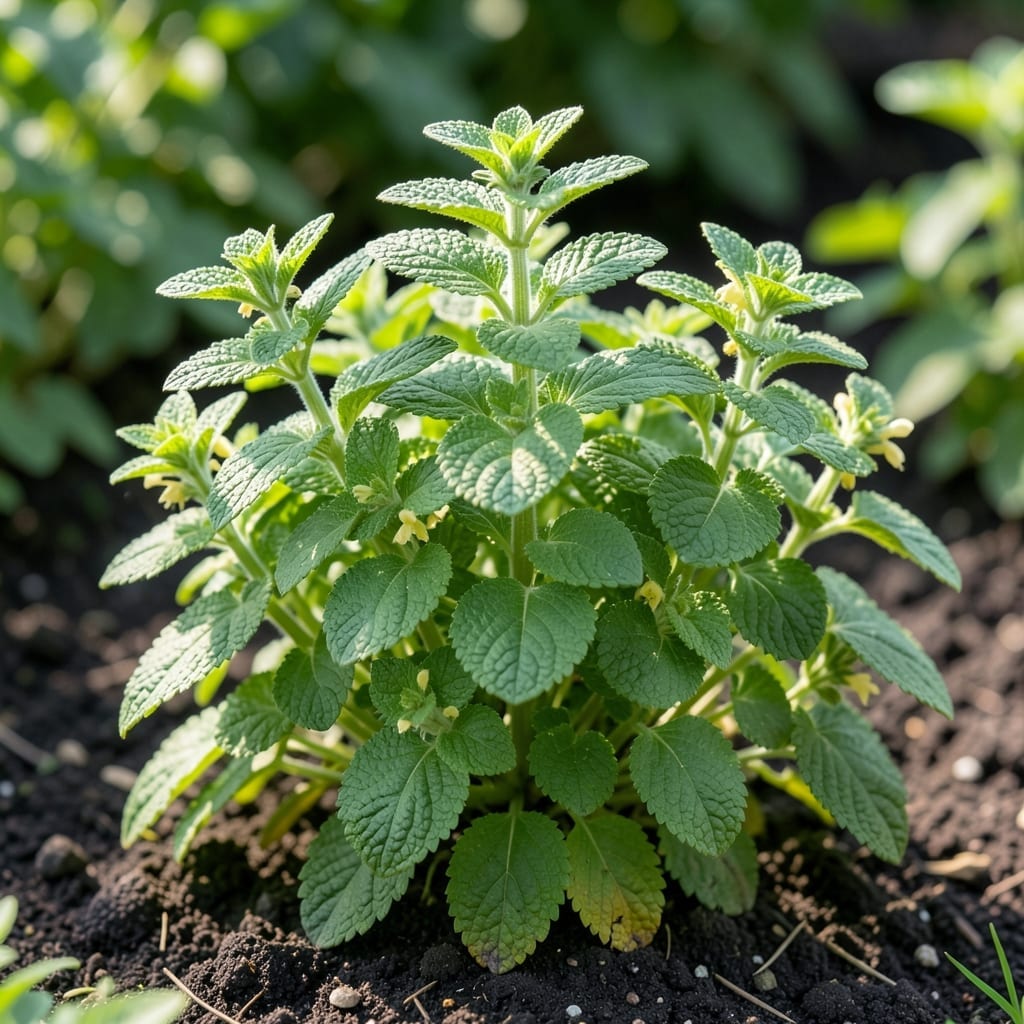
Lemon balm is a fragrant, fast-growing herb that can quickly become a garden favorite—but without proper planning, its size might surprise you. Understanding its mature dimensions helps gardeners allocate space and prevent overcrowding.
I’ve seen 🌿 Lemon Balm thrive in gardens across zones 4-9, and its growth habit is something every gardener should prepare for. This hardy plant doesn’t stay small for long, and knowing its potential height and spread is key to a well-organized garden.
Whether you’re planting in the ground or containers, getting a handle on its size early will save you headaches later. Proper spacing and a little foresight can make all the difference in keeping this herb manageable and healthy.
Discover how to plan for its growth and keep your garden looking its best. Let’s dive into what you need to know about this versatile plant’s mature size.
If you’ve ever wondered how big lemon balm gets, the answer depends on growing conditions and cultivation methods. In ideal settings, this hardy perennial herb typically reaches 2 to 3 feet tall with a 1- to 2-foot spread. 🌿
Under full sun and rich soil, lemon balm may grow taller, while partial shade or container gardening can limit its size. Wild varieties often exceed 3 feet, but cultivated types stay more compact. Proper spacing helps prevent overcrowding and invasive spread. 🌱
I’ve found that lemon balm thrives in USDA zones 4-9, where it can reach its maximum height in just one growing season. The first year often sees 1-2 feet of growth, while mature plants in subsequent years may hit 3 feet if left unpruned. ✂️
For gardeners with limited space, growing lemon balm in containers is a smart choice. A 12-inch pot can restrict its spread to 1 foot, making it more manageable. Just ensure the container has drainage holes to prevent root rot. 🪴
The spread of lemon balm is where many gardeners get surprised. Without regular pruning or barriers, it can self-seed aggressively and spread via underground runners. I recommend planting in borders or using root barriers to control its expansion.
Sunlight plays a huge role in size. Full sun (6+ hours daily) encourages taller growth, while partial shade (4-6 hours) keeps it more compact. If you’re growing it for culinary or medicinal use, more sun means more fragrant leaves. ☀️
Soil quality also impacts dimensions. Rich, well-draining soil supports larger plants, while poor soil may stunt growth. I always amend my garden beds with compost before planting to give lemon balm the best start.
If you’re planting multiple lemon balm specimens, space them 18-24 inches apart. This gives each plant enough room to mature without competing for nutrients. For container gardening, a 5-gallon pot is ideal for a single plant.
Remember, lemon balm’s size isn’t just about height and width—it’s also about density. A well-maintained plant will be bushy and full, while a neglected one may become leggy and sparse. Regular harvesting encourages new growth and keeps it lush and compact. 🌿
If you’ve ever planted lemon balm, you know it can spread aggressively. I’ve seen it take over entire beds when left unchecked. Without control, this hardy perennial can reach 2-3 feet tall and 1-2 feet wide per plant.
Its rapid growth habit makes it a garden bully, crowding out other plants. That’s why I always recommend proactive management from day one. Regular pruning and strategic planting are your best defenses.
I’ve found that container gardening works wonders for lemon balm. A 12-inch pot per plant keeps roots in check while allowing healthy growth. Just ensure the container has drainage holes to prevent root rot.
Pruning is another game-changer. I trim my plants back by one-third every 4-6 weeks during the growing season. This keeps them compact and encourages bushier growth instead of lanky stems.
If you prefer in-ground planting, consider edging barriers to contain the roots. I bury metal or plastic edging at least 6 inches deep around my lemon balm patch. It’s a simple but effective way to prevent unwanted spread.
Finally, don’t underestimate the power of regular harvesting. The more you pick, the more the plant branches out, staying fuller and more manageable. Plus, you’ll have plenty of fresh leaves for teas and aromatherapy! 🌿