
Beautiful Plants For Your Interior
Beautiful Plants For Your Interior
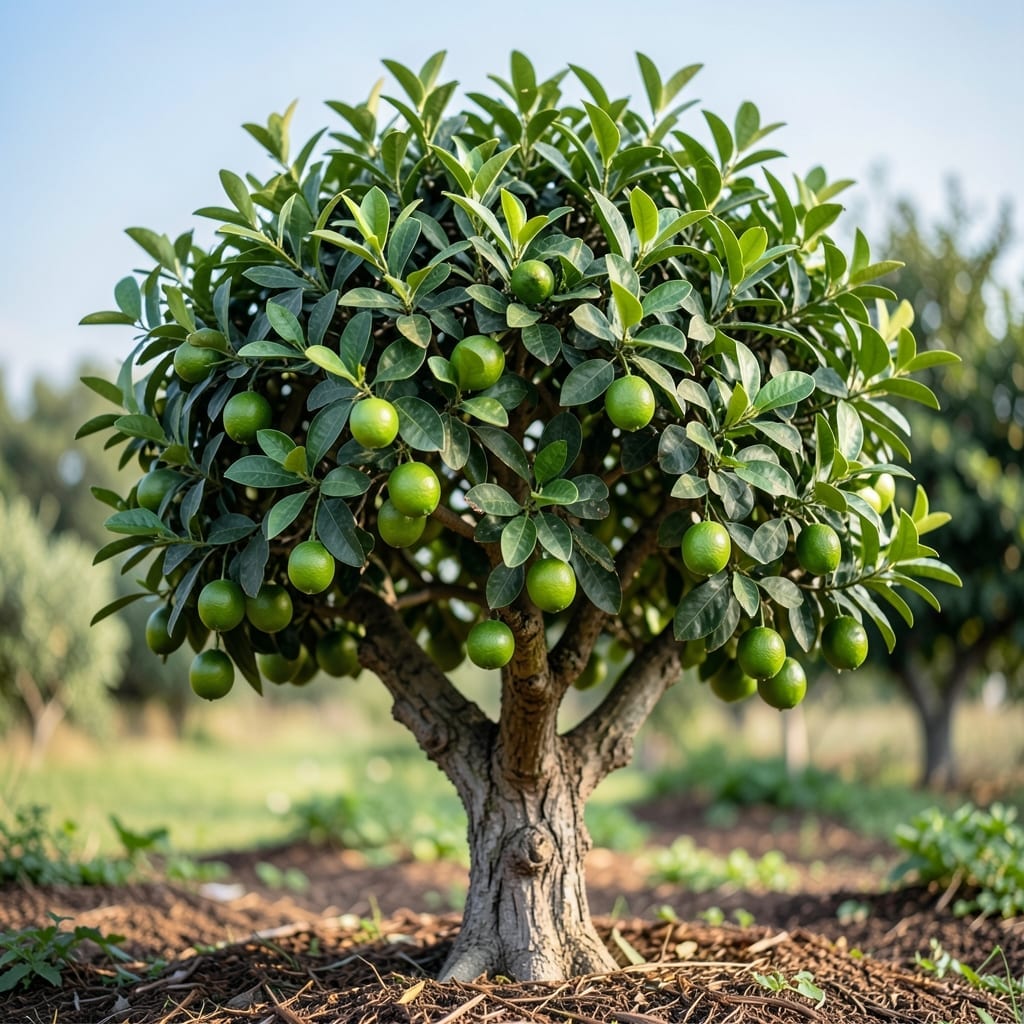
Picture this: a lush 🍋 Lime Tree gracing your backyard, its branches heavy with fruit. But before you plant, you need to know how much space it’ll claim.
From compact dwarf varieties to towering standards, these trees can span a surprising range. In zones 9-11, they thrive with the right care and room to grow.
Discover the typical mature size of a Lime Tree and what factors might shape its dimensions. Let’s dig into the details so you can plan with confidence.
If you’re wondering how big does a lime tree get, the answer depends on the variety. These citrus trees can range from compact patio specimens to impressive backyard giants. I’ve seen gardeners surprised by how quickly their lime trees reach mature size.
Most lime trees fall into three size categories: dwarf, semi-dwarf, and standard. Each has distinct height and spread ranges that affect where and how you can grow them. Let’s explore the specifics to help you plan.
| Variety | Mature Height | Mature Spread |
| Key Lime | 6-10 ft | 5-8 ft |
| Persian Lime | 10-15 ft | 8-12 ft |
| Bearss Lime | 15-20 ft | 10-15 ft |
| Kaffir Lime | 8-12 ft | 6-10 ft |
| Dwarf Varieties | 4-6 ft | 3-5 ft |
The Key lime tree, also known as Mexican lime, typically stays on the smaller side. In my experience, it’s perfect for container growing or small gardens, rarely exceeding 10 feet tall with proper care.
Persian limes, the most common grocery store variety, grow larger. I’ve seen them reach 15 feet tall in ideal conditions, with a spread nearly as wide. They need more space but reward with abundant fruit.
The Bearss lime, also called Tahiti lime, is the giant of the group. These trees can soar to 20 feet tall with a 15-foot spread, making them best for large landscapes. Their size makes them less ideal for containers.
Kaffir limes are unique with their double leaves and bumpy fruit. They usually stay between 8-12 feet tall, making them a good middle-ground option for many gardeners. I love their aromatic leaves for culinary uses.
For truly small spaces, dwarf lime varieties are the answer. These stay under 6 feet tall and can thrive in containers on patios. They’re perfect for urban gardeners or those with limited space.
Remember, these are mature sizes—your lime tree won’t reach these dimensions overnight. Most take 3-5 years to reach full size, with growth slowing as they mature. Proper pruning can help control size.
When planning, consider both height and spread. A tree’s width often matches or exceeds its height, so give it room to grow. I always recommend planting at least 10 feet away from structures or other large plants.
Whether you choose a dwarf for your balcony or a standard for your backyard, knowing these size ranges helps you create the perfect spot for your lime tree to thrive 🌳
While variety sets the baseline for lime tree size, several factors can make your tree grow larger or stay smaller. I’ve seen the same variety reach vastly different sizes based on growing conditions and care.
Environment plays a huge role in determining how big does a lime tree get. Climate, soil quality, and available space all impact growth. Even the rootstock can influence final size significantly.
Climate zone affects growth rate and final size significantly
Soil quality and drainage impact root development and tree vigor
Watering consistency ensures steady growth without stress
Pruning practices can control size and shape effectively
Container vs ground planting affects root space and growth potential
Climate is perhaps the most significant factor. In their ideal zones 9-11, lime trees grow larger and faster. Cooler climates slow growth and may limit final size. I’ve noticed trees in containers stay smaller due to root restriction.
Soil quality directly affects growth rate. Rich, well-draining soil encourages vigorous growth, while poor soil can stunt development. I always recommend amending planting areas with compost for best results.
Watering practices influence size too. Consistent moisture promotes steady growth, while drought stress can limit a tree’s potential. Remember, citrus trees need regular deep watering especially during fruit development.
Pruning is your tool for size control. Regular pruning keeps trees at desired dimensions and improves air circulation. I find annual pruning helps maintain both health and size for my lime trees 🌿