
Beautiful Plants For Your Interior
Beautiful Plants For Your Interior
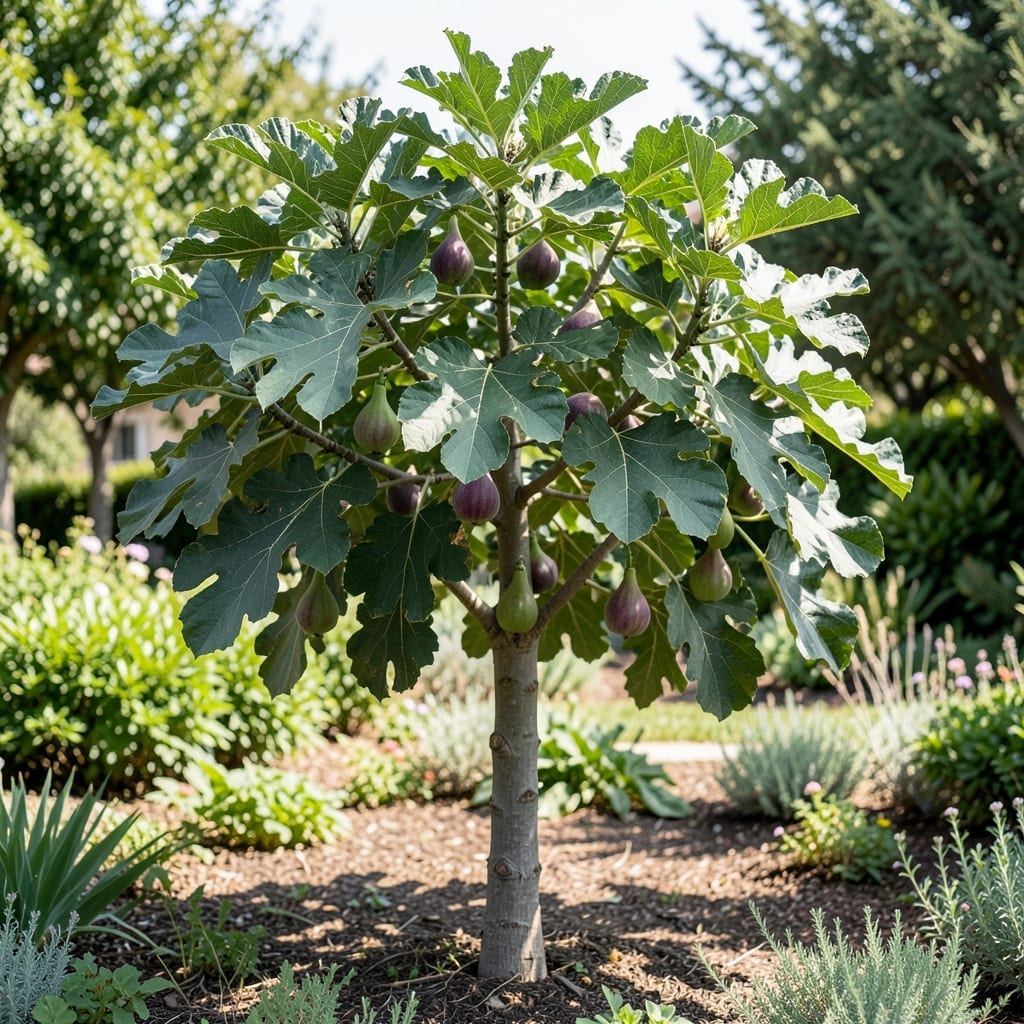
Imagine planting a Brown Turkey Fig Tree 🌳 and watching it transform your landscape. This hardy favorite surprises many with its impressive stature at full maturity.
Knowing its potential size helps you plan the perfect spot in your garden. Whether you have acres or a modest backyard, understanding its growth ensures healthy development.
Let me guide you through what to expect as your tree grows. Discover the space it needs and how to accommodate its grand presence.
The Brown Turkey Fig Tree is a stunning addition to any garden, but its mature size often surprises new growers. At full maturity, this deciduous tree typically reaches 15 to 30 feet tall with a similar spread of 15 to 30 feet. 🌳
Its root system can extend just as wide, so proper spacing is key to avoid competition with other plants. Factors like climate, soil quality, and pruning habits can influence its final dimensions.
In ideal conditions, this vigorous grower can reach the upper end of its range. I’ve seen some Brown Turkey Fig Trees hit 30 feet tall in warm climates like California or Florida. Cooler zones may limit it to 15-20 feet. ✂️
Soil plays a big role too. Well-draining, loamy soil encourages robust growth, while poor or compacted soil can stunt its development. If your soil is heavy clay, I recommend amending it with compost before planting.
The canopy spread is another consideration. A mature tree can cast significant shade, which is great for underplanting but may require strategic placement in smaller gardens. I always suggest planting it where it has room to expand without crowding other plants.
Pruning can help control its size. With annual pruning, you can keep it at a more manageable 10-15 feet tall. This is especially useful for urban gardeners or those with limited space. Just be sure to prune during dormancy in late winter to avoid stressing the tree.
If you’re planting multiple trees, space them at least 20 feet apart to prevent root competition and ensure good air circulation. This also makes harvesting easier and reduces the risk of pests and diseases. 🌿
For those in containers, dwarf varieties like the ‘Little Miss Figgy’ stay smaller, but even standard Brown Turkey trees can be grown in large pots with root pruning every few years. Just remember that container-grown trees may need more frequent watering and fertilizing.
Finally, consider the microclimate of your garden. A sheltered, sunny spot can help your tree reach its full potential, while windy or shady areas might limit its growth. I’ve found that trees planted near south-facing walls often grow faster due to the extra warmth.
The Brown Turkey Fig Tree grows at a moderate pace, typically adding 12 to 24 inches in height each year under ideal conditions. This steady growth makes it a rewarding choice for gardeners who enjoy watching their landscape evolve. ☀️
In its first few years, expect rapid development as the tree establishes its root system. By year three, many trees reach 12 to 18 feet, and they continue growing until they hit their mature size around 10 to 15 years of age.
🌱 Growth Stages
With proper care, these trees can live for decades, often exceeding 30 to 50 years. I’ve seen some century-old specimens still producing abundant fruit in Mediterranean climates. Their longevity makes them a true garden investment. 🌳
The tree’s productive lifespan begins around 2 to 4 years after planting. You’ll start seeing fruit earlier if you plant a mature specimen, but young trees need time to develop their fruit-bearing wood.
Climate significantly impacts growth rate. In warmer zones (9-10), trees grow faster and may reach maturity sooner. In cooler zones (7-8), growth slows, and the tree might take an extra 5 years to reach full size.
Consistent watering and fertilizing during the growing season can accelerate development. I recommend a balanced fertilizer applied every 4-6 weeks in spring and summer to support vigorous growth. 💧