
Beautiful Plants For Your Interior
Beautiful Plants For Your Interior
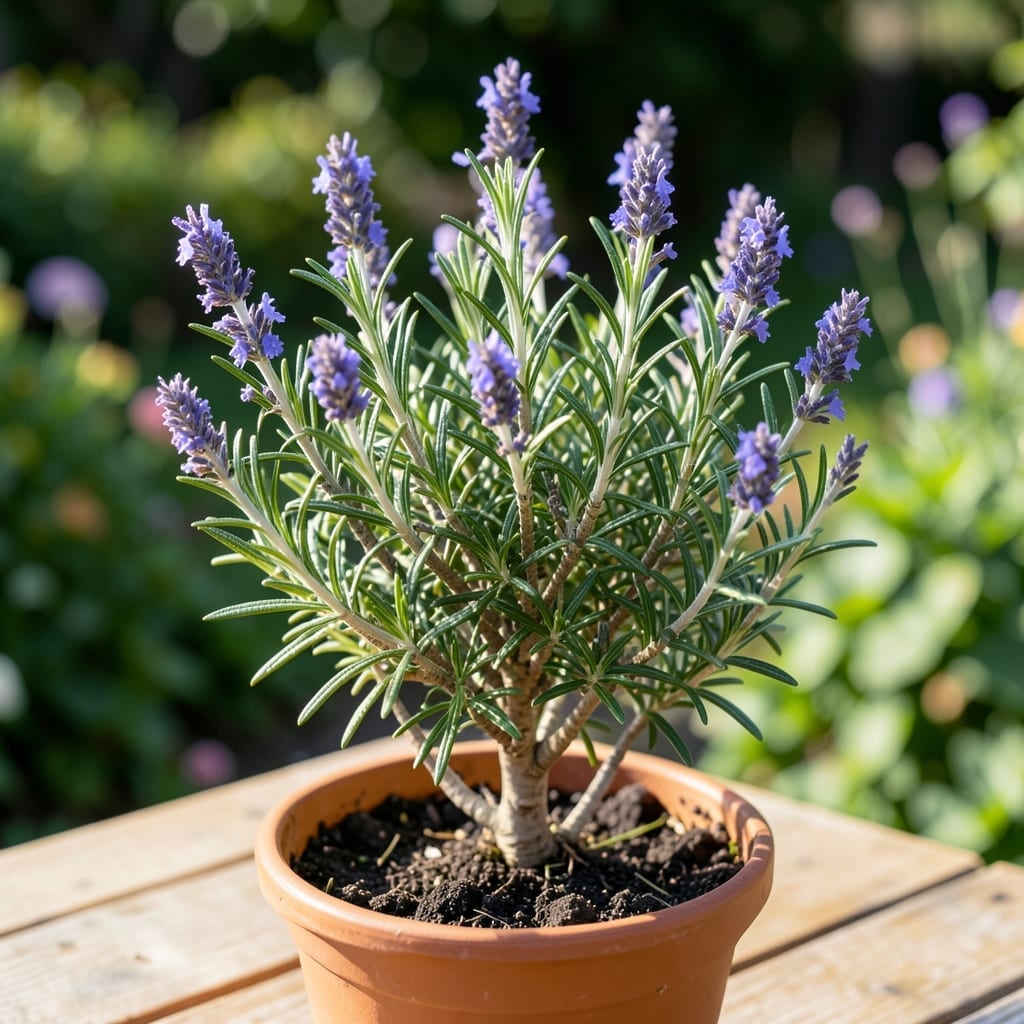
If you’ve ever seen a mature rosemary plant, you know it can range from a tidy kitchen herb to a shrub-like centerpiece in your garden. 🌿 The difference often comes down to the variety you choose and how you care for it.
Understanding the potential size of rosemary helps you plan your garden space and maintenance routine effectively. Whether you’re growing it in a pot or planting it directly in the ground, knowing what to expect is key.
Let me break down the typical growth patterns and share some practical tips to help you manage its size. You’ll be surprised at how adaptable this herb can be.
The mature size of rosemary varies widely depending on the variety. Upright rosemary, like ‘Arp’ or ‘Tuscan Blue,’ can reach 4-6 feet tall and 3-4 feet wide in ideal conditions.
Prostrate rosemary, such as ‘Prostratus’ or ‘Blue Spires,’ typically grows 1-2 feet tall but can spread 6-8 feet as a ground cover. These are perfect for cascading over walls or slopes.
| Variety | Height | Width | Growth Habit |
|---|---|---|---|
| Arp | 4-6 ft | 3-4 ft | Upright |
| Tuscan Blue | 5-6 ft | 3-4 ft | Upright |
| Prostratus | 1-2 ft | 6-8 ft | Prostrate |
| Blue Spires | 2-3 ft | 4-6 ft | Prostrate |
Dwarf varieties like ‘Blue Lagoon’ stay compact at 1-2 feet tall and wide, making them ideal for container gardening. These are great for small patios or indoor growing.
For those looking for a medium-sized option, ‘Spice Islands’ typically grows 3-4 feet tall with a similar spread. It offers a balance between height and manageability.
I’ve found that upright varieties need more vertical space, while prostrate types require wider areas to spread. Always check the mature size before planting to avoid overcrowding.
Climate plays a role too. In warmer zones (8-10), rosemary can grow larger, while in cooler areas, it may stay smaller or need winter protection.
If you’re planting in containers, the size will be limited by the pot. A 5-gallon container can support a 3-4 foot plant, while smaller pots will restrict growth.
Pruning is another way to control size. Regular trimming keeps the plant bushier and prevents it from becoming leggy. I recommend pruning after flowering to maintain shape.
Remember, rosemary is drought-tolerant once established, but consistent watering in the first year helps it reach its full potential. Well-draining soil is a must to prevent root rot.
With the right variety and care, you can enjoy a thriving rosemary plant that fits perfectly in your garden space. 🌿
Several key factors determine how large your rosemary plant will grow. Climate is one of the biggest influencers, as rosemary thrives in USDA zones 8-10 with warm temperatures and plenty of sun.
Soil quality also plays a major role. Rosemary prefers well-draining soil with a slightly alkaline pH. Poor drainage can stunt growth or cause root rot, limiting its potential size.
Sunlight exposure is another critical factor. Rosemary needs 6+ hours of direct sun daily to reach its maximum size. Without enough light, the plant may grow leggy and sparse.
Pruning helps manage size and shape. I recommend trimming back about 1/3 of the plant after flowering to keep it compact and encourage new growth.
The planting method affects size too. In-ground rosemary can grow much larger than those in containers. For example, a plant in a 5-gallon pot may only reach 3-4 feet, while the same variety in the ground could grow taller.
Finally, watering and fertilizing impact growth. Rosemary is drought-tolerant but benefits from consistent moisture during its first year. Over-fertilizing can lead to excessive growth, so I use a balanced 5-10-5 fertilizer sparingly. 🌿