
Beautiful Plants For Your Interior
Beautiful Plants For Your Interior
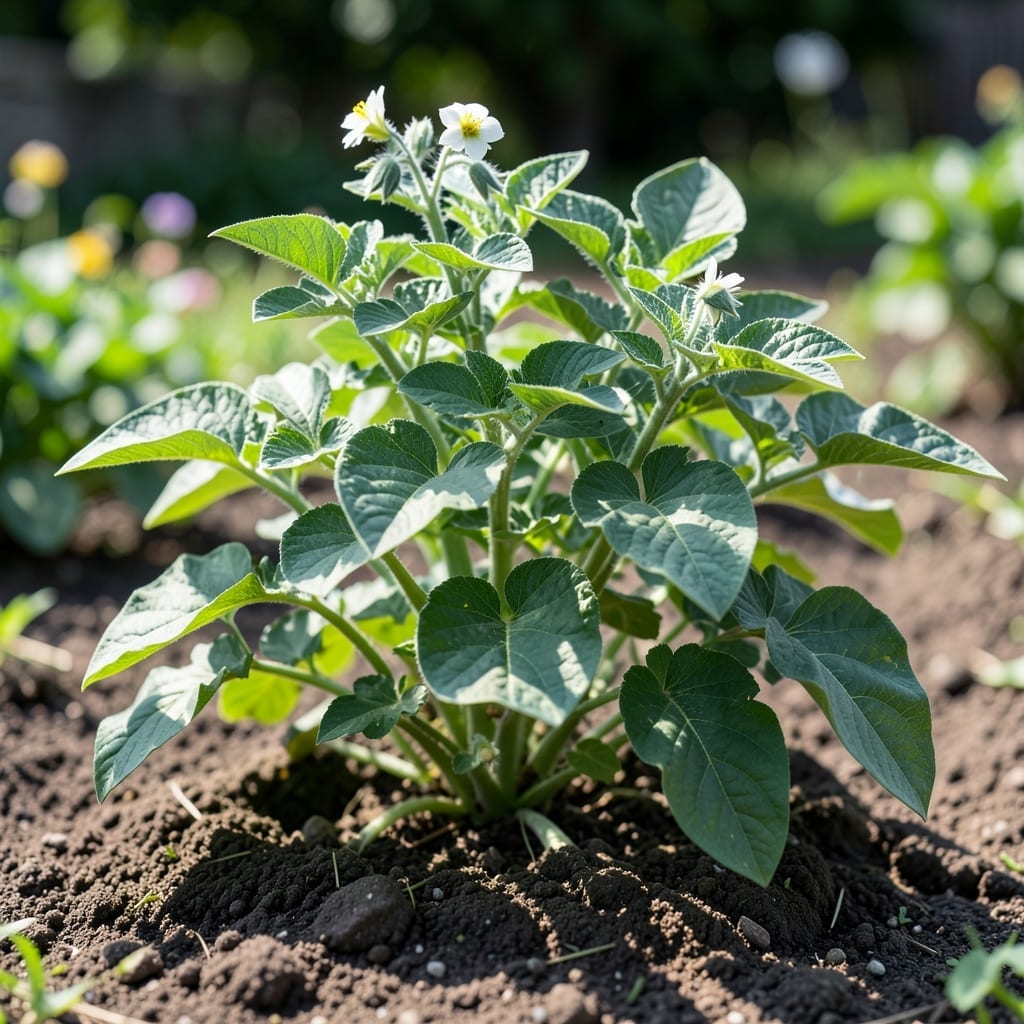
Potatoes are a garden staple, but their final size can vary dramatically based on growing conditions. Understanding how big 🥔 grow helps you plan space, harvest at the right time, and maximize yield.
From tiny new potatoes to substantial baking varieties, the difference often comes down to simple care techniques. I’ve seen firsthand how small adjustments can transform a mediocre harvest into an impressive one.
Discover what determines your potato size and how to encourage the most impressive results from your plants. The answer might surprise you.


When I first started growing potatoes, I was surprised by how much the plant size and tuber development could vary. The foliage typically reaches 2-3 feet tall with a similar spread, creating a bushy appearance.
Below ground, the tubers are what we’re really after. Their size depends on the variety and conditions, but most mature between 2-5 inches in diameter. Some heirloom types can grow even larger under ideal circumstances.
| Stage | Plant Height | Tuber Size |
|---|---|---|
| Sprouting | 3-6 inches | None yet |
| Early Growth | 6-12 inches | Marble-sized |
| Mid Growth | 1-2 feet | 1-2 inches |
| Mature | 2-3 feet | 2-5 inches |
| Harvest Ready | 2-3 feet | Variety dependent |
The growth stages are fascinating to observe. After planting seed potatoes, sprouts emerge in 1-2 weeks. The plants grow rapidly, and tubers begin forming once flowers appear, usually at 6-8 weeks.
I’ve noticed that early varieties like Yukon Gold mature in 60-70 days, producing medium-sized tubers. Late varieties, such as Russets, can take 90-120 days and often yield larger potatoes.
For new potatoes, you can start harvesting when plants are 1 foot tall. These will be small, about 1 inch in diameter, but incredibly tender. For full-size potatoes, wait until the foliage yellows and dies back.
The foliage itself can reach up to 3 feet in optimal conditions. I recommend providing support if your plants get particularly tall to prevent them from toppling over in wind or rain.
Fingerling potatoes are naturally smaller, typically 2-4 inches long and 1 inch wide. They’re perfect for gardeners with limited space. On the other end, baking potatoes can reach 5 inches or more in diameter.
Remember that tuber size is also influenced by how many seed pieces you plant. Fewer pieces per hill generally result in larger individual potatoes, as there’s less competition for nutrients.
In my experience, the most consistent results come from proper spacing. Plant seeds 12-15 inches apart in rows 30-36 inches apart. This gives each plant enough room to develop a strong root system and maximize tuber size.
🌱
In my gardening experience, the final size of potatoes depends on several key factors. The variety you choose plays a huge role—some naturally grow larger than others. But even more important are the growing conditions you provide.
I’ve found that soil quality makes a dramatic difference. Potatoes thrive in loose, well-draining soil with plenty of organic matter. Heavy clay soils can restrict tuber expansion, resulting in smaller potatoes.
The spacing between plants is crucial. When I plant my potatoes too close together, they compete for nutrients, resulting in smaller tubers. I aim for 12-15 inches between plants and 30-36 inches between rows.
Watering practices also impact size significantly. Potatoes need consistent moisture, especially during tuber formation. I water deeply once a week, ensuring the soil stays moist but never waterlogged.
Sunlight exposure directly affects potato size. I always plant in full sun locations where plants receive at least 6 hours of direct sunlight daily. This fuels robust growth and larger tubers.
Finally, fertilization can make a noticeable difference. I use a high-phosphorus fertilizer to encourage tuber development. Applying it at planting and when sprouts emerge gives my potatoes the nutrients they need to grow to their full potential.
☀️