
Beautiful Plants For Your Interior
Beautiful Plants For Your Interior
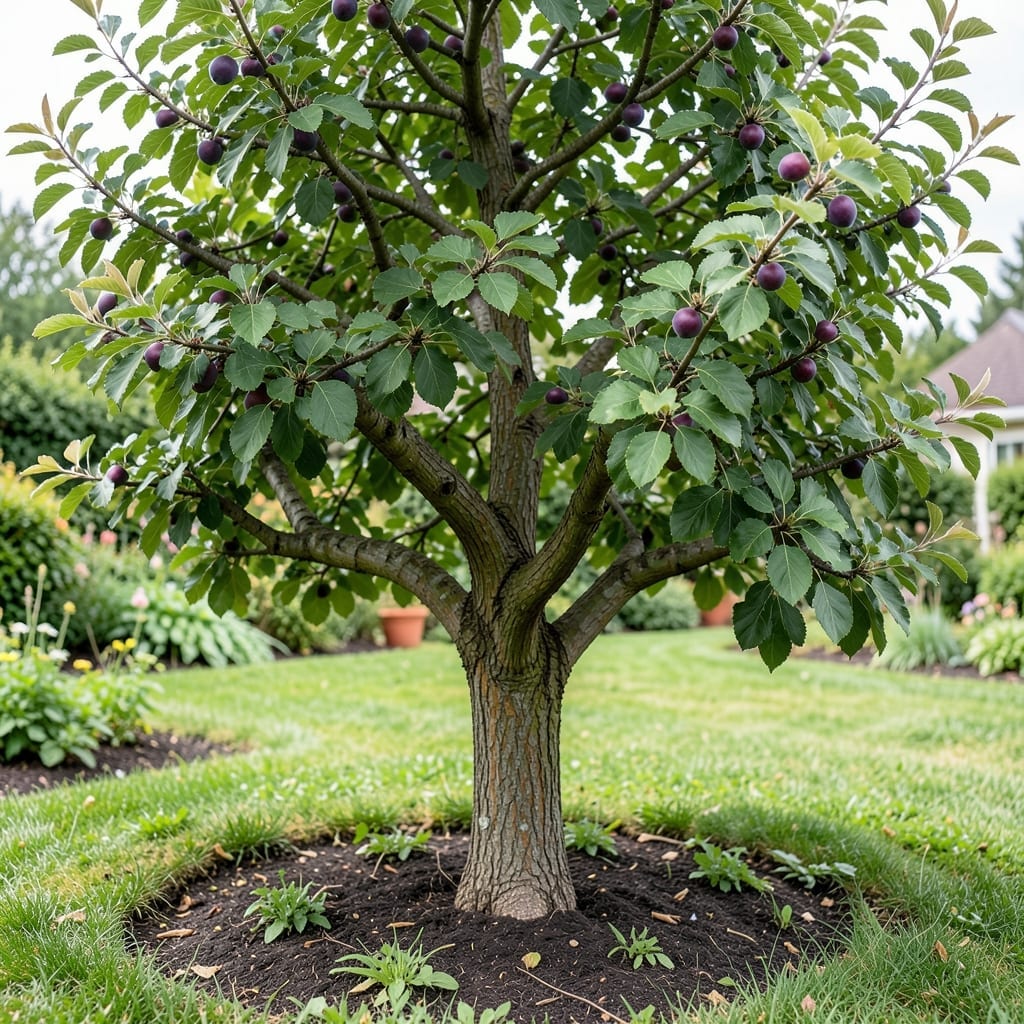
Planning to add a Plum Tree 🌳 to your landscape but unsure about space? The mature size varies more than you might think, from compact 8-10 ft dwarf varieties to standard types reaching 15-25 ft tall.
This range makes them adaptable to different yards, but it also means proper planning is essential. Whether you have a small urban garden or spacious property, there’s likely a perfect fit.
Let me walk you through the key factors that determine how big your Plum Tree will get and how to manage its growth effectively.
When I first started growing plum trees, I was surprised by how much size can vary between types. The mature height and spread depend heavily on the variety and rootstock you choose.
Standard European plum trees like Stanley typically reach 15-20 ft tall with a similar spread. Meanwhile, Japanese plums such as Methley often stay slightly smaller at 10-15 ft.
| Variety | Mature Height | Mature Spread |
|---|---|---|
| Standard European (Stanley) | 15-20 ft | 12-18 ft |
| Japanese (Methley) | 10-15 ft | 10-12 ft |
| Damson | 12-16 ft | 10-14 ft |
| Dwarf (All Varieties) | 8-10 ft | 6-8 ft |
| Semi-Dwarf (All Varieties) | 10-15 ft | 8-12 ft |
For small gardens, I recommend dwarf varieties that max out at 8-10 ft. These are grafted onto size-controlling rootstocks and perfect for containers or tight spaces.
Semi-dwarf plums strike a great balance at 10-15 ft, offering manageable size without sacrificing too much fruit production. They’re ideal for most backyard orchards.
The Damson plum is another excellent choice for smaller yards. It typically stays under 16 ft while producing abundant, tart fruits perfect for preserves.
Remember that spread is just as important as height. Most plums develop a round or vase-shaped canopy, so give them room to grow outward as well as upward.
In my experience, standard trees need at least 20 ft of space between plantings, while dwarfs can get by with 10-12 ft of separation.
Climate also plays a role in final size. In warmer zones, plums may grow 10-20% larger than in cooler areas. Always check the USDA zone recommendations for your specific variety.
For urban gardeners, container-grown dwarfs are a game-changer. With proper care, they’ll thrive on patios or balconies, reaching just 6-8 ft in both height and width.
While genetics play the biggest role in determining a plum tree’s final size, several environmental factors can significantly impact its growth. I’ve seen firsthand how proper care can help trees reach their full potential.
First, rootstock selection is crucial. Dwarfing rootstocks can keep even vigorous varieties at 8-10 ft, while standard rootstocks allow natural growth up to 25 ft.
Soil quality makes a noticeable difference. Plums thrive in well-draining loam with a pH of 6.0-7.0. Poor soil can stunt growth by 30-40% compared to ideal conditions.
Pruning is your best tool for size control. I recommend annual winter pruning to shape the tree and remove excess growth. This keeps the tree healthy while managing its dimensions.
Climate affects growth rates significantly. In warmer zones, plums may grow 20% larger than in cooler areas. Drought conditions can limit size, while consistent moisture promotes steady growth.
Watering deeply once a week encourages strong root development, which supports larger tree size. Container-grown plums need more frequent watering to prevent root restriction that limits growth.
Finally, sunlight exposure is non-negotiable. Plums need 6-8 hours of direct sun daily to reach their full size potential. Shade will result in a smaller, less productive tree.