
Beautiful Plants For Your Interior
Beautiful Plants For Your Interior
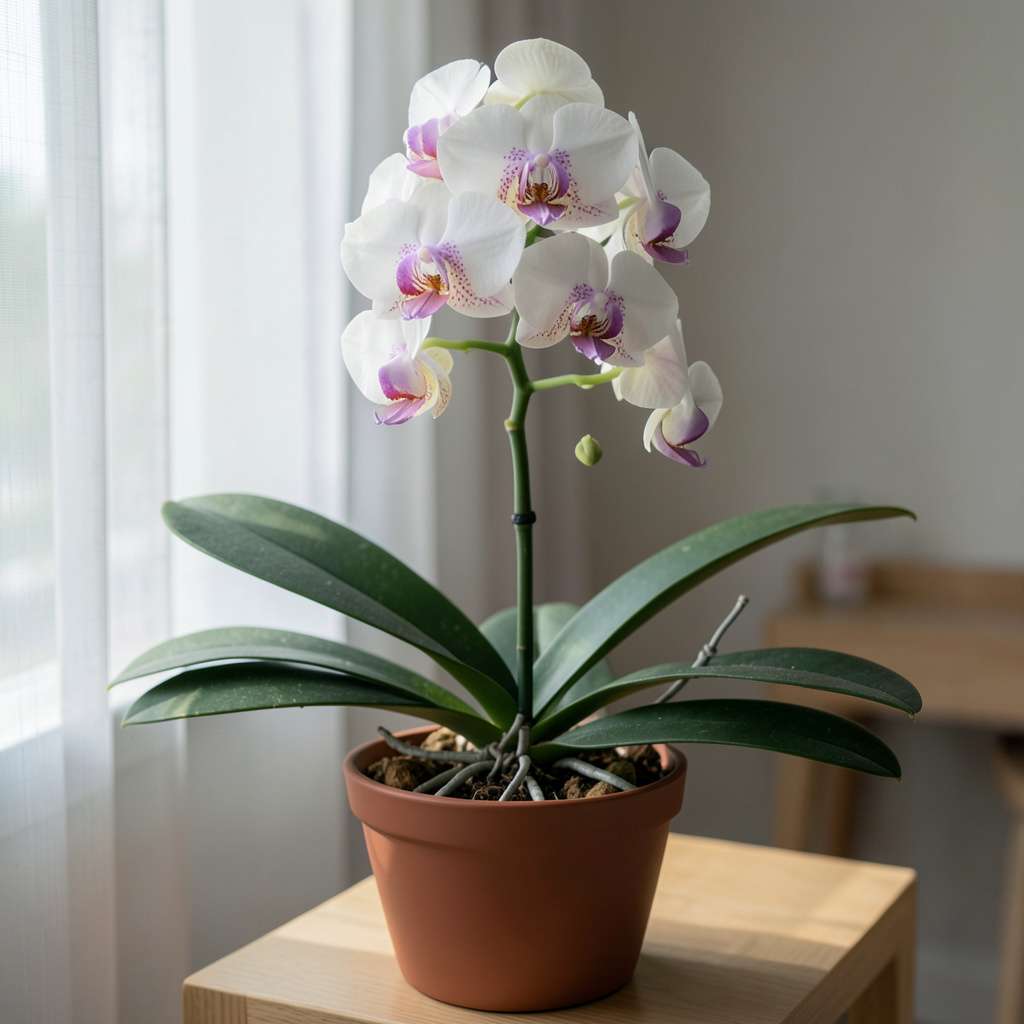
Orchids vary greatly in size, ranging from 6 inches (small varieties like Paphiopedilum) to over 6 feet tall (large types like Cymbidium), with most common species like Phalaenopsis growing 2-4 feet tall.
It’s fascinating how diverse these plants can be! 🌸 The size of orchids often depends on their species and the environment in which they’re grown. For example, genetic traits play a significant role in determining how tall or wide an orchid will grow, while factors such as light, humidity, and nutrients can either enhance or limit their growth potential. Understanding these variables can help you choose the right type for your space and ensure it thrives!
Additionally, seasonal changes can impact growth patterns, leading to impressive blooms or stunted growth if conditions aren’t optimal. If you’re aiming for a specific size, keep these influences in mind to cultivate a healthy and beautiful orchid collection. 🌱
💡 In This Article
The size of orchids is influenced by both genetic factors and environmental conditions. For instance, small varieties like Paphiopedilum typically reach only about 6 inches, while larger types such as Cymbidium can exceed 6 feet in height. 🌺
Environmental factors play a crucial role in growth potential. Light intensity, humidity levels, and nutrient availability significantly affect how tall and robust an orchid can become. For example, orchids grown in high humidity environments often display more vigorous growth compared to those in drier settings. 🌿
Seasonal changes also impact growth patterns. During the growing season, orchids may flourish, but as temperatures drop in winter, their growth can slow dramatically. This fluctuation can lead to variations in size even among the same species if conditions aren’t optimal. 🌞
Understanding these dynamics is essential for anyone looking to cultivate orchids effectively. By adjusting light exposure and maintaining appropriate humidity levels, you can create an environment that encourages healthy growth, maximizing the potential size of your orchids. 🌱
Additionally, different species have varying potting needs that influence their growth. For example, epiphytic orchids like Phalaenopsis prefer well-draining bark mixes that allow their roots to breathe, while terrestrial orchids may thrive in denser soils. 🪴
Ultimately, successful orchid cultivation requires attention to detail regarding species selection and environmental conditions. Knowing how these elements interact will help you create a thriving orchid collection that showcases the stunning diversity of these remarkable plants. 🌼
