
Beautiful Plants For Your Interior
Beautiful Plants For Your Interior
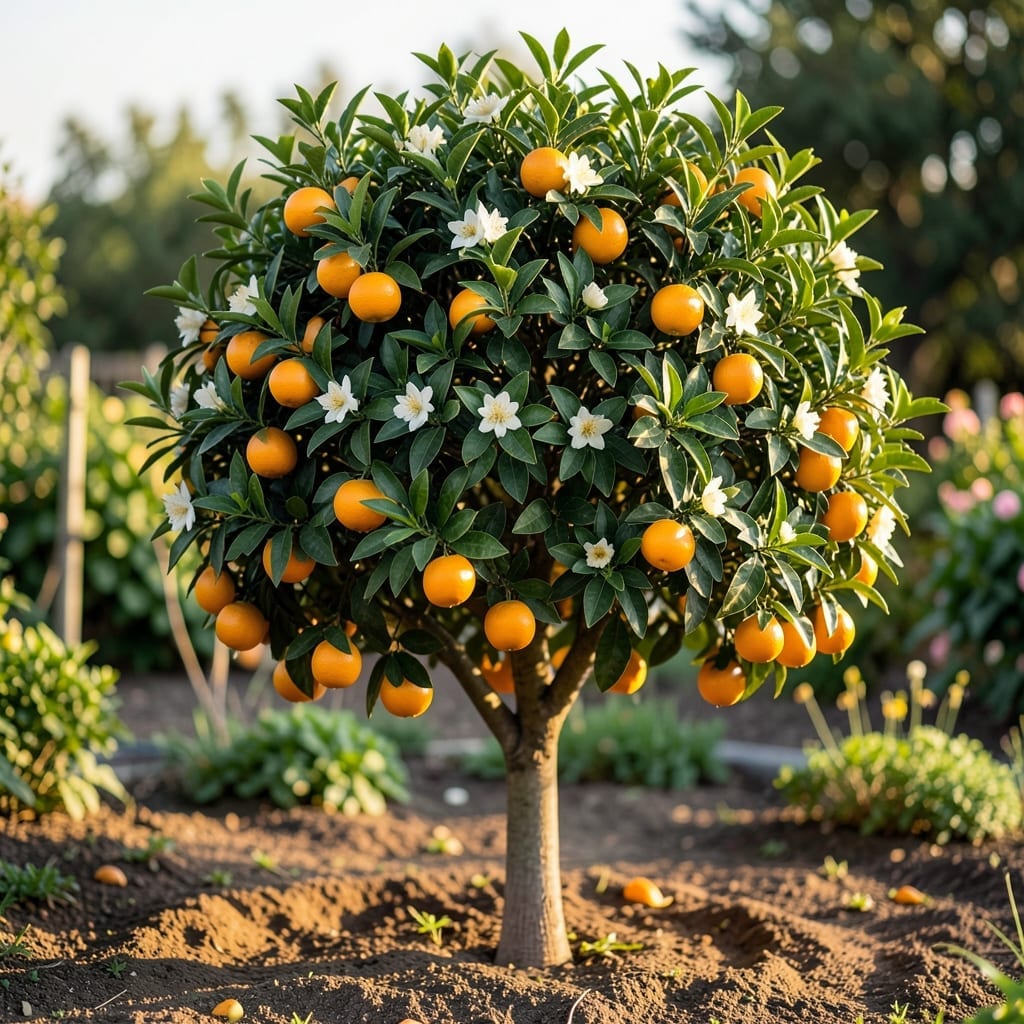
Thinking about adding an Orange Tree 🍊 to your landscape but unsure about space? These citrus beauties can surprise you with their size range.
From compact dwarf varieties perfect for patios to standard trees that reach 20-30 ft tall, there’s an option for every garden. The key is knowing which type fits your space and goals.
Discover how different varieties grow and what factors influence their final height and spread. Let me walk you through the essentials.
When I first started growing orange trees, I was amazed by how much their mature size varies by type. Some stay small enough for container gardening, while others dominate landscapes like full-sized shade trees.
Standard varieties like Navel oranges typically reach 20-30 feet tall with a 15-20 foot spread. But don’t worry—dwarf varieties exist for smaller spaces, usually topping out at 8-12 feet. 🌳
The rootstock plays a huge role in size. Trees grafted onto dwarfing rootstocks stay smaller, while standard rootstocks allow full growth. I’ve seen semi-dwarf varieties hit 12-20 feet—perfect for most backyards.
For container growing, dwarf types like ‘Caledonia’ or ‘Trovita’ are ideal. They max out at 8-12 feet and produce full-sized fruit. Just ensure your pot is at least 20 gallons to support growth.
Climate affects size too. In warmer zones (9-11), trees grow larger. In cooler areas, they may stay 10-15% smaller. I’ve noticed my Valencia orange in Zone 10 hit 22 feet, while a friend’s in Zone 8 stayed at 18 feet. 🌡️
Pruning can control height and spread. Regular canopy thinning keeps trees manageable. I prune mine in late winter to remove dead wood and shape the growth. This also improves air circulation and fruit quality.
Soil quality impacts growth rate. Well-draining soil with organic matter helps trees reach their full potential. I always mix in compost at planting and mulch with wood chips to retain moisture.
Water availability is another factor. Consistent deep watering encourages steady growth. I water my trees deeply once a week, more often in extreme heat. Drought-stressed trees grow slower and may stay smaller. 💧
For small gardens, consider espalier training. This technique lets you grow standard-sized trees flat against a wall or fence. It’s a great way to save space while still enjoying full-sized fruit.
Remember, these are mature sizes. It takes 5-7 years for most orange trees to reach their full height. Be patient—I’ve found the wait is worth it when you’re harvesting juicy, homegrown oranges! 🌿
I’ve learned that orange tree size isn’t just about the variety—it’s shaped by multiple factors. From the rootstock to daily care, each element plays a role in how tall and wide your tree will grow. 🌱
Rootstock selection is the foundation. Dwarfing rootstocks keep trees compact, while standard rootstocks allow full growth. I’ve seen semi-dwarf trees reach 12-20 feet with the right base.
Soil quality makes a big difference. I always amend my planting site with compost and ensure good drainage. Poor soil can stunt growth by 20-30%, while rich soil helps trees reach their maximum size.
Pruning is a powerful tool for size control. I prune my trees in late winter to remove dead branches and shape the canopy. This keeps them at a manageable height and encourages better fruit production. ✂️
Watering affects growth rate. I water my trees deeply once a week, more in hot weather. Consistent moisture helps trees grow steadily, while drought can limit their size.
Container planting naturally restricts size. Even standard varieties stay smaller in pots. I’ve grown a Navel orange in a 25-gallon container that stayed under 10 feet tall. Just ensure proper drainage to avoid root rot. 🪴