
Beautiful Plants For Your Interior
Beautiful Plants For Your Interior
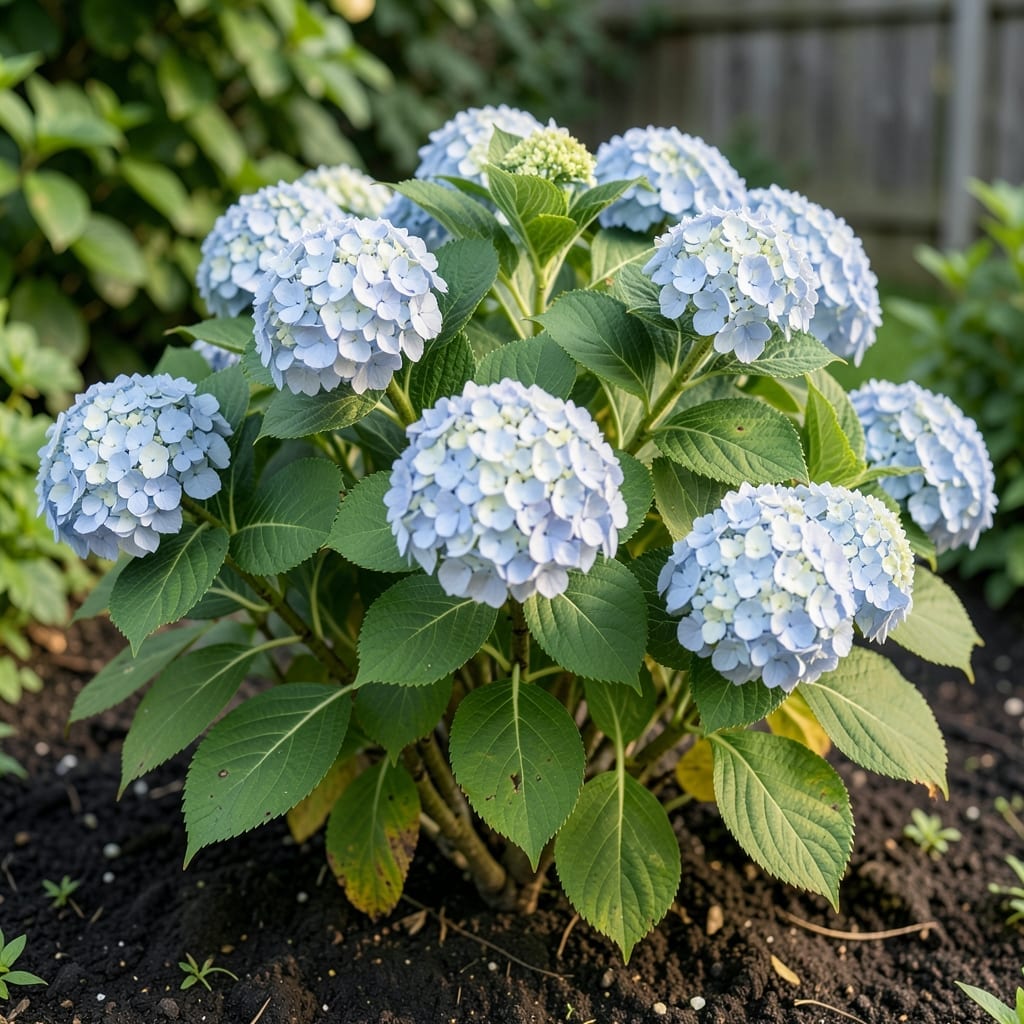
Hydrangeas can transform any garden, but their size might surprise you. From compact 3-foot bushes to towering 8-foot varieties, these beauties adapt to many spaces.
I’ve seen gardeners struggle with placement because they underestimated how big 🌸 Hydrangea can grow. The right variety makes all the difference for your landscape.
Discover how to match these shrubs to your space and keep them thriving. Let’s explore what works best for your garden.


Hydrangeas come in a surprising range of sizes, from compact 2-foot bushes to towering 8-foot giants. The variety you choose dramatically impacts your garden layout and care routine.
I’ve found that bigleaf hydrangeas typically reach 3-6 feet tall and wide, while panicle types can soar to 8 feet or more. Knowing these differences helps prevent overcrowding.
| Variety | Height Range | Spread Range |
|---|---|---|
| Bigleaf | 3-6 ft | 3-6 ft |
| Panicle | 6-8 ft | 4-6 ft |
| Smooth | 3-5 ft | 3-5 ft |
| Oakleaf | 4-6 ft | 4-6 ft |
| Climbing | 30-80 ft | 3-5 ft |
Climbing hydrangeas are the outliers, potentially reaching 80 feet when given a sturdy trellis. These are perfect for vertical gardens or covering large structures.
For smaller spaces, dwarf varieties like ‘Little Lime‘ stay under 3-4 feet tall and wide. They pack big blooms in a compact package, ideal for containers or tight garden beds.
Oakleaf hydrangeas offer a balanced 4-6 feet height and spread. I love their four-season interest, from summer blooms to fall foliage and exfoliating winter bark.
The smooth hydrangea varieties, like ‘Annabelle’, typically reach 3-5 feet in both directions. They’re hardy and reliable, thriving in USDA zones 3-9.
Pruning can significantly affect size. Regular trimming keeps panicle hydrangeas more compact, while minimal pruning lets them reach their full 8-foot potential.
Soil conditions and sunlight also play roles. Rich, moist soil and partial shade encourage vigorous growth, while dry or poor soil may stunt development.
In my experience, climate makes a big difference. In cooler zones, hydrangeas may grow more slowly, while in warmer areas with long growing seasons, they can exceed expected sizes. ☀️
Always check the mature size on the plant tag before purchasing. This simple step prevents future landscaping headaches and ensures your hydrangeas have room to shine. 🌿
Several key elements determine how big your hydrangeas will grow. Soil quality tops the list—rich, well-draining soil encourages robust growth, while poor soil can stunt development.
Sunlight exposure plays a major role too. Most hydrangeas thrive in partial shade, getting 4-6 hours of morning sun. Too much direct afternoon sun can scorch leaves and limit size.
Watering practices affect growth significantly. I recommend deep watering once a week rather than frequent shallow watering. This encourages deep root development and stronger, larger plants.
Pruning techniques can control size. For bigleaf hydrangeas, prune right after flowering to avoid cutting off next year’s buds. Panicle types can be pruned in late winter for size control.
Regional climate differences also impact growth. In warmer zones, hydrangeas may grow larger and faster. Cooler climates might produce slightly smaller plants with slower growth rates.
Finally, variety selection is crucial. Some hydrangeas are naturally compact, while others are bred to stay small. Always check the mature size before planting to match your space. 🌱