
Beautiful Plants For Your Interior
Beautiful Plants For Your Interior
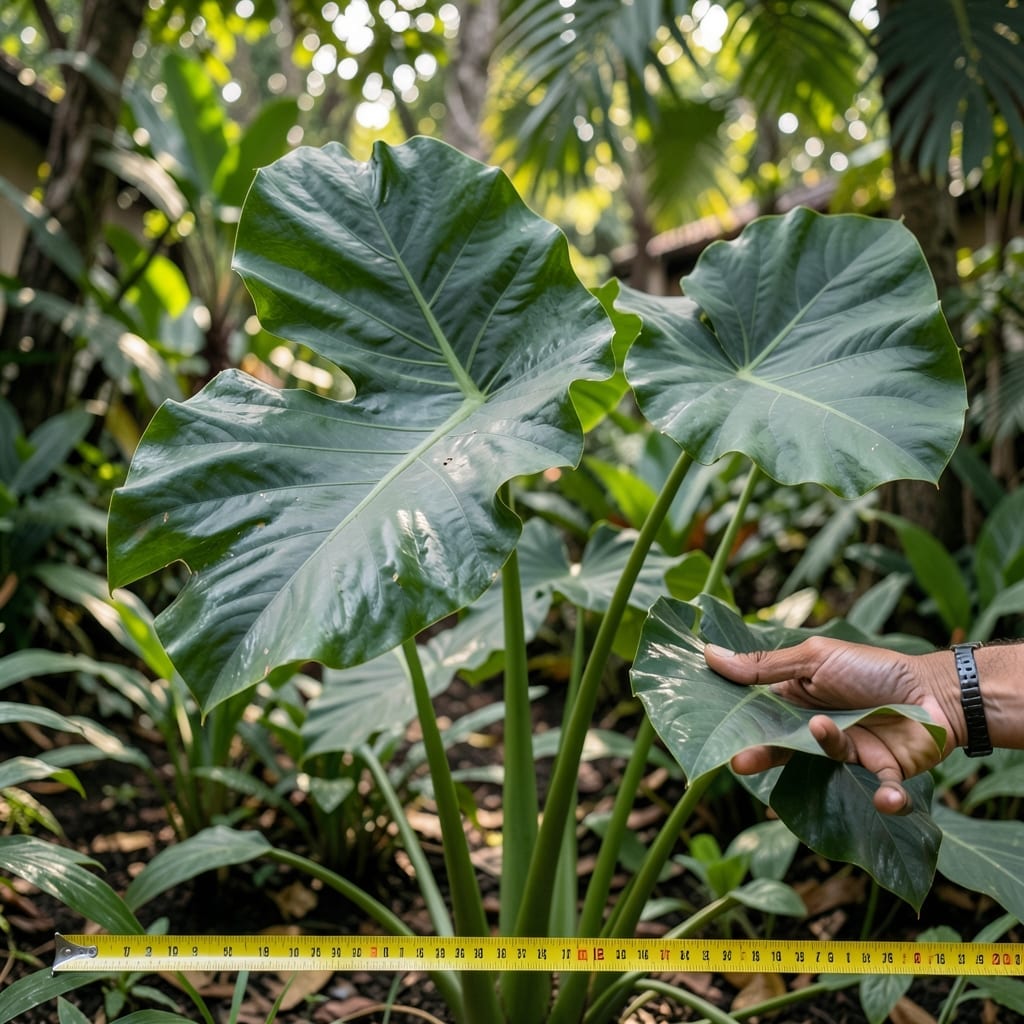
Elephant ears 🌿 are a dramatic addition to any garden, but their impressive size often surprises first-time growers. These tropical plants can transform your landscape with their bold foliage.
Knowing how big they can get helps you plan the perfect garden layout. Whether you’re working with a small patio or a spacious yard, understanding their growth potential is key.
I’ll walk you through the typical size range of these stunning plants and what factors influence their growth. Let’s dive into making your garden truly stand out.
When I first planted elephant ears, I was amazed by how quickly they grew. These tropical beauties can reach impressive sizes, with some varieties towering over gardeners.
Most Colocasia varieties grow 3-6 feet tall with leaves spanning 2-4 feet wide. Their bold foliage creates a dramatic focal point in any garden setting.
| Variety | Height | Leaf Span |
|---|---|---|
| Colocasia esculenta | 3-6 ft | 2-4 ft |
| Alocasia macrorrhiza | 6-10 ft | 3-5 ft |
| Xanthosoma | 4-6 ft | 2-3 ft |
| Dwarf varieties | 1-2 ft | 1-2 ft |
The Alocasia macrorrhiza is the giant of the group, often reaching 10 feet tall in ideal conditions. Its massive leaves can create a jungle-like atmosphere in larger landscapes.
For smaller spaces, dwarf elephant ears stay compact at 1-2 feet. These are perfect for container gardening on patios or balconies where space is limited.
I’ve found that Xanthosoma varieties offer a middle ground, typically growing 4-6 feet tall with slightly smaller leaves than Colocasia. They’re great for adding height without overwhelming a space.
The leaf spread is just as important as height. Some varieties have leaves that can stretch 5 feet wide, so I always recommend giving them plenty of room to show off their full beauty.
In my experience, mature size depends heavily on growing conditions. With rich soil, consistent moisture, and warm temperatures, these plants can reach their maximum potential in just one season.
Remember that container-grown elephant ears will generally stay smaller than those planted in the ground. This makes them more manageable for gardeners with limited space.
🌿In my gardening experience, several key factors determine how big your elephant ears will grow. The most significant is climate—these tropical plants thrive in warm, humid conditions similar to their native habitats.
I’ve noticed that soil quality makes a huge difference. Rich, well-draining soil with plenty of organic matter supports rapid growth and larger leaves. Poor soil often results in stunted plants with smaller foliage.
The amount of sunlight they receive is crucial. While they love bright light, too much direct sun can scorch their leaves. I recommend 4-6 hours of dappled sunlight for optimal growth without damage.
Watering habits directly impact size. These plants are moisture lovers—I water mine deeply 2-3 times weekly in hot weather. Consistently damp (but not soggy) soil helps them reach their full potential.
I’ve found that regular feeding with a balanced fertilizer every 4-6 weeks during the growing season can increase both height and leaf size. The extra nutrients support their rapid growth rate.
Lastly, container size matters for potted plants. I use 20-inch diameter pots for standard varieties to give roots room to expand. Smaller pots will limit overall plant size.
🌿