
Beautiful Plants For Your Interior
Beautiful Plants For Your Interior
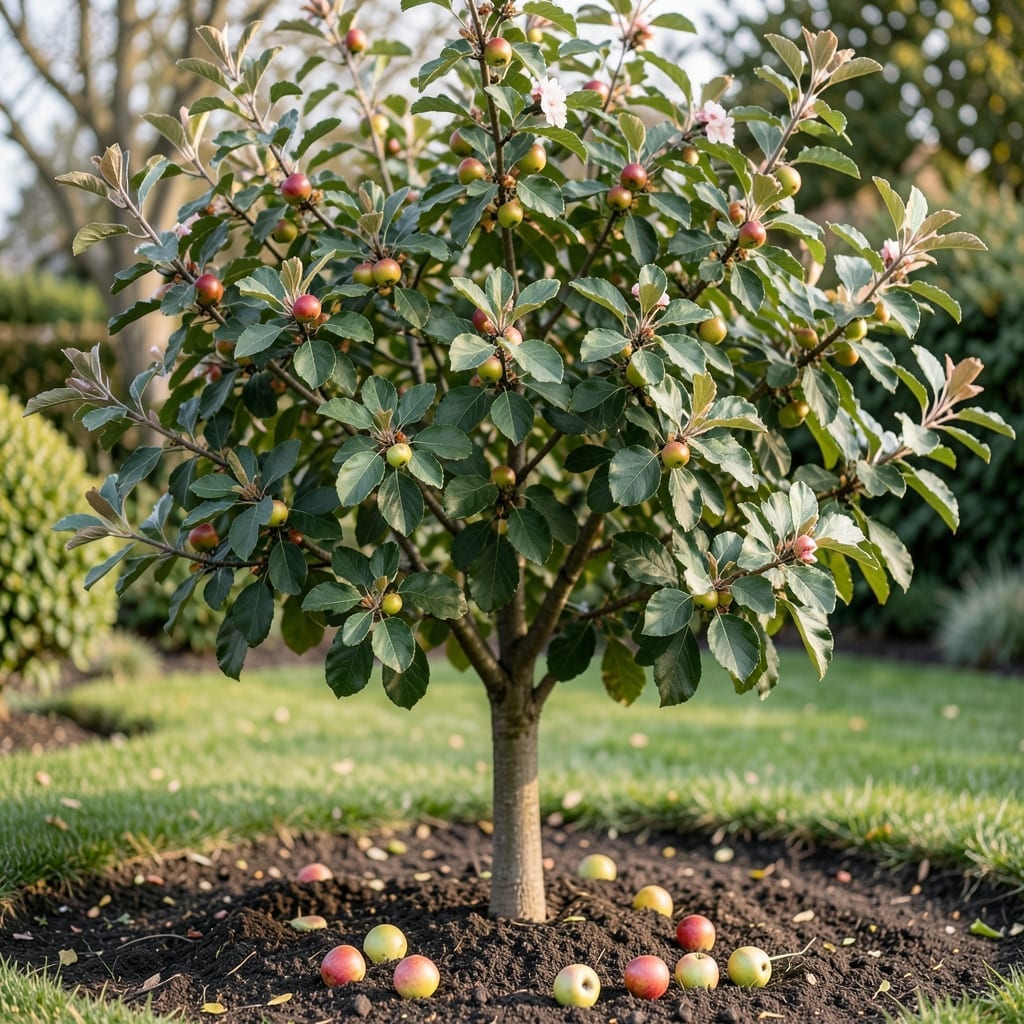
Crab apples may look like tiny versions of their larger cousins, but don’t let their size fool you. These versatile fruits can range dramatically in dimensions.
Understanding the typical size range helps gardeners make better planting decisions. Whether you’re growing them for ornamentation or culinary use, knowing what to expect is key.
The 🍎 Crab Apple often surprises with its variety. Some types stay as small as 1/2 inch in diameter, while others can grow up to 2 inches across.
I’ll walk you through the factors that influence their growth and how to cultivate trees that produce the size you want. Let’s discover what makes these fruits so unique.
If you’ve ever wondered how big crab apples get, the answer depends on the variety. These small fruits typically range from 0.5 to 3 inches in diameter, but some cultivated types can grow larger under ideal conditions. 🌳
Ornamental crab apples, often grown for their blooms, tend to produce smaller fruits around 0.5 to 1.5 inches. In contrast, edible varieties like Dolgo or Centennial can reach 2 to 3 inches when mature and well-cared for.
| Variety | Typical Diameter | Primary Use |
|---|---|---|
| Dolgo | 1.5-2.5 inches | Edible |
| Centennial | 1.5-2 inches | Edible/Ornamental |
| Chestnut | 2-3 inches | Edible |
| Sargent | 0.5-1 inch | Ornamental |
| Adams | 1-1.5 inches | Ornamental |
The Chestnut crab apple is one of the largest, often reaching 3 inches in diameter when fully ripe. This variety is prized for its sweet-tart flavor and is excellent for fresh eating or preserves. ✂️
For ornamental purposes, varieties like Sargent or Adams produce tiny fruits that add visual appeal without the mess of larger dropping apples. These are ideal for small gardens or urban landscapes.
I’ve found that soil quality and water availability play a huge role in fruit size. Trees planted in rich, well-draining soil with consistent moisture tend to produce larger crab apples than those in poor conditions.
Another factor is pollination. Crab apple trees that are cross-pollinated with compatible varieties often yield bigger and more abundant fruit. Be sure to plant at least two different types for the best results. 🌱
If you’re aiming for maximum size, consider pruning your tree to improve air circulation and sunlight penetration. This not only promotes healthier growth but also encourages the tree to direct more energy into fruit development.
Remember, while crab apple size varies, the average diameter for most common varieties falls between 1 and 2 inches. This makes them perfect for jams, jellies, or simply enjoying fresh off the tree.
In my experience, dwarf varieties tend to produce smaller fruits, but they’re easier to manage in limited spaces. If you have the room, standard-sized trees will give you the largest harvest. 🌿
Crab apple size varies based on several environmental factors and cultural practices. The most significant influences include soil quality, water availability, and sunlight exposure. These elements directly impact fruit development.
In my experience, trees planted in nutrient-rich soil with consistent moisture produce larger fruits. Poor drainage or compacted soil can stunt growth and reduce fruit size significantly.
Proper pruning practices help direct the tree’s energy toward fruit production. I recommend thinning fruit clusters in early summer to allow remaining fruits to grow larger.
Climate conditions play a crucial role too. Crab apples in cooler climates often produce smaller fruits than those in warmer regions. Frost damage can also limit fruit development.
The tree’s age and health matter greatly. Mature trees (5+ years) typically produce larger fruits than young saplings. Regular fertilization with balanced nutrients supports optimal growth.
Lastly, the specific variety sets the genetic ceiling. Some cultivars are bred for small ornamental fruits, while others are selected for larger culinary use. Choose according to your needs.
☀️