
Beautiful Plants For Your Interior
Beautiful Plants For Your Interior
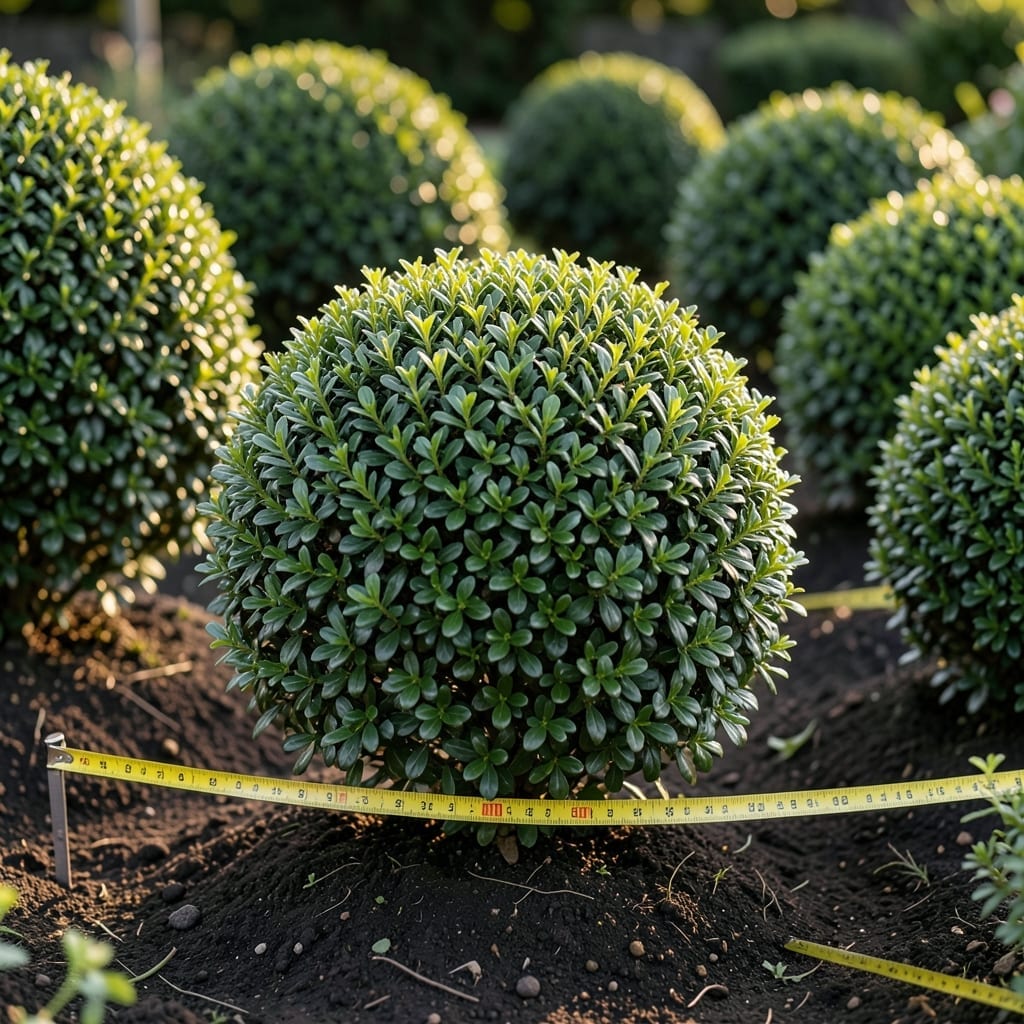
Boxwoods are a gardener’s favorite for their versatility, but their mature size can vary dramatically by variety. This makes proper planning essential for your landscape.
Whether you’re designing a formal hedge or a low-maintenance border, knowing how big these evergreens grow ensures they thrive without overcrowding. The 🌿 Boxwood can range from dwarf types to towering shrubs.
I’ve seen firsthand how the wrong spacing or variety choice can create headaches down the road. With the right knowledge, you can avoid these common mistakes entirely.
Let me walk you through what to expect from different Boxwood varieties and how to space them for optimal growth in your garden.

When I plan a landscape with boxwoods, the first thing I consider is their mature size. These evergreens can range from tiny dwarf varieties to towering hedge plants, so matching the cultivar to your space is key.
For example, English boxwood typically stays compact at 2-4 feet tall, while American boxwood can soar to 15-20 feet if left unpruned. Growth rates also vary, with some adding 6 inches per year and others growing more slowly.
| Variety | Height | Spread | Growth Rate |
|---|---|---|---|
| English | 2-4 ft | 2-4 ft | Slow |
| Dwarf Japanese | 1-2 ft | 1-2 ft | Very Slow |
| American | 15-20 ft | 10-15 ft | Moderate |
| Green Mountain | 4-6 ft | 3-4 ft | Slow to Moderate |
| Winter Gem | 4-6 ft | 4-6 ft | Moderate |
I always remind gardeners that semi-dwarf varieties like Green Mountain are perfect for mid-height hedges at about 4-6 feet tall. Their upright habit makes them ideal for formal gardens or property borders.
For low borders or container gardening, I love dwarf Japanese boxwood. It stays under 2 feet tall and responds beautifully to pruning. This makes it great for topiary or edging pathways.
The growth rate of boxwoods depends on soil quality, water availability, and sunlight exposure. In my experience, plants in full sun with consistent moisture grow the fastest, while those in deep shade may grow more slowly.
I’ve found that American boxwood is the most vigorous grower, often adding 12 inches per year under ideal conditions. This makes it excellent for tall privacy screens but requires regular pruning to maintain shape.
For cold climates, I recommend Winter Gem or Green Velvet varieties. These are hardy to USDA zone 4 and maintain their rich green color year-round, reaching 4-6 feet at maturity.
Remember that pruning plays a huge role in controlling size. Even large varieties can be kept smaller with annual trimming. I suggest pruning in late winter before new growth starts.
When selecting boxwoods, I always check the mature size on the plant tag and compare it to my landscape plan. This prevents overcrowding and ensures each plant has enough space to thrive 🌿
Proper spacing ensures your boxwoods grow healthily without overcrowding. I always recommend measuring the mature width of your chosen variety first. For example, dwarf boxwoods like ‘Suffruticosa’ need 2-3 feet apart.
For standard boxwoods, such as ‘Green Velvet’, plan for 3-4 feet between plants. This allows enough room for air circulation and reduces disease risk.
If you’re creating a formal hedge, you can space plants slightly closer. I often plant them 1-2 feet closer than their mature width for a dense look.
For standalone specimens, give them extra room to showcase their natural shape. A 6-foot diameter space works well for most larger varieties.
Remember, pruning can help control size, but proper spacing from the start saves you years of maintenance.
Always check the specific cultivar tag for exact dimensions. This small step ensures your boxwoods thrive in their designated space ✂️