
Beautiful Plants For Your Interior
Beautiful Plants For Your Interior
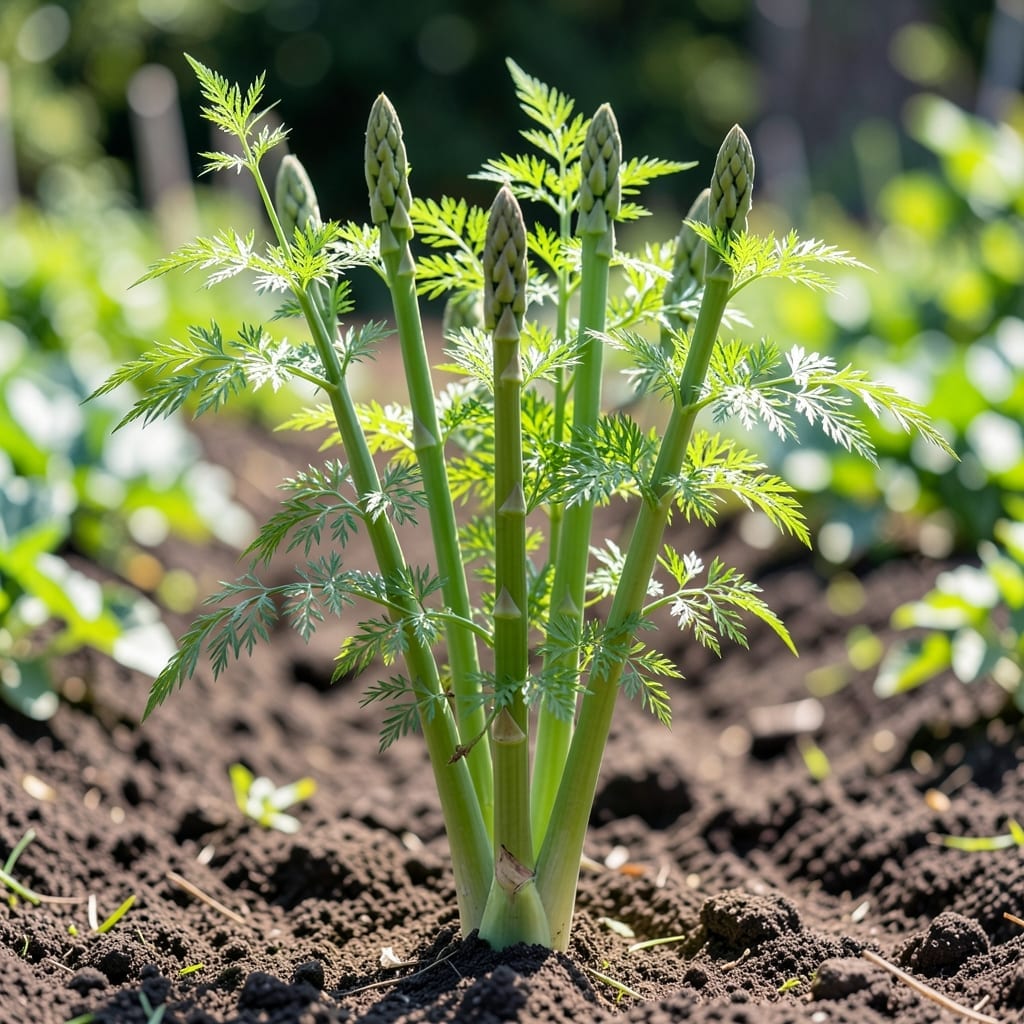
I remember the first time I saw a mature asparagus bed—5 feet tall with ferns spreading wide. It completely changed how I viewed this humble vegetable. 🥬 Asparagus isn’t just a garden staple; it’s a towering plant that can transform your landscape.
What starts as a modest crown can grow into an impressive specimen under the right conditions. The difference between a struggling patch and a thriving one often comes down to simple care techniques that anyone can master.
If you’ve ever wondered just how large your asparagus can get, you’re about to discover the surprising potential. With proper soil, sunlight, and patience, you might be amazed at what sprouts from your garden.
Let me walk you through what to expect and how to create the ideal environment for maximum growth. The results could redefine your gardening expectations.


If you’ve ever wondered how tall asparagus can grow, you’ll be impressed. Mature plants typically reach 4 to 5 feet in height, though some varieties can stretch up to 8 feet under ideal conditions. This perennial vegetable grows taller each year as its crown system establishes. 🌱
In the first year, expect 1-2 feet of growth as the plant focuses on root development. By the second year, it can double in height, and by the third year, it often hits its full potential. The spread of the plant can also reach 2-3 feet wide, so spacing is key.
| Growth Stage | Height | Key Focus |
|---|---|---|
| Year 1 | 1-2 ft | Root establishment |
| Year 2 | 3-4 ft | Foliage growth |
| Year 3+ | 4-8 ft | Full maturity |
The maximum height of asparagus depends on the variety you plant. Standard varieties like ‘Mary Washington’ or ‘Jersey Giant’ can reach 5-6 feet, while dwarf types stay compact at 2-3 feet. The tallest varieties, such as ‘Purple Passion’, may exceed 7 feet in optimal conditions. ☀️
Soil quality plays a huge role. Asparagus thrives in well-draining, fertile soil with a pH of 6.5-7.5. Adding compost or aged manure before planting gives the crowns a nutrient boost. I always recommend testing your soil to ensure it’s not too acidic or alkaline.
Sunlight is another critical factor. Asparagus needs full sun, meaning at least 6-8 hours of direct sunlight daily. Without enough light, the plants will grow taller but weaker, with thin, spindly spears. If your garden has partial shade, choose a sunnier spot for planting.
Watering consistently is key. Asparagus has deep roots, so it benefits from deep watering sessions. Aim for 1-2 inches of water per week, especially during dry spells. Avoid overhead watering to prevent fungal diseases, which can stunt growth.
Spacing your plants properly ensures they have room to grow. Plant crowns 12-18 inches apart in trenches 6-8 inches deep. This gives the roots space to expand and the foliage room to spread without competing for light or nutrients.
If you’re growing asparagus for the first time, be patient. It takes 2-3 years for plants to mature enough for a full harvest. In the meantime, focus on building strong roots and healthy foliage. The wait is worth it—once established, asparagus can produce for 15-20 years or more! 🌿
Finally, remember that pruning and maintenance help maximize height. Remove any dead or yellowing fronds in late fall to encourage new growth. With the right care, your asparagus plants will reward you with tall, vigorous spears year after year.
To get your asparagus plants to reach their full 4-5 foot potential, start with rich, well-draining soil amended with compost. This gives roots room to spread and access to nutrients.
I always plant crowns 12-18 inches apart in 6-8 inch deep trenches to prevent crowding as they mature. Proper spacing is non-negotiable for healthy growth.
For watering, I use a drip irrigation system to deliver moisture directly to the roots. Morning watering prevents evaporation and fungal issues.
A 3-inch mulch layer helps retain moisture and suppress weeds. I recommend organic mulches like straw or shredded leaves for best results.
Don’t overlook annual fertilization. I feed my asparagus beds in early spring and again after the final harvest to replenish nutrients.
Remember, asparagus is a marathon plant – it can take 2-3 years to reach full production. But with consistent care, you’ll be rewarded with towering ferns and abundant harvests for decades.
🌱