
Beautiful Plants For Your Interior
Beautiful Plants For Your Interior
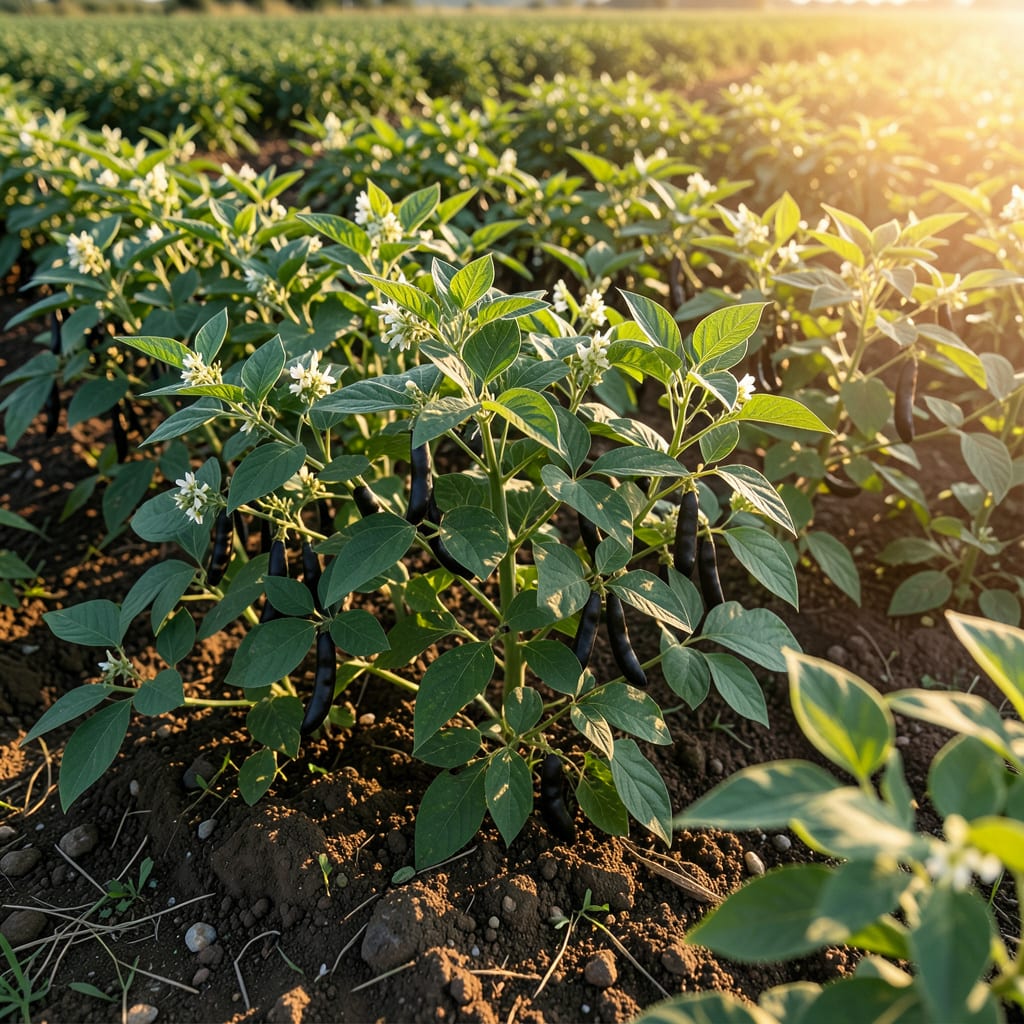
I started growing black beans after realizing how foolproof they are in warm climates. These plants thrive with minimal fuss, producing dark, glossy pods that practically beg to be picked.
From seed to harvest takes about 90-100 days, with plants that tolerate heat better than most vegetables. You’ll get a steady supply of beans that store beautifully for winter cooking.
📚 In This Guide
Here’s the method I rely on for consistent, bountiful harvests every season.
Choose a location with full sun exposure, as black beans require at least 6-8 hours of direct sunlight daily for optimal growth. The soil should be well-draining with a pH between 6.0 and 7.0—test with a kit if unsure. I always work in a 2-3 inch layer of compost to improve fertility and structure.
Loosen the soil to a depth of 8-12 inches using a garden fork or tiller, breaking up any large clumps. This encourages root penetration and prevents waterlogging. Avoid working wet soil, as it can compact and harm drainage.
Sow seeds directly into the soil after the last frost date when soil temperatures reach at least 60°F. Plant each seed 1-1.5 inches deep and space them 4-6 inches apart in rows that are 18-24 inches apart. This spacing allows for adequate airflow and reduces disease risk.
I plant seeds in groups of 2-3, thinning to the strongest seedling once they sprout. Water the area lightly after planting to settle the soil around the seeds. Too much water at this stage can cause them to rot before germination.
Water the plants deeply once or twice a week, ensuring the soil stays evenly moist but not waterlogged. You’ll know it’s right when the top 1 inch of soil feels dry to the touch. Black beans are somewhat drought-tolerant once established, but consistent moisture is key during flowering and pod development.
Maintain full sun exposure throughout the growing season. If your garden has partial shade, prioritize morning sun, as it’s less intense and allows the plants to dry off, reducing fungal risks. Watch for yellowing leaves, which can signal overwatering or nutrient deficiencies.
Black beans are bush-type plants, so they typically don’t need staking, but I keep an eye out for lodging (stems bending or breaking) during heavy rain or wind. If needed, use a small trellis or stakes for support. Thin plants if they appear crowded—overcrowding leads to poor airflow and increased disease susceptibility.
You’ll see the first true leaves appear within 10-14 days of germination. Once the plants reach 6-8 inches tall, they’ll begin to flower, which is your cue to ensure consistent watering and watch for pests like aphids.
Black beans are ready to harvest when the pods turn yellow or brown and the seeds inside rattle when shaken. This typically occurs 80-100 days after planting, depending on the variety. Pick the pods by hand, taking care not to damage the plant.
For fresh use, harvest when pods are still green but plump. For dried beans, leave the pods on the plant until they’re fully mature and dry. Thresh the beans by gently beating the pods with a stick or rubbing them between your hands. Store dried beans in a cool, dry place in an airtight container.
These insights will help you avoid pitfalls and maximize your harvest.
Soil Preparation: In Step 1, that 8-12 inch soil depth isn’t arbitrary—it gives roots room to establish while preventing waterlogging. I learned the hard way that shallow soil leads to stunted plants. Also, test your pH between 6.0 and 7.0; black beans won’t thrive outside this range.
Planting Precision: The 1-1.5 inch depth in Step 2 is critical. Too shallow and seeds dry out; too deep and they struggle to emerge. I plant in groups of 2-3 as mentioned, but always thin to the strongest seedling—crowding causes weak plants with poor yields.
Watering Wisdom: Step 3’s guidance about the top 1 inch of soil feeling dry is your best moisture meter. Black beans hate soggy roots, especially during germination. I water deeply once a week unless we’ve had rain, then adjust based on that 1-inch test.
Timing Matters: Those 80-100 days to harvest in Step 5 can vary by variety and climate. Start checking for maturity at day 80 by shaking pods—if you hear that rattle, they’re ready. Don’t wait too long or pods may split open on the plant.
Black beans typically mature in 90–120 days, depending on the variety and growing conditions. Warm soil (above 60°F) speeds up germination, while cooler climates may extend the timeline. Harvest when pods turn yellow or brown and seeds rattle inside.
Yes! Choose a deep container (at least 12 inches) with good drainage. Dwarf or bush varieties like ‘Black Turtle’ work best. Ensure full sun (6–8 hours) and consistent moisture. Stake taller plants for support.
Black beans thrive in well-draining, loamy soil with a pH of 6.0–7.0. Enrich with compost before planting. Avoid heavy clay or waterlogged soil, which can stunt growth or cause root rot.
Lack of flowers often means insufficient sunlight, over-fertilization (especially nitrogen), or heat stress. Ensure 6+ hours of sun, reduce high-nitrogen fertilizers, and water consistently during dry spells.
