
Beautiful Plants For Your Interior
Beautiful Plants For Your Interior
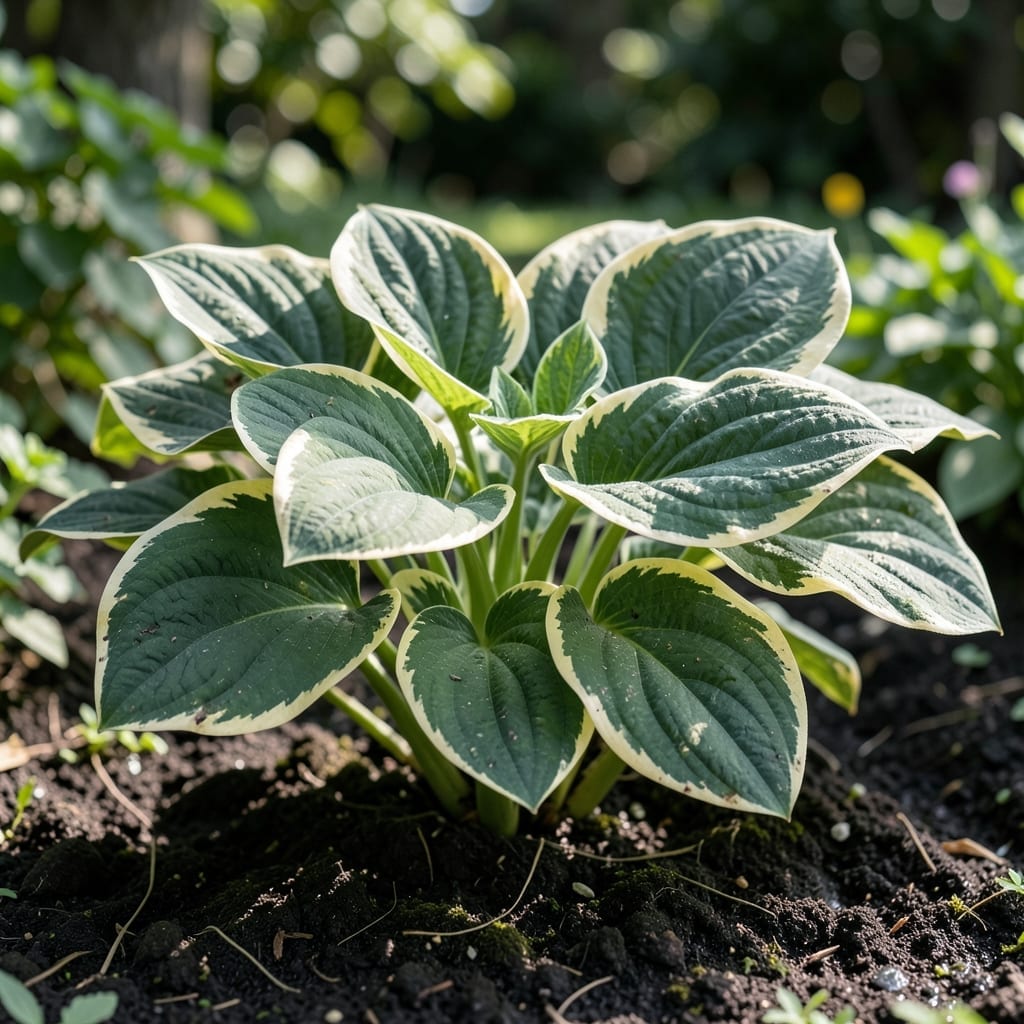
Hostas are beloved for their lush foliage and shade tolerance, but getting their sun requirements right is the key to vibrant, healthy 🌿 plants.
Too much or too little light can spell trouble for these garden favorites. I’ve seen firsthand how the wrong exposure turns beautiful leaves into sad, scorched messes.
Whether you’re new to gardening or a seasoned pro, understanding light needs by variety makes all the difference. Some hostas thrive with a bit more sun, while others demand deep shade.
Discover how to match your hostas with their ideal conditions and watch them flourish like never before.

Hostas are often called the queens of shade gardens, but not all varieties thrive in the same light conditions. I’ve learned that blue hostas need more shade to maintain their stunning color, while gold hostas can handle a bit more sun.
Each hosta type has its own sunlight sweet spot. Green hostas are the most adaptable, but even they have limits. Getting this right means the difference between vibrant foliage and struggling plants.🌿
| Hosta Variety | Ideal Sun Exposure | Max Direct Sun |
|---|---|---|
| Blue Hostas | Full to partial shade | 1-2 hours |
| Green Hostas | Partial shade | 3-4 hours |
| Variegated Hostas | Partial shade | 2-3 hours |
| Gold Hostas | Partial sun | 4-5 hours |
I always recommend morning sun for hostas because it’s gentler and cooler than the harsh afternoon rays. Even gold hostas, which tolerate more sun, can scorch if exposed to intense midday light without protection.
Blue hostas are particularly sensitive. Their waxy blue coating can fade or even burn if they get too much direct sunlight. I’ve seen this happen in my own garden when I misjudged their placement.🌱
For variegated varieties, like the popular ‘Francee’ or ‘Patriot’, the key is balance. Too much sun can bleach the white edges, while too little can cause the green centers to dominate. Aim for dappled shade for best results.
Green hostas are the most forgiving. They can handle 3-4 hours of sun, especially if the soil stays consistently moist. But even these tough varieties will struggle in full sun without extra care.
If you’re unsure about your garden’s light, try this: Observe the sun patterns for a day. Note where the shade falls and for how long. This simple step can save you from costly mistakes.☀️
Another tip: Seasonal changes matter. In spring and fall, the sun is less intense, so hostas can handle a bit more exposure. But in summer’s peak, even sun-tolerant varieties may need extra shade or mulch to protect their roots.
Finally, remember that soil moisture and sun exposure go hand in hand. Hostas in sunnier spots will need more frequent watering to prevent stress. Keep the soil rich and well-draining for the best results.
I’ve seen many gardeners struggle with hosta sun requirements because the signs of stress aren’t always obvious at first. Scorched leaves, faded colors, or leggy growth are your plant’s way of crying for help. Catching these early saves your hostas from long-term damage.
Too much sun often causes brown leaf edges or bleached spots, while too little leads to weak stems and sparse foliage. These symptoms differ by variety, so knowing your hosta type helps you adjust care quickly. ☀️
⚠️ Watch For These Red Flags
In my experience, morning sun is safest for most hostas. Even variegated varieties can scorch under harsh afternoon rays. If you notice leaf discoloration, try shifting pots or adding shade cloth for protection.
Blue hostas are especially sun-sensitive—their waxy coating can melt in intense light. I always place mine under tree canopies or on the north side of buildings where they get gentle, filtered light.
For golden hostas, a bit more sun brings out their vibrant hues, but I limit it to 3-4 hours max. Any longer and the leaves lose their luster. It’s all about finding that perfect balance for your specific variety.
Remember, seasonal changes affect sun exposure too. What works in spring might need adjustment by summer. I check my hostas weekly and move them as the sun’s angle shifts through the seasons. 🌿