
Beautiful Plants For Your Interior
Beautiful Plants For Your Interior
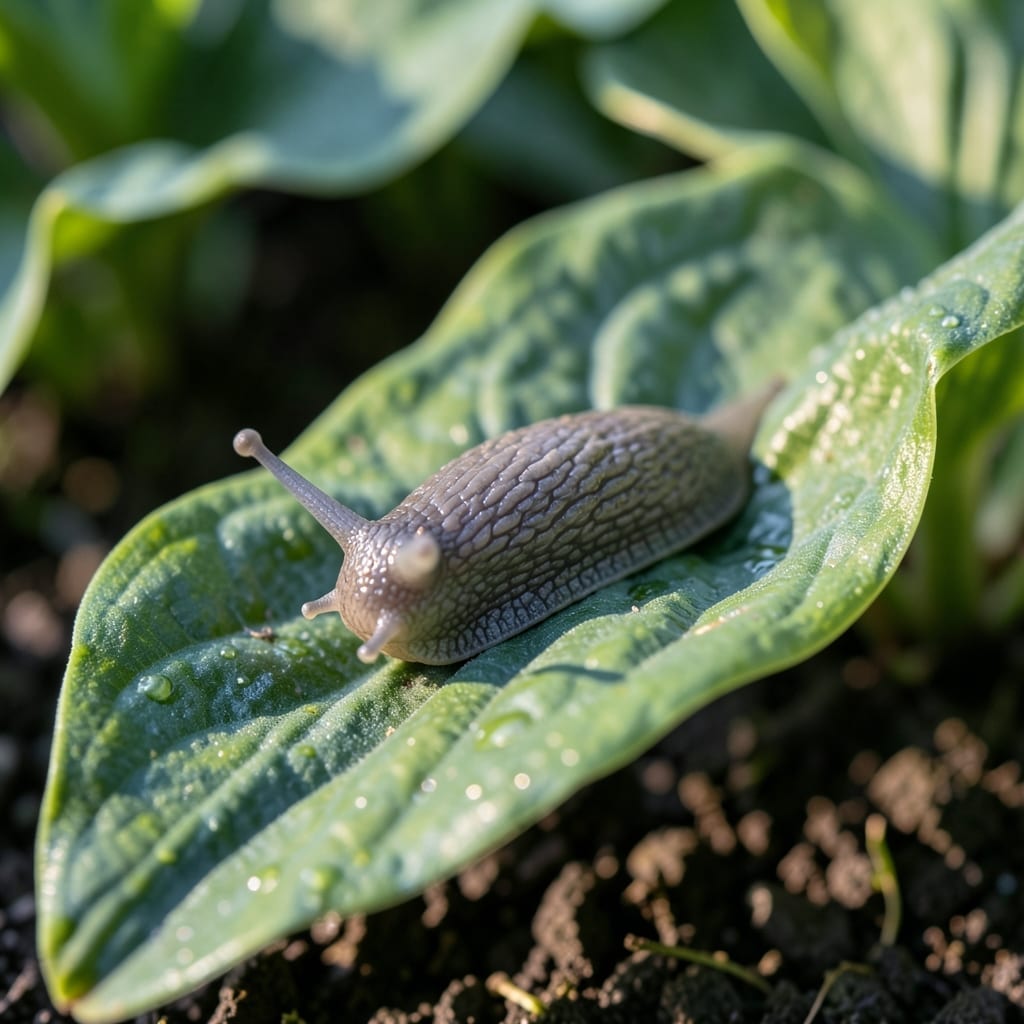
I lost half my hostas to slugs last summer before realizing the solution was simpler than I thought. Nighttime handpicking stops the damage immediately—no fancy equipment required.
Here’s the thing—slugs do their worst damage after dark when the soil is cool and damp. A flashlight, a bucket of soapy water, and 10 minutes of patience can remove dozens before they lay more eggs.
You’ll see the difference by morning: no more ragged edges on your hosta leaves. The plants recover quickly once the slug population drops, and your garden stays lush without harsh chemicals.
Works best on warm, humid nights when slugs are most active. This method is free, effective, and gives you instant results.
Slugs are naturally drawn to hostas for several biological and environmental reasons. Understanding these factors helps you disrupt their lifecycle and protect your garden more effectively.
Hostas thrive in shaded, moist environments—conditions that slugs also love. Their tender, water-rich leaves are easy for slugs to rasp with their radula (a tongue-like organ covered in tiny teeth). The higher the humidity, the more active slugs become, especially at night when evaporation is minimal.
Slugs are nocturnal to avoid desiccation from sunlight. Hostas, often planted in partial to full shade, provide the perfect dark, cool habitat. Without natural predators like birds or ground beetles active at night, slugs feed undisturbed, leading to rapid defoliation.
Hostas are packed with nutrients, including nitrogen and sugars, which slugs crave for growth and reproduction. Studies show slugs can detect these compounds from several feet away, using chemoreceptors on their antennae. Over-fertilized hostas (especially with nitrogen-heavy blends) may unintentionally boost slug populations by making plants even more appealing.
Unlike plants with hairy, waxy, or tough leaves, hostas offer no physical deterrents. Slugs glide effortlessly over smooth surfaces, secreting mucus to reduce friction. Mulch, dense plantings, or debris near hostas also create hiding spots, allowing slugs to stay close to their food source.
Slugs can wreak havoc on your hostas, but these targeted solutions will help you reclaim your garden. Below, we break down fixes by cause, along with prevention tips to keep these pests at bay.
Slugs are most active at night, making this the perfect time to remove them manually. Grab a flashlight and a pair of gloves, then check under leaves and near the soil. Drop the slugs into a bucket of soapy water to dispose of them. Prevention tip: Repeat this every few nights during wet weather to keep their numbers low.
Slugs are attracted to beer, making it an effective bait. Bury a shallow container (like a yogurt cup) in the soil near your hostas and fill it with beer. The slugs will crawl in and drown. Prevention tip: Refresh the beer every 2–3 days and place traps every few feet for best results.
Create a protective ring around your hostas using materials slugs avoid. Sprinkle diatomaceous earth, crushed eggshells, or copper tape around the base of plants. These create a sharp or uncomfortable surface that slugs won’t cross. Prevention tip: Reapply barriers after rain, as moisture can reduce their effectiveness.
Attract slug-eating creatures like birds, frogs, and ground beetles to your garden. Install a birdbath, add a small pond, or leave some leaf litter to provide habitat. Prevention tip: Avoid chemical pesticides, as they can harm these helpful predators.
💡 Pro tip: Combine multiple methods for the best results. For example, use beer traps and natural barriers to tackle slugs from all angles!
Go out 1-2 hours after sunset with a flashlight. Slugs are most active on warm, humid nights when soil is damp.
Refresh the beer every 2-3 days or after rain. Slugs lose interest in stale bait, and fresh beer works best.
Yes! Caffeine is toxic to slugs. Sprinkle used grounds in a 1-inch ring around plants, but reapply after heavy rain.
Avoid salt—it harms soil and plants. Use iron phosphate baits instead for a pet-safe solution.