
Beautiful Plants For Your Interior
Beautiful Plants For Your Interior
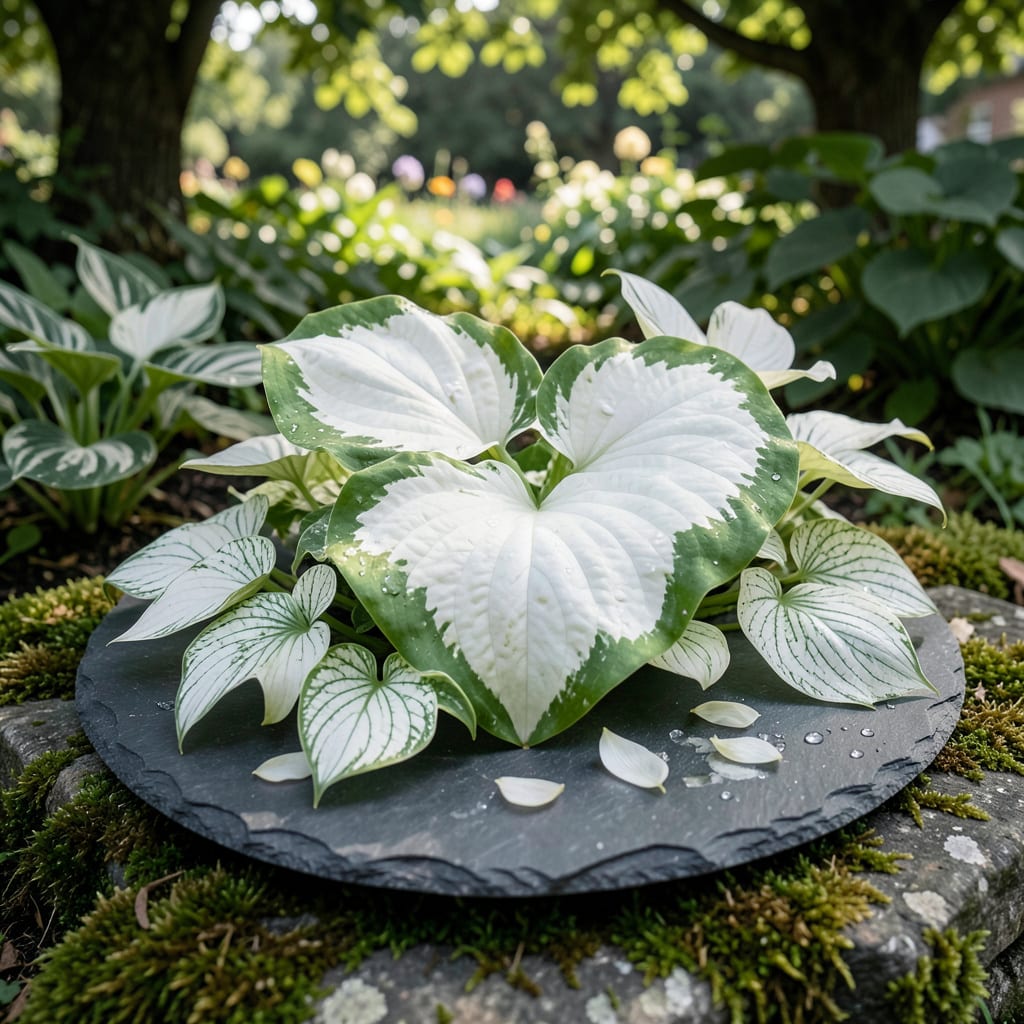
White hosta leaves caught me off guard last summer. One week they were lush and green, the next they looked bleached like old jeans left in the sun too long.
Turns out it’s usually one of three culprits: too much direct sunlight, a nutrient imbalance, or a sneaky pest like spider mites. I’ve dealt with all of them, and the fix is simpler than you’d think.
You can reverse the damage with shade adjustments, a soil test, or a gentle spray of water. The key is acting fast before the plant’s health spirals.
Prevention is even easier—just give them the right conditions from the start and watch them bounce back stronger than ever.
Hosta leaves turning white can be alarming, but understanding the root causes helps you address the issue effectively. Below are the most common reasons behind this discoloration, each with actionable insights.
Hostas thrive in shade, and prolonged exposure to intense sunlight can cause chlorophyll breakdown. This process, called photooxidation, leads to white or pale patches as the plant’s natural pigments degrade. If your hostas are in direct afternoon sun, especially in hot climates, this is likely the culprit. Solution: Relocate them to a shadier spot or use shade cloth.
Erysiphe or Podosphaera fungi can coat hosta leaves in a white, powdery film, blocking light absorption. These pathogens thrive in high humidity and poor air circulation. Left untreated, they weaken the plant and spread to nearby foliage. Solution: Improve airflow, avoid overhead watering, and apply fungicides like neem oil.
White leaves may signal chlorosis, often due to iron or magnesium deficiency. Iron deficiency causes interveinal chlorosis (white between veins), while magnesium deficiency leads to yellowing that progresses to white. Test your soil—hostas prefer a pH of 6.0–7.5. Solution: Amend with chelated iron or Epsom salt (magnesium sulfate).
Sap-sucking pests like spider mites or scale insects drain nutrients, causing stippling or white webbing. Check leaf undersides for tiny pests or sticky residue (honeydew). Solution: Blast leaves with water or use insecticidal soap.
If your hosta leaves are turning white, don’t panic—there are clear fixes for each cause. Below are practical solutions to restore your plant’s health, along with prevention tips to keep the problem from returning.
Move your hosta to a shadier spot immediately, especially during peak afternoon sun. Ideal locations receive morning sun and afternoon shade or dappled light under trees. If transplanting isn’t an option, use 30-50% shade cloth to filter harsh light. Water deeply at the base in the early morning to help recovery.
Prevention: Plant hostas in north- or east-facing beds, and mulch with 2-3 inches of organic matter to retain soil moisture.
Test your soil with a home kit or send a sample to your local extension office. If nitrogen or iron is lacking, apply a balanced, slow-release fertilizer (10-10-10) or a chelated iron supplement. For quick fixes, use a liquid foliar spray with micronutrients.
Prevention: Amend soil annually with compost or well-rotted manure to maintain nutrient levels. Avoid over-fertilizing, which can burn roots.
Remove affected leaves and discard them (do not compost). Treat remaining foliage with a baking soda solution (1 tsp baking soda + 1 quart water + a few drops of dish soap) or neem oil spray. Apply in the early morning to allow leaves to dry quickly.
Prevention: Space plants 18-24 inches apart for airflow, and water at the base to keep leaves dry. Choose mildew-resistant hosta varieties like ‘Halcyon’ or ‘Blue Angel’.
Check soil moisture with your finger—only water if the top inch is dry. If the soil is soggy, improve drainage by mixing in perlite or coarse sand. For potted hostas, ensure containers have drainage holes and elevate them to prevent waterlogging.
Prevention: Use a well-draining soil mix (e.g., 50% garden soil, 30% compost, 20% perlite) and avoid saucers that trap water.
With these targeted fixes, your hostas should regain their lush, green color in no time! 🌿
No, excessive shade typically causes yellowing, not white discoloration. White leaves usually indicate sun scorch, fungal issues, or nutrient deficiencies.
With proper care, new healthy growth can appear in 2-4 weeks. Remove damaged leaves and address the root cause immediately for best results.
A 10-10-10 balanced fertilizer works well, applied in early spring. For iron deficiency, use chelated iron supplements. Always follow package instructions.
Yes, trim affected leaves at the base to prevent further stress. This redirects energy to healthy growth and improves appearance.
