
Beautiful Plants For Your Interior
Beautiful Plants For Your Interior
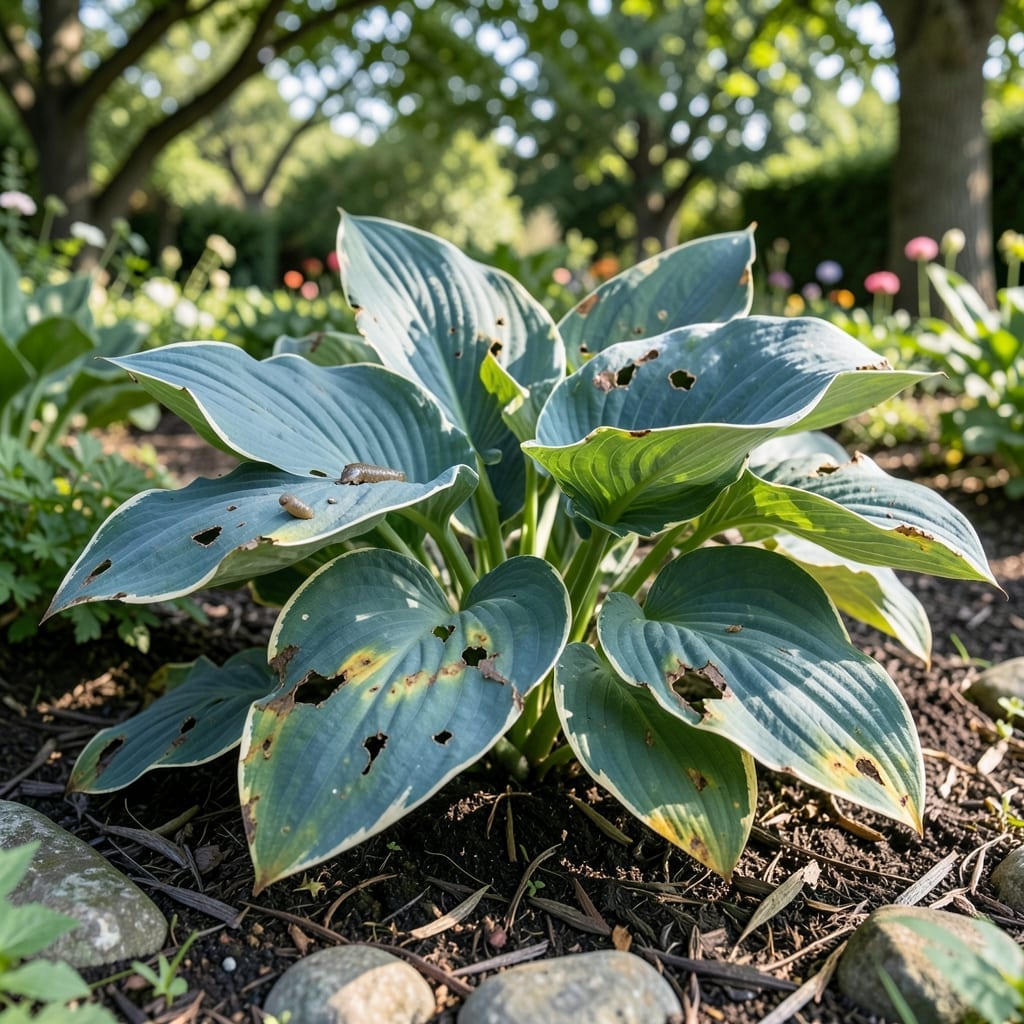
Waking up to shredded hosta leaves ruins any gardener’s morning. I’ve lost entire clumps overnight to these silent invaders, and the frustration runs deep.
The culprits aren’t just slugs—deer, rabbits, and even hail can leave similar damage. But slugs are the overnight destroyers, turning lush foliage into lace while you sleep.
Here’s the thing—you don’t need expensive sprays or fancy traps. A 30-second barrier of copper tape or crushed eggshells stops them cold.
Your hostas will recover faster than you think, pushing new growth within 1-2 weeks once protected. No more morning heartbreak.
Hostas are beloved for their lush foliage, but their leaves can fall victim to several environmental and biological stressors. Understanding the root causes helps you target solutions effectively.
These mollusks are the #1 culprit behind irregular, ragged holes in hosta leaves. They feed at night, leaving behind silvery slime trails. Their rasping mouths scrape tissue, creating uneven edges and large gaps, especially in young, tender leaves.
Beetles (like Japanese beetles), caterpillars, and earwigs chew through leaves, causing skeletonization or small, circular holes. Look for chewed margins or webbing under leaves, which indicate active infestations.
Pathogens like Anthracnose or Foliar Nematodes thrive in wet conditions, leading to brown spots, yellowing, or wilting. Overhead watering and poor air circulation exacerbate these issues, spreading spores rapidly.
Extreme heat, drought, or sunscald (from sudden exposure to intense sunlight) can cause bleached patches or crispy, brown leaf tips. Hostas prefer partial shade—too much sun disrupts chlorophyll, leading to discoloration.
Herbicide drift, improper fertilizers, or even hail can create sudden, widespread damage. Chemical burns often appear as distorted growth or necrotic spots, while physical trauma leaves tears or bruising.
Hostas are garden favorites, but their lush leaves can attract pests and diseases. Here’s how to tackle common issues and keep your plants thriving. 🌿
Create a protective ring around your hostas using copper tape or crushed eggshells. Slugs dislike the sharp edges and copper’s mild electric charge. For severe infestations, set up beer traps—bury a shallow dish filled with beer to attract and drown slugs overnight.
Prevention tip: 💡 Water your garden in the early morning to reduce evening moisture, which slugs love.
If you spot brown or yellow patches, remove affected leaves immediately to prevent spread. Thin out dense plantings to improve airflow, and avoid overhead watering. Apply a fungicide like neem oil or copper-based sprays for persistent issues.
Prevention tip: 🌡️ Space hostas 18–24 inches apart and mulch with organic material to reduce soil-borne spores.
Check the undersides of leaves for tiny webs or speckling. Blast mites off with a strong water spray, or use insecticidal soap. For heavy infestations, introduce beneficial insects like ladybugs.
Prevention tip: ✨ Keep hostas in partial shade—mites thrive in hot, dry conditions.
Install 8-foot-tall fencing or use motion-activated sprinklers to startle deer away. For smaller gardens, try commercial repellents with putrescent eggs or garlic.
Prevention tip: 🎯 Plant deer-resistant varieties like ‘Halcyon’ or ‘Blue Angel’ near vulnerable hostas.
Look for irregular holes with ragged edges and silvery slime trails, especially in the morning. Slugs feed at night, so fresh damage appears overnight.
Yes! Healthy hostas regrow new leaves within 1-2 weeks once the issue is resolved. Remove severely damaged foliage to encourage fresh growth.
Apply barriers like copper tape or eggshells in early evening before slugs become active. Reapply after heavy rain for continued protection.
Hostas prefer partial shade, and intense sunlight can cause sunscald, leading to bleached or crispy brown patches on leaves. Move plants to shadier spots if needed.