
Beautiful Plants For Your Interior
Beautiful Plants For Your Interior
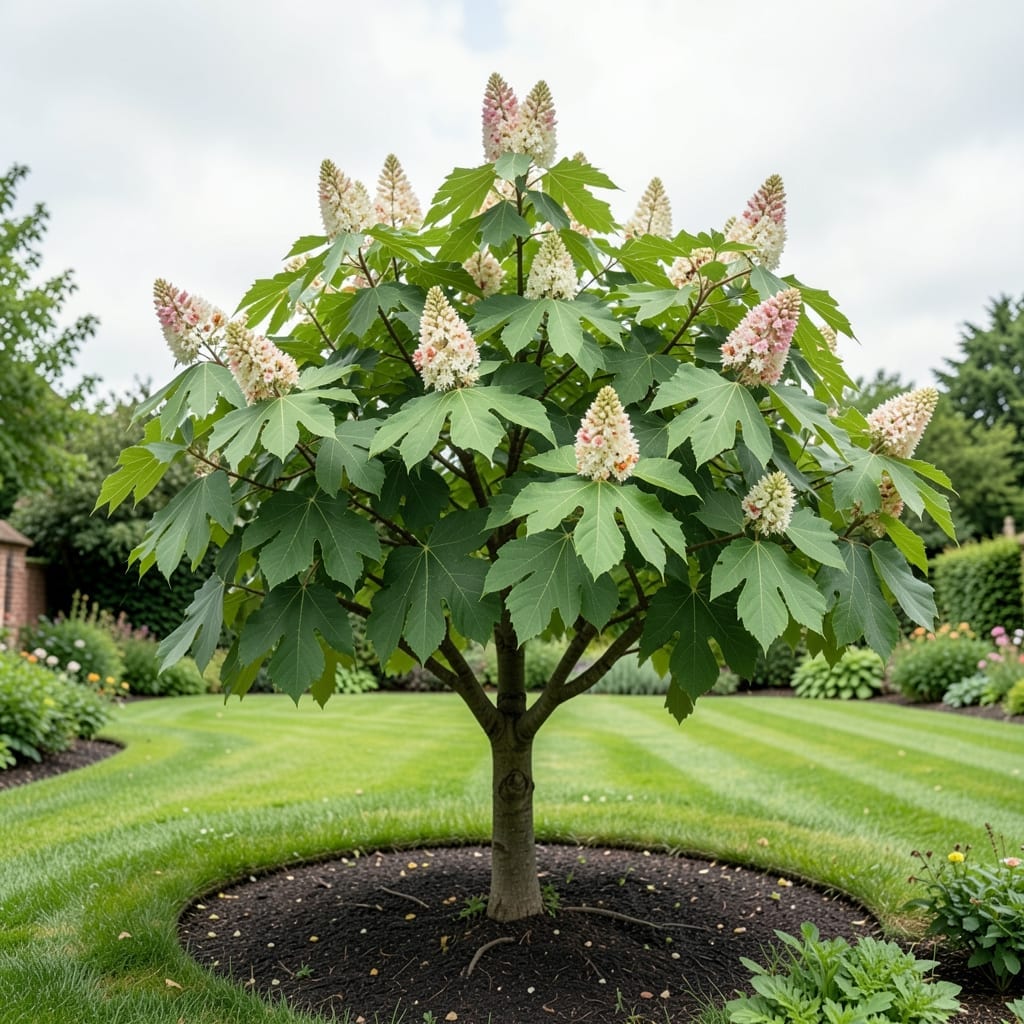
There’s something magical about watching a 🌳 Horse Chestnut burst into bloom. Those tall spikes of white and pink flowers can transform any landscape into a picturesque scene.
But getting those vibrant blooms isn’t just about luck. It takes understanding the tree’s seasonal needs and providing the right care at the right time.
Discover how to nurture your Horse Chestnut through each season for the most spectacular floral display. The results will be worth every effort.
The horse chestnut in flower is a spectacular display of nature’s artistry. Its tall, conical clusters, called panicles, can contain 20-50 individual blossoms each, creating a stunning visual effect.
These flowers typically appear in late spring, usually between April and June, depending on your climate zone. The blooming period lasts about 2-3 weeks, filling the air with a subtle, sweet fragrance.
| Blooming Aspect | Details |
|---|---|
| Flower Color | White with pink or yellow markings |
| Bloom Time | April to June |
| Bloom Duration | 2-3 weeks |
| Panicle Size | 6-12 inches tall |
| Ideal USDA Zones | 4-7 |
I’ve found that full sun exposure is crucial for the best blooms. A mature horse chestnut tree needs at least 6 hours of direct sunlight daily to produce those magnificent flower spikes.
The soil conditions also play a vital role. These trees thrive in well-drained, loamy soil with a slightly acidic to neutral pH. If your soil is heavy clay, consider amending it with organic matter to improve drainage.
Interestingly, young trees may not flower until they’re about 10-15 years old. Patience is key with horse chestnuts! Once they start blooming, you can expect a reliable display each spring.
Weather conditions can affect the blooming schedule. A late frost in spring might delay the flowers, while an unusually warm winter could cause them to appear earlier than normal.
After the flowers fade, they’re followed by the tree’s distinctive spiky seed pods, which contain the familiar conkers. This transition marks the beginning of the tree’s reproductive cycle for the year.
To maximize your horse chestnut’s blooming potential, I recommend consistent watering during dry spells in the months leading up to spring. This helps the tree store the energy it needs for a spectacular floral show.
Remember, while the flowers are beautiful, they’re also an important food source for pollinators like bees. Planting a horse chestnut can support your local ecosystem while adding beauty to your landscape 🌳
To keep your horse chestnut in flower looking its best, I’ve found that seasonal care makes all the difference. Each time of year demands specific attention to encourage those stunning blooms.
In early spring, focus on pruning dead branches and clearing debris around the base. This allows the tree to direct its energy toward new growth and flower production.
During summer months, I recommend deep watering every 7-10 days, especially in dry periods. A 2-inch layer of mulch helps retain moisture and keeps roots cool.
When fall arrives, apply a balanced fertilizer to replenish nutrients. This prepares the tree for dormancy and ensures it has the reserves for next year’s blooms.
In winter, while the tree is dormant, check for signs of pests or diseases. Early detection means easier treatment before the next growing season begins.
I’ve also noticed that young trees benefit from staking in windy areas. This prevents root disturbance and helps them establish a strong foundation for future blooming.
With consistent care through the seasons, your horse chestnut will reward you with spectacular flowers year after year 🌳