
Beautiful Plants For Your Interior
Beautiful Plants For Your Interior
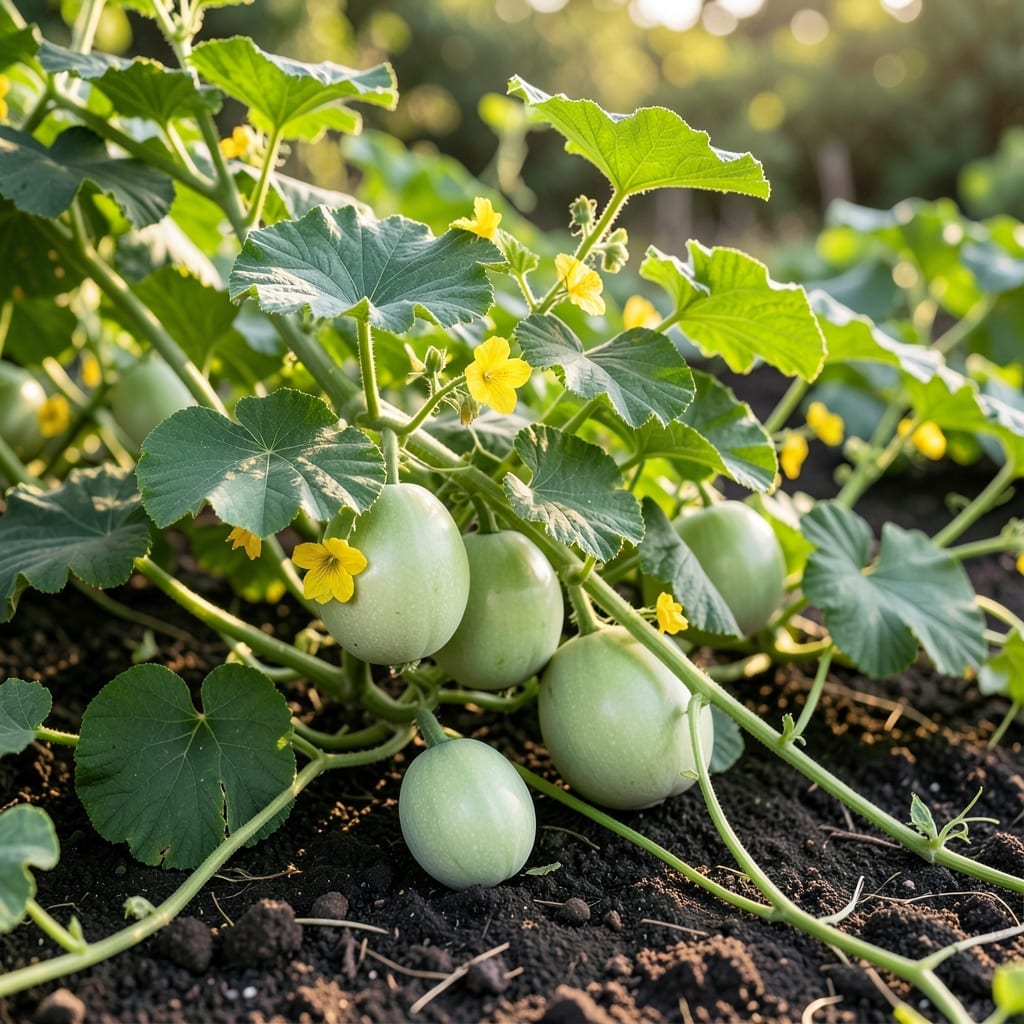
Last summer changed my mind about melons forever. A single vine produced 12 perfect honeydews from a patch no bigger than my kitchen table.
Here’s the thing—it’s not about luck. Warm soil, consistent moisture, and a trellis for air circulation make all the difference. I skipped the fancy fertilizers and still got sweeter fruit than store-bought.
You’ll watch vines stretch 6 feet in weeks, with flowers appearing by midseason. The first harvest comes faster than you’d expect, and the taste makes the effort worthwhile.
Works in raised beds, hills, or even large containers. This method doesn’t require a green thumb, just patience and a sunny spot.
The health and growth of your honeydew melon vine can be influenced by several factors. Understanding these causes helps you address problems early for a thriving harvest. Below are the most common reasons behind vine issues:
Honeydew vines need well-draining, nutrient-rich soil with a pH between 6.0 and 6.8. Compacted or waterlogged soil restricts root development, leading to stunted growth. A lack of organic matter (like compost) can also deprive the vine of essential nitrogen, phosphorus, and potassium.
Overwatering or underwatering stresses the vine. Too much water can cause root rot, while too little leads to wilting and poor fruit development. Aim for 1–2 inches of water per week, adjusting for rainfall and soil moisture levels. Drip irrigation is ideal to keep foliage dry and prevent fungal diseases.
Honeydew melons require full sun (6–8 hours daily) for photosynthesis and sugar development. Shade from nearby plants or structures can weaken the vine, reducing fruit size and sweetness. Ensure proper spacing (3–4 feet apart) to avoid competition for light.
Pests like aphids, cucumber beetles, or spider mites can damage leaves and stems, while diseases (e.g., powdery mildew, fusarium wilt) may yellow or wilt the vine. Regularly inspect plants, use row covers for young vines, and apply organic fungicides or neem oil as preventative measures.
Honeydew vines thrive in warm temperatures (70–85°F). Cold snaps or excessive heat (above 90°F) can shock the plant, slowing growth. Use mulch to regulate soil temperature and protect vines from sudden temperature swings.
Running into trouble with your melon vines? Don’t worry—most problems are easy to tackle with the right approach. Below, we break down common issues and their fixes, plus tips to keep your plants thriving.
Yellow leaves often signal a nitrogen deficiency. Fix it by applying a balanced fertilizer (10-10-10) or compost tea. If the soil is waterlogged, improve drainage by amending with sand or organic matter. Prevention tip: Test soil before planting and fertilize every 3-4 weeks during growth.
Aphids, cucumber beetles, or spider mites can stunt growth. Fix it with a spray of neem oil or insecticidal soap. For severe cases, introduce beneficial insects like ladybugs. Prevention tip 💡: Rotate crops yearly and remove plant debris to deter pests.
Wilting can mean underwatering or overwatering. Fix it by checking soil moisture—water deeply when the top inch feels dry, but avoid soggy conditions. Mulch around plants to retain moisture. Prevention tip ✨: Water early in the day to reduce evaporation and fungal risks.
Leggy or stunted vines may lack sunlight or proper support. Fix it by ensuring 6-8 hours of direct sun daily and using trellises to encourage upward growth. Prevention tip 🎯: Space plants 2-3 feet apart to reduce competition for light and nutrients.
If flowers drop without forming fruit, pollination may be the issue. Fix it by gently transferring pollen with a small brush or cotton swab. Prevention tip 🌡️: Plant pollinator-friendly flowers nearby to attract bees.
Each vine requires 3-4 feet of space to sprawl. For smaller gardens, use a trellis to train vines upward, saving ground space while improving air circulation.
Use drip irrigation to deliver 1-2 inches of water weekly at soil level. Avoid wetting leaves to prevent fungal diseases like powdery mildew.
Lack of pollination is the most common cause. Hand-pollinate by transferring pollen between flowers with a brush. Planting near bee-friendly blooms can also help.
Check for a sweet aroma and a creamy-yellow hue under the rind. The stem should separate easily from the vine with gentle pressure.