
Beautiful Plants For Your Interior
Beautiful Plants For Your Interior
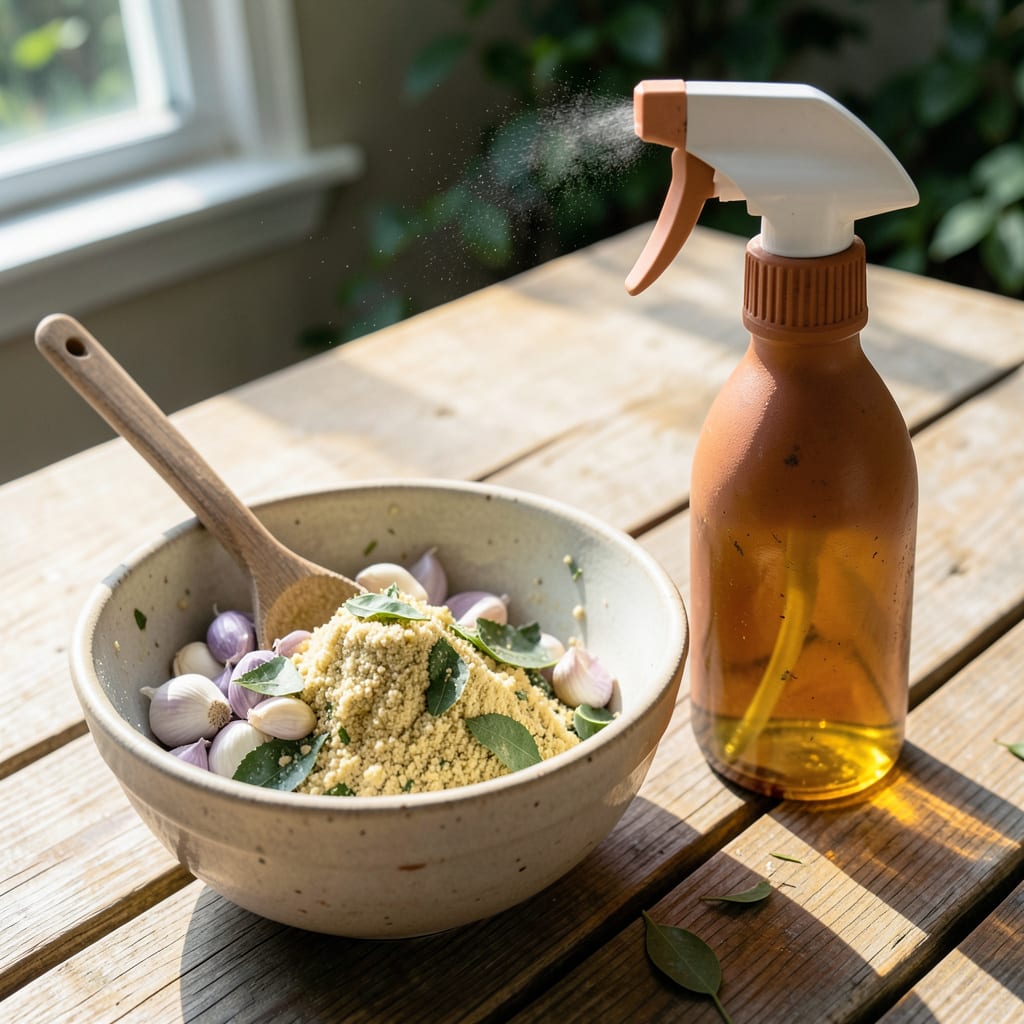
White dust on leaves ruins a good garden fast. I lost a row of zucchini to powdery mildew before learning this simple fix.
Turns out, your kitchen holds the cure. A basic spray made from household items stops the spread without harsh chemicals. Works on roses, cucumbers, even houseplants.
You’ll see results within 48 hours—leaves clear up, new growth stays clean. The treatment costs pennies and prevents future outbreaks.
No special equipment needed, just a spray bottle and 5 minutes of your time. Here’s how to mix it right.
Powdery mildew is a common fungal disease that thrives under specific conditions. Understanding its causes helps you prevent and treat it effectively. Here’s why it happens:
This fungus flourishes in environments with 70-80% humidity, especially when combined with dry foliage. Unlike other fungi, powdery mildew doesn’t need free water to grow—just moist air. Poor air circulation (e.g., crowded plants or stagnant air) traps humidity around leaves, creating the perfect breeding ground.
Temperature swings between 60–80°F (15–27°C) during the day and cooler nights stress plants, weakening their defenses. These conditions mimic the fungus’s ideal lifecycle, accelerating spore production and spread.
Wetting leaves—especially in the evening—extends the period of surface moisture, even if the air is dry. While powdery mildew doesn’t require water to infect, damp foliage encourages spore germination. Always water at the base of plants to keep leaves dry.
Some plants, like roses, cucumbers, zucchini, and phlox, are genetically prone to infection. New growth (tender leaves and stems) lacks the tough cuticle of mature foliage, making it easier for spores to penetrate.
Dense plantings or sheltered areas (e.g., against fences or walls) restrict airflow, allowing spores to settle and multiply. Prune regularly and space plants properly to improve ventilation.
By addressing these factors, you can reduce the risk of powdery mildew taking hold in your garden.
Powdery mildew doesn’t have to spell doom for your garden. With the right homemade fixes, you can clear it up and keep plants thriving. Below are targeted solutions, plus tips to stop it from coming back.
Tight spacing traps moisture and blocks air circulation—perfect conditions for mildew. Thin out dense foliage or prune affected leaves to let air flow freely. Space plants according to their mature size, and avoid overhead watering to keep leaves dry.
Prevention tip: 💡 Use a small fan on low in greenhouses or indoor setups to boost airflow.
Mildew thrives in damp environments. Water at the base of plants early in the day so foliage dries before evening. If humidity stays high (especially indoors), consider a dehumidifier or move pots to a drier spot.
Prevention tip: 🌡️ Aim for humidity below 60% for most plants.
At the first white spots, treat with a homemade fungicide:
Prevention tip: ✨ Rotate sprays to prevent fungal resistance.
Weak or over-fertilized plants (especially with high nitrogen) are more susceptible. Switch to a balanced, organic fertilizer and add compost to strengthen natural defenses.
Prevention tip: 🎯 Avoid late-season nitrogen; opt for potassium-rich amendments to toughen cell walls.
Apply your chosen spray every 5-7 days for active infections. For prevention, a weekly application works well. Always spray in the morning so leaves dry quickly.
Yes! Baking soda, neem oil, and milk solutions are safe for vegetables and herbs. Just wash produce thoroughly before eating. Avoid spraying right before harvest.
Fungi can develop resistance. Rotate between different sprays (baking soda, neem, milk) every 2-3 weeks for best results. Also check your plant spacing and humidity levels.
