
Beautiful Plants For Your Interior
Beautiful Plants For Your Interior
Tiny black flies hovering over your houseplants are fungus gnats, and they’re more than annoying—they can damage roots. I’ve lost seedlings to these pests before discovering a simple homemade trap that works overnight.
This vinegar and soap solution stops the breeding cycle fast. You’ll see fewer adults within 24 hours and your plants can finally breathe. No chemicals, just stuff you already have in your kitchen.
📚 In This Guide
Here’s the method I rely on to eliminate fungus gnats quickly and effectively.
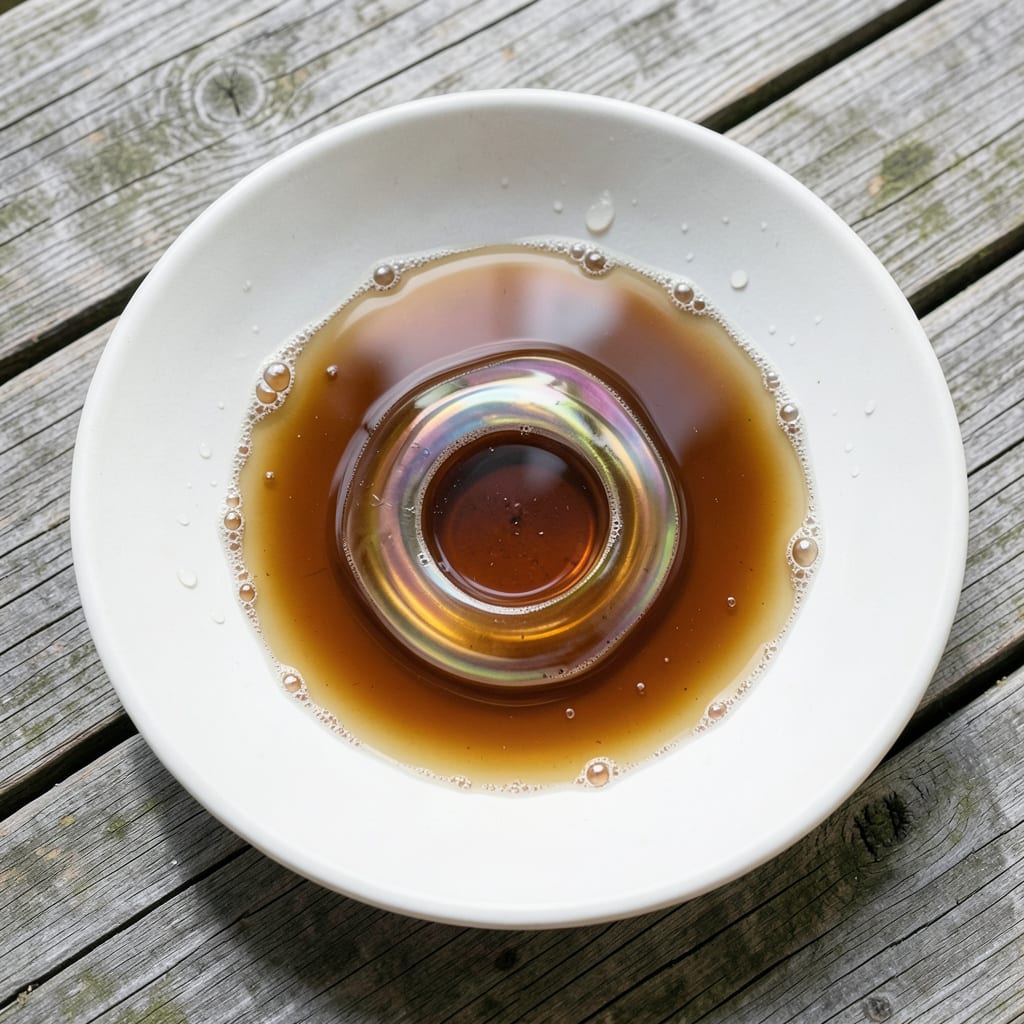
You’ll need a shallow container, apple cider vinegar, liquid dish soap, and a small amount of water. I prefer using a wide, flat dish like a saucer or shallow bowl because it provides more surface area for the gnats to access. The vinegar’s acidity attracts them, while the soap breaks the surface tension of the liquid, ensuring they sink and drown.
Real talk: any vinegar works, but apple cider vinegar seems to draw in more gnats due to its slightly sweeter scent. Avoid using a deep container—gnats struggle to find the liquid if it’s not easily visible.
Fill the container with about 1 inch of apple cider vinegar. Add 2-3 drops of liquid dish soap and stir gently. The soap is critical—it disrupts the surface tension so the gnats can’t escape once they land. I’ve found that adding a teaspoon of water can help dilute the mixture slightly, making it more effective.
Here’s the thing—don’t overdo the soap. Too much can create excessive suds, which may repel the gnats instead of trapping them. The ideal mix looks clear with just a slight film on top.
Set the container near the base of infested plants or in areas where you’ve noticed gnat activity. Fungus gnats are weak fliers, so placing the trap within 6-12 inches of the soil ensures they find it quickly. I like to use multiple traps for severe infestations, spacing them around the affected area.
You’ll see results within 24-48 hours. The gnats are drawn to the vinegar, land on the surface, and the soap prevents them from flying away. Check the trap daily and replace the solution every 2-3 days or when it becomes cloudy with debris.
After 3-5 days, you should notice a significant reduction in gnat activity. If the problem persists, refresh the traps and consider addressing the root cause—overly moist soil. Fungus gnats thrive in damp conditions, so allowing the top 1-2 inches of soil to dry out between waterings can prevent future infestations.
This is the moment that matters: consistency. Keep the traps in place for at least 1-2 weeks to break the gnat life cycle completely. I’ve found that rotating trap locations every few days catches stragglers that might have been missed.
Small adjustments make this homemade solution even more effective against fungus gnats.
Container Choice: In Step 1, using a wide, shallow dish like a saucer maximizes surface area for the gnats to find the trap. I’ve tested this extensively—deep containers significantly reduce effectiveness because fungus gnats are weak fliers and can’t easily locate the liquid.
Soap Precision: For Step 2, those 2-3 drops of liquid dish soap are critical. More isn’t better; excessive soap creates suds that can actually repel gnats rather than trap them. The ideal mixture should look nearly clear with just a faint film on top.
Strategic Placement: As mentioned in Step 3, that 6-12 inch range from the soil isn’t arbitrary. Fungus gnats typically stay very close to their breeding grounds in moist soil, so placing traps farther away drastically reduces their effectiveness.
Consistency Matters: The 1-2 week timeline in Step 4 is essential to break the gnat life cycle completely. I learned the hard way that removing traps too soon allows surviving larvae to mature and restart the infestation.
Most traps start catching gnats within a few hours, but peak effectiveness occurs after 24-48 hours. Replace the solution every 2-3 days for best results.
Yes! Red wine vinegar or even a beer trap can work, but apple cider vinegar’s sweetness and fermented scent attract gnats most effectively.
Check if the soap is well-mixed (it breaks surface tension) or if the vinegar is fresh. Gnats may also avoid traps in dry soil—water plants first to lure them out.
Sticky traps (yellow cards) or a potato slice left on soil can also trap gnats. These are great for monitoring but may work slower than vinegar traps.
