
Beautiful Plants For Your Interior
Beautiful Plants For Your Interior
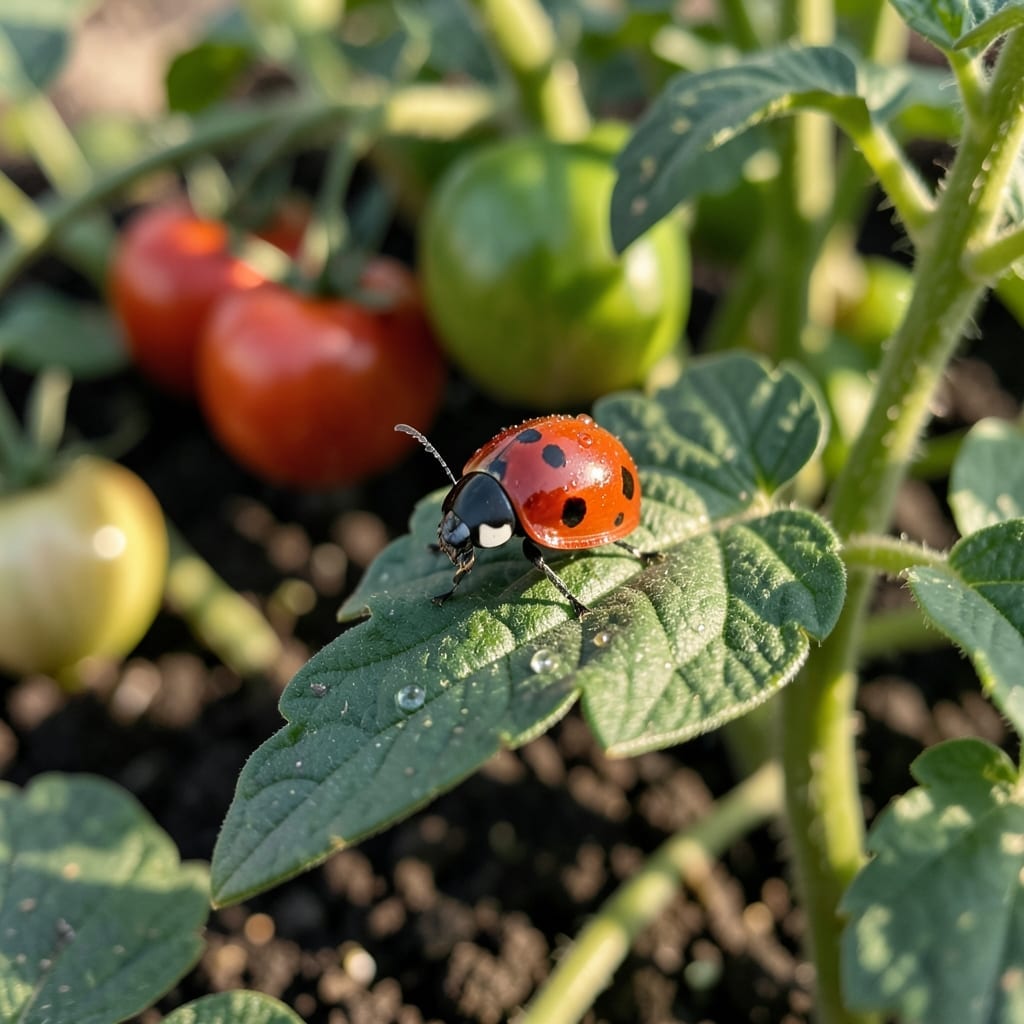
Last summer, aphids nearly destroyed my entire rose garden. I learned that harsh chemicals often do more harm than good to the plants we’re trying to protect.
Simple household items like soapy water and neem oil can be just as effective as store-bought pesticides. The key is catching pests early before they multiply out of control.
These remedies work because they target pests without harming beneficial insects or the soil ecosystem. You’ll notice results within 24-48 hours of application.
Best of all, most solutions use ingredients you already have in your pantry. Gentle on plants, tough on bugs.
Plant insects don’t just appear out of nowhere—they’re drawn to your greenery for specific, often preventable reasons. Understanding these triggers helps you address the root of the problem before reaching for home remedies. Here’s why your plants might be under siege:
Excess moisture creates a breeding ground for fungi and soft-bodied pests like aphids and fungus gnats. Soggy soil suffocates roots, weakening plants and making them more susceptible to infestations. Sciarid flies, for example, thrive in damp conditions, laying eggs in the topsoil where larvae feed on decaying organic matter.
Stagnant air traps humidity around foliage, inviting pests like spider mites and whiteflies. These insects prosper in still environments, where they can spin webs or lay eggs undisturbed. Proper spacing between plants and gentle airflow (e.g., a ceiling fan on low) disrupts their life cycle.
Over-fertilizing, especially with nitrogen-heavy blends, produces lush but soft growth—a buffet for sap-sucking pests. Aphids and mealybugs target tender new shoots, which lack the structural defenses of mature leaves. Conversely, nutrient-deficient plants are stressed and less resistant to attacks.
Plants weakened by improper light, temperature swings, or transplant shock emit distress signals (like volatile organic compounds) that attract pests. Scale insects and thrips often target stressed plants, as their weakened state makes them easier to penetrate and exploit.
Open windows, contaminated soil, or new plants can introduce pests. Hitchhiking insects like earwigs or caterpillars may arrive on fresh produce or garden tools. Even organic potting mixes can harbor eggs or larvae if not sterilized.
Dealing with plant pests doesn’t have to mean harsh chemicals. Here are simple, effective home remedies to tackle common intruders and keep your greens thriving.
Mix 1 teaspoon of mild dish soap with 1 liter of water and spray directly on leaves, focusing on the undersides where aphids hide. The soap breaks down their protective coating, causing them to dehydrate. Prevention tip: 💡 Encourage ladybugs—they’re natural aphid predators!
Dilute 1 tablespoon of neem oil in 1 liter of water with a few drops of dish soap as an emulsifier. Spray evenly on affected plants, especially in dry conditions where mites thrive. Prevention tip: ✨ Mist plants regularly to increase humidity and deter mites.
Place yellow sticky traps near plants to catch adult whiteflies. For a repellent, blend 3 crushed garlic cloves in 1 liter of water, strain, and spray weekly. Prevention tip: 🎯 Rotate crops and avoid over-fertilizing with nitrogen, which attracts whiteflies.
Sprinkle used coffee grounds around plant bases—the caffeine is toxic to slugs. Alternatively, bury a shallow dish filled with beer; they’ll crawl in and drown. Prevention tip: 🌡️ Water plants in the morning to reduce evening moisture, which slugs love.
Mix 2 tablespoons of apple cider vinegar with 1 cup of water and a drop of dish soap in a shallow container. The scent attracts gnats, and the soap traps them. Prevention tip: ✨ Let the top layer of soil dry between waterings to discourage egg-laying.
Consistency is key—reapply remedies every 5–7 days or after rain. Always test sprays on a small area first to avoid plant sensitivity.
Reapply every 5-7 days or after rain. Consistency is crucial since natural remedies break down faster than chemical pesticides. Monitor your plants closely for new signs of pests.
Yes, but rinse produce thoroughly before eating. Avoid spraying on the day of harvest. Neem oil and soapy water are safe when used correctly and washed off.
Pests may return if the root cause isn’t addressed. Check for overwatering, poor airflow, or stressed plants. Combine treatments with prevention like sticky traps or beneficial insects.
Most are pet-safe once dry, but keep pets away until sprays settle. Avoid coffee grounds if your pet is sensitive to caffeine. Always store homemade mixes out of reach.