
Beautiful Plants For Your Interior
Beautiful Plants For Your Interior
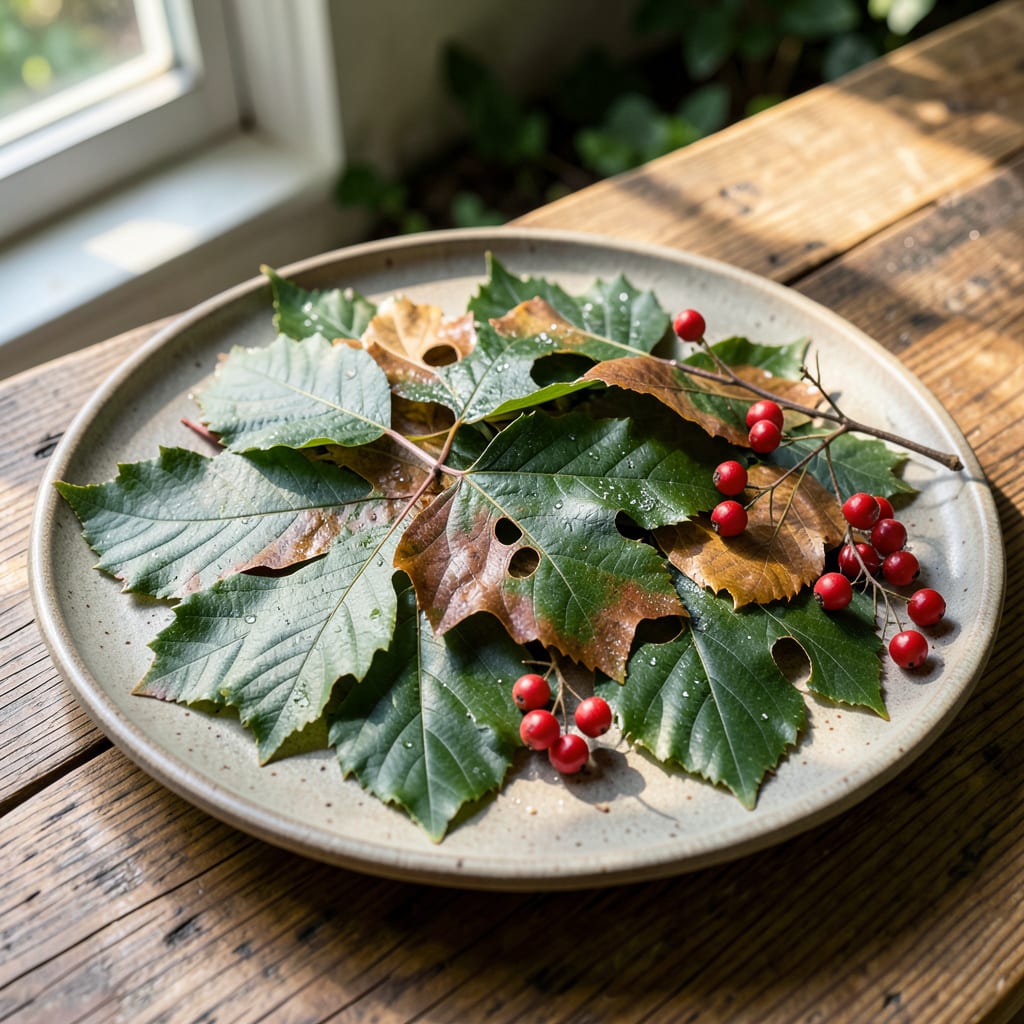
Watching your tree leaves turn into Swiss cheese overnight is frustrating. I’ve stood under my maple more times than I’d like to admit, wondering what’s munching through the foliage while I sleep.
Most holes come from hungry caterpillars, beetles, or sawfly larvae—nature’s tiny leaf shredders. Sometimes it’s just weather damage, but the patterns usually give them away. One morning you’ll see jagged edges, the next, perfect circles.
The good news? You can fight back without chemicals. Hand-picking pests works for small trees, and neem oil or insecticidal soap handles bigger infestations. A little vigilance goes a long way.
Early action saves your tree’s health and next year’s shade. Here’s how to outsmart whatever’s making a buffet of your leaves.
Tree leaves don’t develop holes on their own—something is always to blame. Below are the most common culprits, explained in clear, actionable terms so you can identify and address the issue.
Many insects, such as beetles, caterpillars, and sawflies, chew through leaf tissue as part of their diet. Beetles often create irregular, jagged holes, while caterpillars may leave smooth-edged gaps or skeletonize leaves by eating the soft tissue between veins. Sawfly larvae, which resemble caterpillars, tend to window-feed, leaving a translucent membrane where they’ve eaten.
Pathogens like anthracnose fungus or bacterial leaf spot can cause spots that expand into holes as the tissue dies and falls out. These often start as dark or water-soaked lesions and may have a yellow halo. Fungal infections thrive in wet, humid conditions, while bacterial issues spread rapidly in warm, rainy weather.
Extreme weather—such as hail, high winds, or frost—can tear or puncture leaves, leading to holes. Drought stress can also cause leaf scorch, where edges dry out and break away. Physical damage from lawnmowers, trimmers, or wildlife (like deer or rabbits) may also result in ragged holes, often near the base of the tree.
While not as obvious as chewing pests, aphids, mites, and scale insects pierce leaf cells to feed on sap. Their damage often appears as stippling (tiny yellow or white dots) or distorted growth, but severe infestations can weaken leaves, making them more prone to tearing or secondary infections that create holes.
Dealing with holes in your tree’s leaves? Here are targeted, organic solutions for each common cause, along with prevention tips to keep your trees thriving.
Fix: Start by removing pests by hand or with a strong spray of water. For larger infestations, apply neem oil or insecticidal soap in the early morning or late evening to avoid harming beneficial insects. Repeat every 5-7 days until the problem is resolved.
Prevention: Encourage natural predators like ladybugs and lacewings by planting companion flowers (e.g., marigolds or alyssum). Keep your garden clean to reduce hiding spots for pests. 💡
Fix: Prune and remove infected leaves or branches immediately to prevent spread. Spray the tree with a copper fungicide or a homemade mix of baking soda and water (1 tbsp baking soda + 1 gallon of water + a few drops of dish soap) for mild cases. Ensure good air circulation around the tree.
Prevention: Avoid overhead watering to keep leaves dry. Water at the base of the tree in the morning so foliage dries quickly. Clean up fallen leaves and debris regularly. ✨
Fix: Install physical barriers like chicken wire or tree guards around the trunk. For deer, use commercial repellents or DIY sprays made from rotten eggs and water (reapply after rain). Motion-activated sprinklers can also deter larger animals.
Prevention: Plant deer-resistant species near vulnerable trees. Keep pets in the yard to scare off smaller critters like rabbits or squirrels. 🎯
Fix: If the holes are due to drought stress, water deeply and mulch around the base to retain moisture. For wind or hail damage, prune jagged edges to help the tree heal. Use shade cloth to protect young trees from excessive sun.
Prevention: Maintain consistent watering (1-2 inches per week) and fertilize in early spring to strengthen the tree. Choose native or drought-tolerant species for your climate. 🌡️
No, but new healthy leaves will grow to replace damaged ones. Trees focus energy on producing fresh foliage rather than repairing existing leaves.
Remove pests by hand or use neem oil for insects. For fungal issues, prune affected leaves and apply copper fungicide. Act quickly to prevent spreading.
Pest damage often has ragged edges or visible insects. Disease causes spots with halos or discoloration. Check both sides of leaves for clues.
