
Beautiful Plants For Your Interior
Beautiful Plants For Your Interior
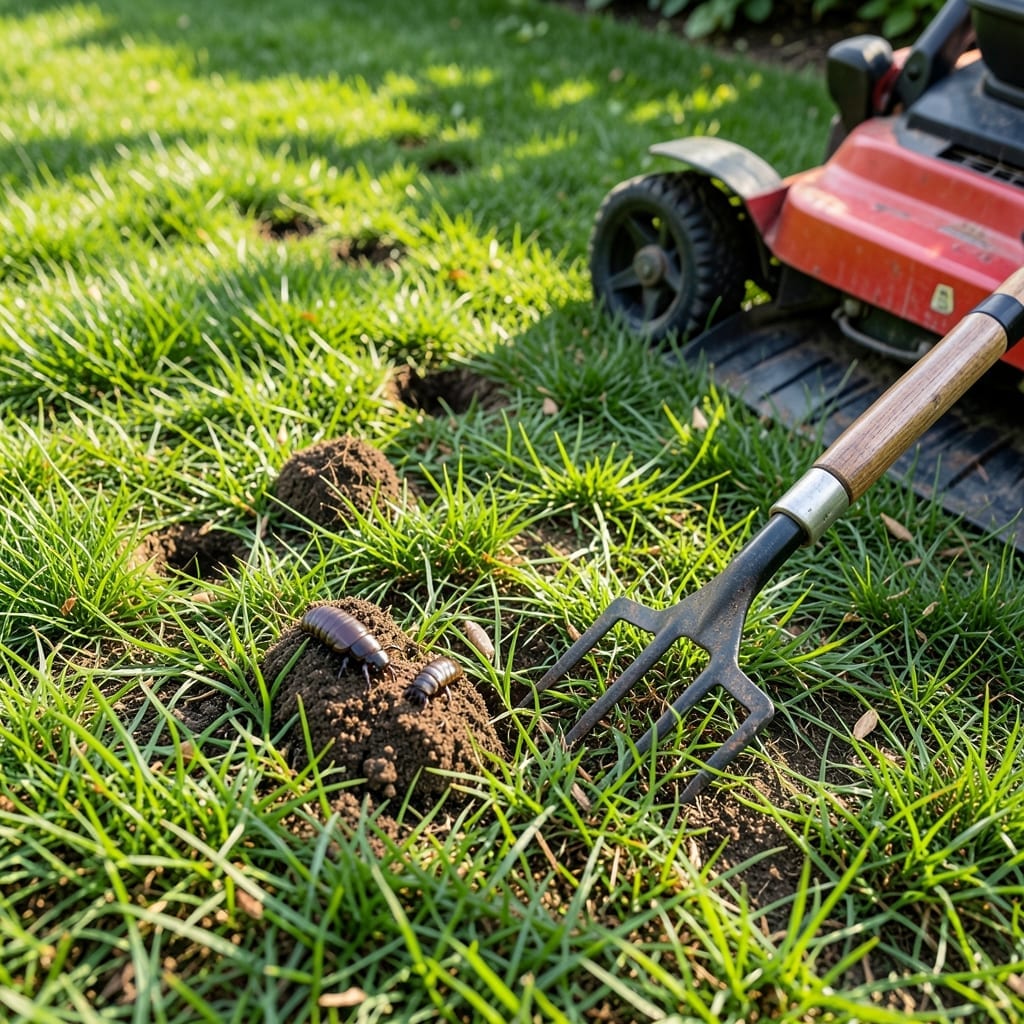
Waking up to mysterious holes in the lawn feels like a garden betrayal. I’ve spent too many mornings staring at fresh divots, wondering what’s tunneling under my grass.
UK lawns face unique invaders—from foxes to moles to curious pets. The good news? Most causes leave telltale clues, and the fixes are simpler than you’d think.
Pet-friendly solutions exist for every scenario, keeping your lawn pristine without harming wildlife or your four-legged family members.
No harsh chemicals, no complicated traps—just effective strategies that actually work in our climate.
Understanding the root of those unsightly holes in your lawn is the first step to fixing them. Here are the most common culprits in the UK, explained simply:
Small mammals like moles, voles, and hedgehogs dig for food or shelter, leaving behind tunnels or shallow pits. Moles, in particular, create raised ridges as they burrow just below the surface. Birds like starlings or blackbirds may also peck at the lawn for grubs, creating small, shallow holes.
Lawn pests such as chafer grubs, leatherjackets (crane fly larvae), or ants can weaken the grass roots, causing the turf to collapse into small holes. Chafer grubs, for example, feed on roots, leading to yellow patches that eventually cave in. Ant nests can also create mounds with small entry holes.
Poor drainage or heavy rainfall can wash away soil, particularly in low-lying or compacted areas. This creates depressions or sinkholes over time. Clay-heavy soils in the UK are especially prone to this, as they retain water and become unstable when saturated.
Foot traffic, garden tools, or even lawnmower wheels can press down the soil, causing compaction. Over time, this leads to uneven settling and small divots. Pet paws—especially from energetic dogs—can also dig or wear down patches of grass.
Fungal issues like fairy ring or brown patch can cause grass to die in circular patterns, sometimes leaving behind sunken areas. These diseases thrive in damp, poorly aerated lawns, common in the UK’s humid climate.
Tackling those unsightly lawn holes doesn’t have to be a chore. Below are targeted fixes for common causes, plus prevention tips to keep your grass pristine year-round.
For small mammal holes, fill the entry with soil and tamp it down. To discourage return visitors, place ultrasonic repellents or sprinkle chili flakes (pet-safe!) near the area. For deeper tunnels, lay down chicken wire just below the surface before reseeding.
Prevention: Regularly inspect your lawn for new activity, especially in early morning or dusk when critters are active.
If your dog is the culprit, designate a digging zone with loose soil or sand to satisfy their instincts. For existing holes, loosen the soil, add compost, and lay fresh sod or grass seed. Water thoroughly to help roots establish.
Prevention: Increase playtime and mental stimulation to reduce boredom digging. Use bitter apple spray on problem spots as a deterrent.
Waterlogged patches often lead to soil compaction and holes. Use a garden fork or core aerator to loosen the soil, then mix in sand or grit to improve drainage. Reseed bare spots with hardy grass varieties like perennial ryegrass.
Prevention: Avoid overwatering and ensure your lawn has a gentle slope away from the house.
For grubs or leatherjackets, apply nematodes (a natural, pet-safe solution) to the affected area. Rake out dead grass, then top-dress with a 50/50 mix of compost and sand. Reseed and keep the soil moist until new growth appears.
Prevention: Encourage birds and beneficial insects by adding a wildflower strip or bird bath nearby.
With these fixes, your lawn will be hole-free and lush in no time! 🌿
Look for raised ridges of soil or small molehills. Moles create tunnel systems just below the surface, often in straight lines.
Use a mix of topsoil and compost, then tamp it down. Avoid chemical treatments—opt for natural deterrents like citrus peels or coffee grounds.
This usually means the underlying issue (like pests or poor drainage) hasn’t been fully addressed. Check for grubs or standing water, then treat accordingly.
Regular aeration, proper drainage, and encouraging natural predators (like birds) can keep pests and animals at bay.