
Beautiful Plants For Your Interior
Beautiful Plants For Your Interior
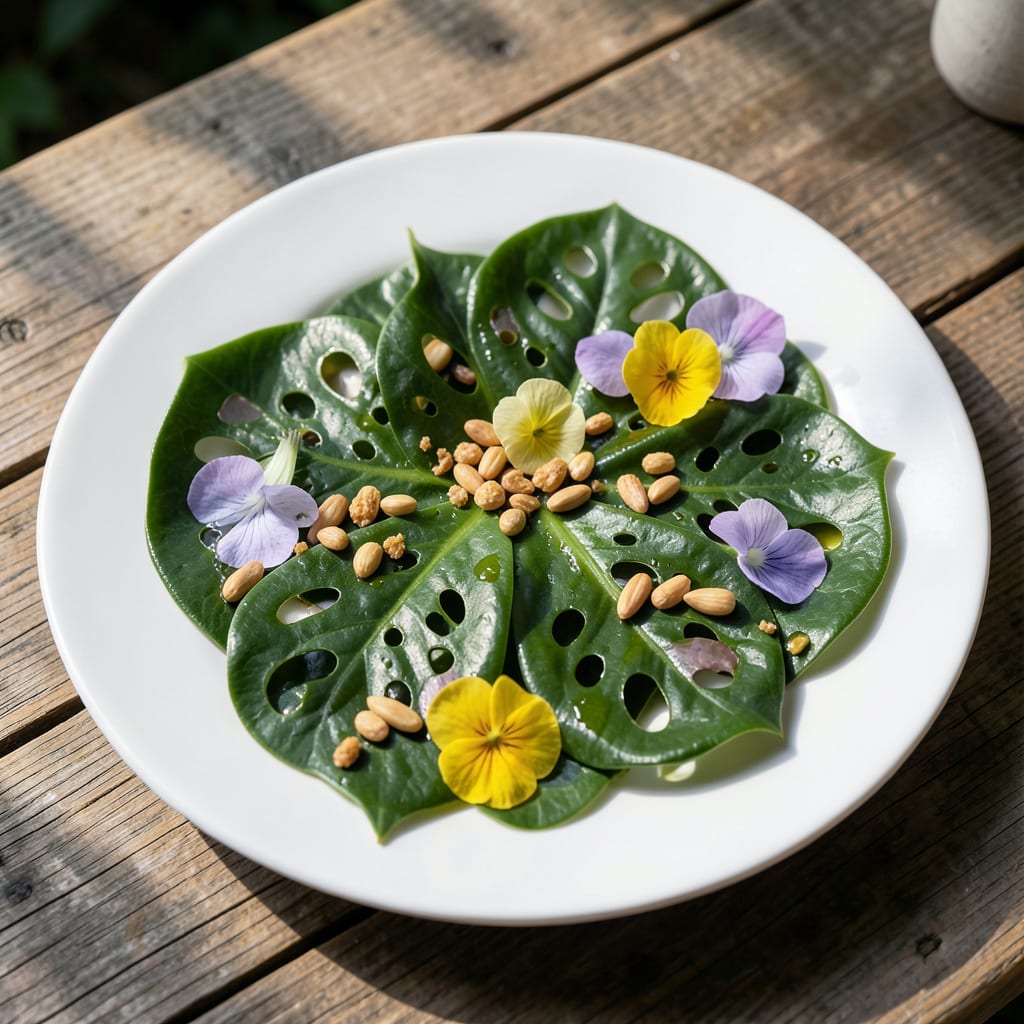
Those ragged holes in your peace lily leaves aren’t random—they’re clues. I’ve seen this pattern enough to know it’s usually pests or environmental stress, not some mysterious plant curse.
Spider mites, mealybugs, or thirsty air can all create that telltale damage. The good news? Peace lilies are tough, and with the right adjustments, they bounce back fast.
You’ll spot the difference between pest damage and stress once you know what to look for. The solution often starts with a closer look at your plant’s living conditions.
This isn’t about complicated fixes—just simple observations and targeted care. Let’s get to the root of the problem.
Holes in peace lily leaves can be frustrating, but understanding the root causes helps you fix the issue. Here are the most common culprits:
Small holes or irregular bite marks often signal pest activity. Spider mites, aphids, and mealybugs are frequent offenders. These pests pierce leaf tissue to feed on sap, leaving behind tiny wounds that expand into holes. Check the undersides of leaves for webbing, sticky residue, or visible insects.
Excess moisture can weaken peace lilies, making them vulnerable to bacterial or fungal infections. Root rot from soggy soil reduces nutrient uptake, leading to yellowing or perforated leaves. Ensure pots have drainage holes and water only when the top inch of soil is dry.
Extreme temperatures, low humidity, or direct sunlight can scorch leaves, creating dry, crispy edges or holes. Peace lilies thrive in 65–80°F (18–27°C) with indirect light. Use a humidifier or pebble tray to maintain 40–60% humidity.
A lack of essential nutrients (e.g., nitrogen, potassium) may cause weak leaf growth, increasing susceptibility to physical damage. Use a balanced, water-soluble fertilizer every 6–8 weeks during the growing season to prevent deficiencies.
Peace lilies are resilient, but holes in their leaves need quick action. Below are targeted fixes for the most common causes, along with tips to keep your plant thriving.
If spider mites, aphids, or mealybugs are the culprits, start by isolating the plant. Wipe leaves with a soapy water solution (1 tsp mild dish soap per liter of water) to remove pests. For stubborn cases, use neem oil (mix 1 tbsp with 1 liter of water and a few drops of dish soap) and spray weekly until pests disappear. Prevention tip: 💡 Regularly mist leaves and inspect the undersides for early signs of pests.
Holes from low humidity or dry air can be fixed by moving the plant to a more humid spot or using a pebble tray with water. If overwatering is the issue, let the soil dry out between waterings and ensure the pot has drainage holes. For underwatering, establish a consistent watering schedule—check soil moisture with your finger (top inch should feel dry). Prevention tip: 🌡️ Keep your peace lily in a stable environment, away from drafts or direct heat sources.
If holes are caused by accidental tears or pet nibbles, trim the damaged leaves with clean, sharp scissors just above the soil line. This encourages new growth and prevents further stress. Prevention tip: ✨ Place your peace lily in a spot where it’s safe from pets, children, or high-traffic areas.
Yellowing leaves with holes may signal a lack of essential nutrients. Use a balanced, water-soluble fertilizer (10-10-10 or 20-20-20) diluted to half strength, and apply every 6–8 weeks during the growing season. Avoid over-fertilizing, as this can burn roots. Prevention tip: 🎯 Flush the soil with water every few months to remove excess salts from fertilizers.
Check leaf undersides for tiny bugs, webbing, or sticky residue. Spider mites leave fine webbing, while aphids create sticky honeydew. A magnifying glass helps spot these pests early.
Yes! Dry air causes leaf edges to brown and crisp, eventually forming holes. Aim for 40-60% humidity using a tray with water and pebbles or a room humidifier.
Use clean scissors to trim at the base, just above the soil. This prevents further stress and encourages new growth. Always disinfect tools between cuts.
Soggy soil leads to root rot, which weakens the plant and creates vulnerable leaves. Water only when the top 1 inch of soil feels dry.
