
Beautiful Plants For Your Interior
Beautiful Plants For Your Interior
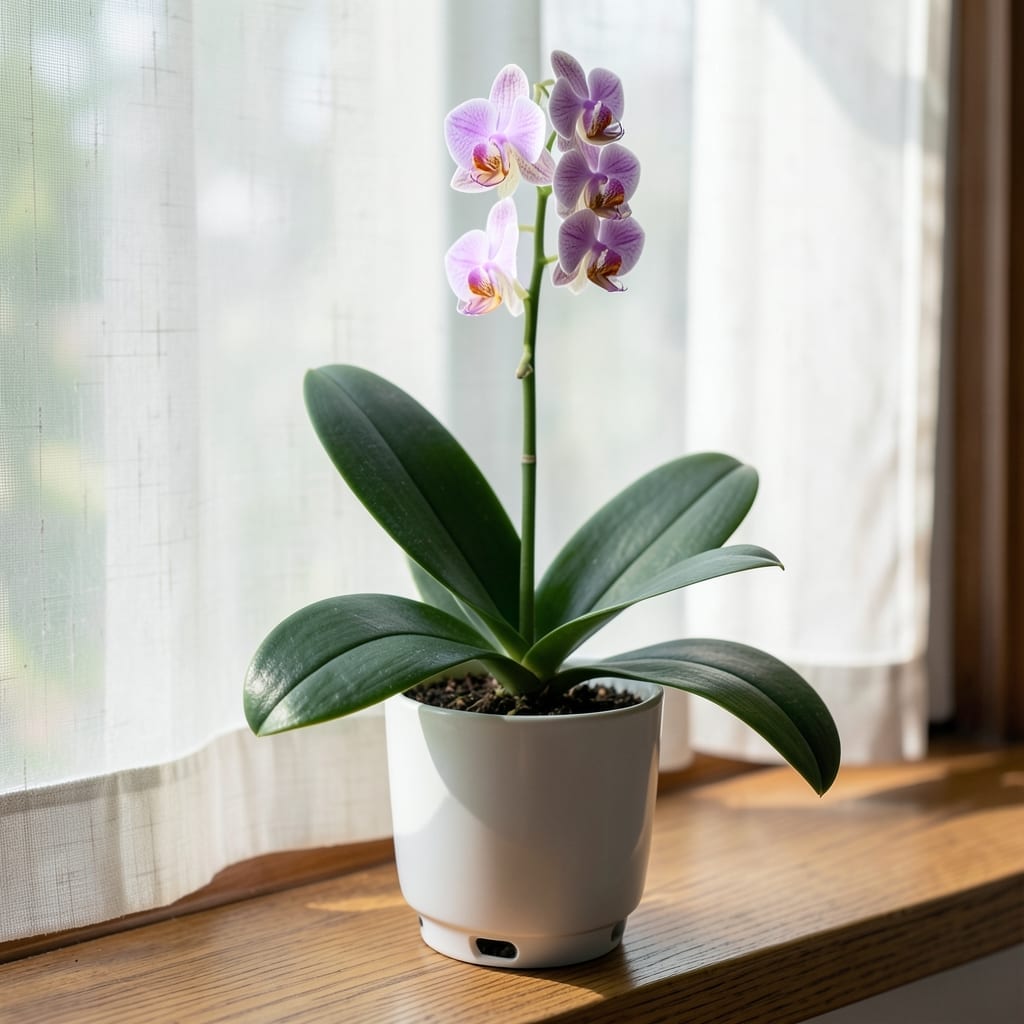
Holes in orchid leaves always feel like a gut punch. I’ve been there—staring at my once-perfect plant, wondering what went wrong overnight.
Here’s the thing—it’s usually not one dramatic event. Pests like snails or caterpillars munch quietly, while physical damage from sharp objects or rough handling creates instant tears. Sometimes, it’s even bacterial or fungal issues working behind the scenes.
You can fix this. Start by isolating the plant and examining the holes closely. Tiny, jagged edges? Probably pests. Clean cuts? Likely physical damage. The solution is simpler than you think.
Prevention is even easier. Regular inspections, proper spacing, and gentle care keep most problems from starting. Your orchids will thank you.
Orchid leaves with holes are often a sign of underlying issues that need prompt attention. Here are the most common culprits, explained with actionable insights:
Small holes or jagged edges often point to snails, slugs, or caterpillars. These pests chew through leaves, especially in outdoor or greenhouse settings. Thrips and spider mites can also cause tiny punctures. Inspect the undersides of leaves and the growing medium for signs of pests. A neem oil spray or insecticidal soap can help control infestations.
Excess moisture can lead to bacterial or fungal infections, which may manifest as water-soaked spots that later develop into holes. Orchids in poorly draining pots or dense substrates are particularly vulnerable. Ensure your orchid is potted in a well-ventilated mix (like bark or sphagnum moss) and water only when the medium is nearly dry.
Extreme temperatures, low humidity, or direct sunlight can weaken orchid leaves, making them more susceptible to physical damage. For example, sunburn can cause dry, brittle patches that eventually tear or form holes. Maintain stable conditions: 60–80°F (15–27°C) during the day, 50–65% humidity, and indirect light.
Accidental tears or punctures from handling, sharp tools, or nearby objects can create entry points for pathogens. Always use sterilized tools when pruning, and position orchids away from high-traffic areas. Even small wounds can expand into larger holes if left untreated.
Pathogens like Botrytis or Pseudomonas can cause lesions that enlarge into holes, especially in high-humidity environments. Remove affected leaves immediately and treat the plant with a copper-based fungicide or bactericide. Improve air circulation to prevent recurrence.
Here’s how to tackle each cause of leaf damage and restore your orchid’s health.
Isolate the plant and gently wipe leaves with a soapy water solution (1 tsp mild soap per 1 liter of water) to remove pests like spider mites or mealybugs. For stubborn cases, use neem oil spray every 5–7 days until pests are gone. Prevention tip: Inspect new plants before bringing them near your orchids and maintain good airflow.
Stop watering immediately and let the roots dry out. Repot in fresh, well-draining mix (bark-based is ideal) if root rot is present. Water only when the top inch of the medium feels dry. Prevention tip: Use clear pots to monitor root health and avoid soggy conditions.
Move your orchid to a spot with bright, indirect light (e.g., an east-facing window). If holes are from intense sunlight, trim damaged leaves to redirect energy. Prevention tip: Use a sheer curtain to diffuse harsh rays, especially in summer.
Switch to a balanced orchid fertilizer (20-20-20) diluted to half-strength, applied every 2 weeks during active growth. Yellowing leaves with holes may signal a lack of nitrogen or potassium. Prevention tip: Flush the potting mix with water monthly to prevent salt buildup.
Trim jagged edges with sterilized scissors to prevent further tearing. Avoid brushing against leaves when moving or cleaning. Prevention tip: Place orchids in low-traffic areas where they won’t get bumped.
With these fixes, your orchid will bounce back—just stay consistent and observe its response! 💡
Snails, slugs, and caterpillars often create jagged holes. Spider mites and thrips leave tiny punctures. Inspect leaf undersides for signs of pests.
Yes, overwatering leads to bacterial or fungal infections that cause water-soaked spots. These can turn into holes over time. Ensure good drainage to prevent this.
No, but healthy new leaves will replace them. Trim damaged areas with sterilized tools to help the plant focus energy on new growth.
Place orchids in low-traffic areas and handle gently. Use clear pots to monitor roots without disturbing the plant.