
Beautiful Plants For Your Interior
Beautiful Plants For Your Interior
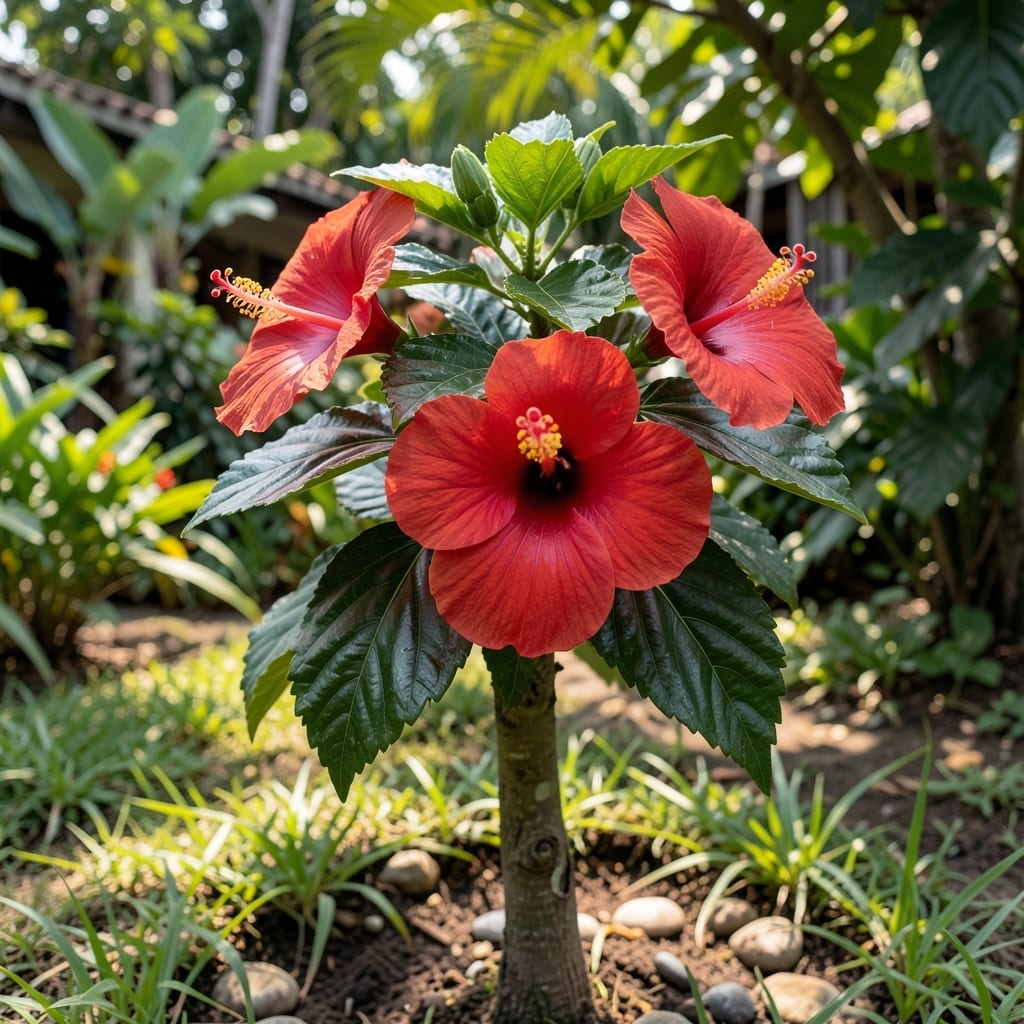
There’s nothing quite like the sight of a hibiscus 🌺 in full bloom, its vibrant petals adding a tropical touch to any garden. But those stunning flowers won’t thrive unless the temperature is just right.
Whether you’re growing tropical or hardy varieties, getting the conditions perfect makes all the difference. Too hot or too cold, and your hibiscus will struggle to produce those gorgeous blooms you love.
I’ve learned through experience that even small temperature shifts can impact these plants. The good news? With the right knowledge, you can create an environment where your hibiscus thrives year-round.
Discover the ideal temperature range and practical tips to keep your plants healthy and flowering beautifully. Let’s make your garden the envy of the neighborhood.
If you want your hibiscus to thrive, nailing the temperature range is non-negotiable. These tropical beauties have very specific needs that differ from their hardy cousins. I’ve seen both types flourish when given the right conditions.
Tropical hibiscus, like Hibiscus rosa-sinensis, craves warmth and will suffer if exposed to anything below 50°F. Hardy varieties, such as Hibiscus moscheutos, can handle colder temps but still need protection in extreme conditions.
| Hibiscus Type | Ideal Temperature Range | Minimum Survival Temp |
|---|---|---|
| Tropical Hibiscus | 60-85°F | 50°F |
| Hardy Hibiscus | 60-90°F | 20°F |
Tropical hibiscus thrives in consistent warmth between 60-85°F. Below 50°F, these plants start showing stress, and frost is a death sentence. I always bring mine indoors when nighttime temps dip below 55°F.
Hardy hibiscus, on the other hand, can survive down to 20°F when dormant. During the growing season, they prefer 60-90°F. In my garden, they bounce back every spring after surviving mild winters with proper mulching.
Seasonal changes matter too. In summer, both types love the heat but need afternoon shade in zones with 100°F+ days. I’ve noticed tropical hibiscus wilts faster in extreme heat without extra water and shade.
For indoor tropical hibiscus, maintain 65-75°F year-round. Avoid drafty windows in winter—cold drafts cause leaf yellowing and bud drop. I use a space heater near my plants during unexpected cold snaps.
Hardy hibiscus in colder zones (USDA 5-6) needs winter protection. I pile on 4-6 inches of mulch around the base after the first frost. This insulates the roots from freezing temps.
Watch for temperature stress signs. Tropical hibiscus drops leaves below 50°F, while hardy types may die back to the ground in winter but regrow in spring. Both can suffer bud blast in sudden temperature swings.
Pro tip: Use a soil thermometer to monitor root zone temps. Hibiscus roots prefer 60-70°F for optimal nutrient uptake. I check mine weekly during seasonal transitions.
When the mercury rises above 90°F or dips below 32°F, your hibiscus needs extra care. I’ve seen heatwaves turn lush plants into wilted messes overnight. The key is early intervention before stress sets in.
For heat protection, I rely on deep watering at dawn and shade cloth during peak afternoon hours. This keeps roots cool while preventing leaf scorch from intense direct sunlight.
In cold weather, hardy hibiscus can survive down to USDA Zone 5, but tropical varieties need to come inside. I always check the forecast and act before temperatures drop.
A thick mulch layer (3-4 inches) works wonders for in-ground plants. It insulates roots and prevents soil temperature swings. For potted hibiscus, I wrap containers in bubble wrap or move them to a garage.
During heatwaves, I avoid fertilizing as it can stress plants further. Instead, I focus on consistent moisture and good air circulation to prevent heat-related wilting.
Remember, temperature recovery takes time. After extreme weather, give your hibiscus a few days to bounce back before assessing damage. With these tips, your plants will weather any storm. ☀️