
Beautiful Plants For Your Interior
Beautiful Plants For Your Interior
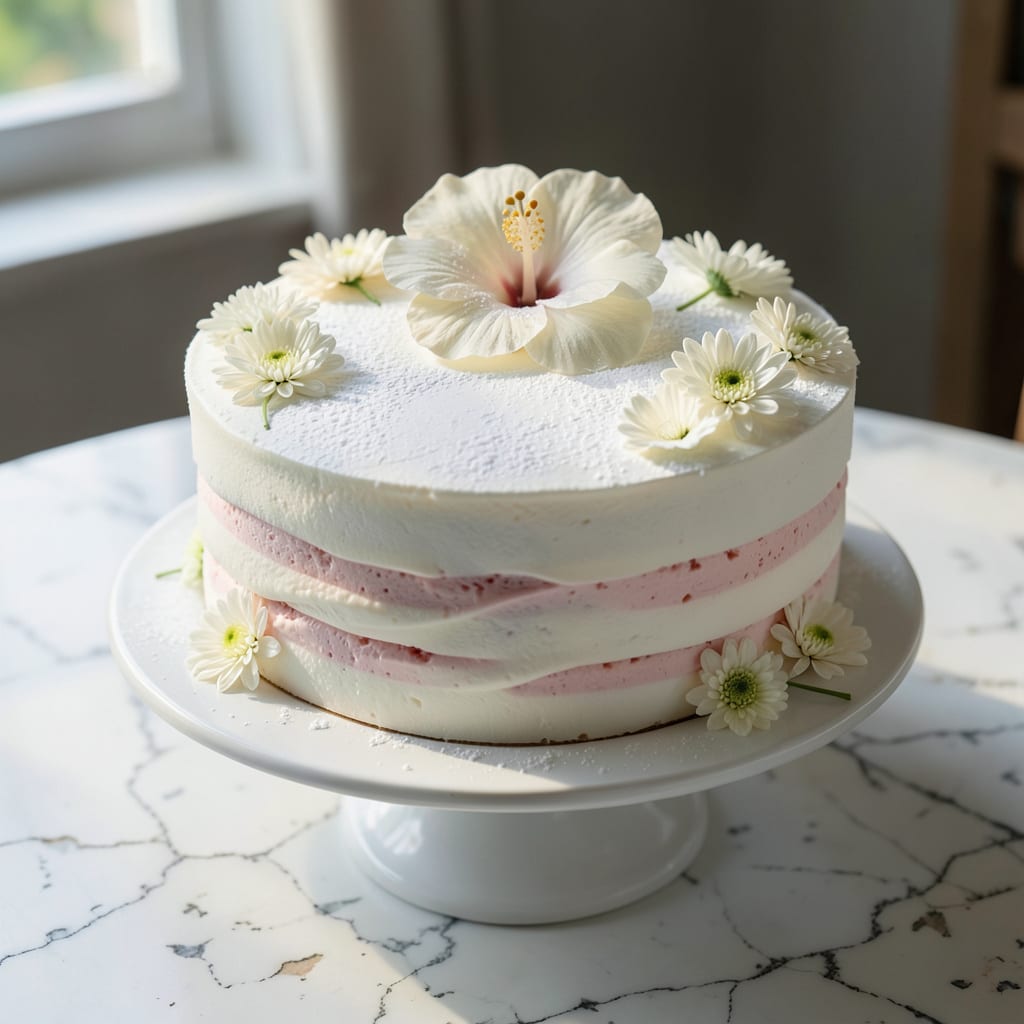
White Chiffon hibiscus stopped me in my tracks the first time I saw it in full bloom. Those double white flowers with ruffled edges look like something from a fairy tale, not a tough shrub.
It handles heat, drought, and even poor soil better than most ornamentals. Plant it in full sun, give it room to spread, and you’ll get months of blooms with almost no fuss. Perfect for borders, hedges, or a standalone statement piece.
📚 In This Guide
This method delivers healthy, free-flowering shrubs that will reward you with stunning double blooms.
Select a spot with full sun to partial shade, as this variety thrives with at least 6 hours of direct sunlight daily. The more sun it gets, the more abundant the blooms will be. Avoid low-lying areas where cold air settles, as this can damage the plant during unexpected frosts.
Test your soil drainage by digging a 12-inch deep hole and filling it with water. If the water drains within 1 hour, the location is ideal. White Chiffon prefers well-draining soil but tolerates a range of soil types, including clay, as long as it’s not waterlogged.
Loosen the soil in a 2-3 foot wide area to encourage strong root development. Mix in a 2-3 inch layer of organic matter like compost or aged manure to improve fertility and drainage. This step ensures the shrub establishes quickly and produces vibrant blooms.
Check the soil pH—hibiscus syriacus prefers a range of 6.0 to 7.5. If your soil is too acidic, add lime to raise the pH. A simple soil test kit will give you the information you need to make adjustments before planting.
Dig a hole that is twice as wide and just as deep as the root ball. Gently remove the plant from its container and loosen any tightly bound roots to encourage outward growth. Place the shrub in the hole so the top of the root ball is level with the surrounding soil.
Backfill the hole with the amended soil, tampering it down lightly to remove air pockets. Water thoroughly with 1-2 gallons of water to settle the soil around the roots. This initial watering is critical to help the plant establish in its new home.
Apply a 2-3 inch layer of organic mulch, such as wood chips or shredded bark, around the base of the plant. Keep the mulch 3-4 inches away from the stem to prevent rot. Mulching helps retain moisture, suppress weeds, and regulate soil temperature.
Water deeply once a week during the first growing season, or more often if the weather is particularly hot or dry. You’ll know it’s time to water when the top inch of soil feels dry to the touch. Once established, White Chiffon is fairly drought-tolerant but blooms best with consistent moisture.
Prune in late winter or early spring before new growth begins. Remove any dead, damaged, or crossing branches first. Then, shape the shrub by cutting back one-third of the oldest stems to the ground to encourage new, vigorous growth.
This variety blooms on new wood, so pruning at the right time ensures you won’t sacrifice the season’s flowers. After pruning, apply a balanced fertilizer to support the new growth that will produce the stunning double blooms White Chiffon is known for.
Here’s what I’ve learned to keep these shrubs thriving in any garden.
Sunlight Priority: The 6 hours of direct sunlight daily mentioned in Step 1 isn’t just a suggestion—it’s essential for those abundant double blooms. If your garden only gets morning sun, choose a spot that maximizes exposure. I’ve seen shrubs struggle in deep shade, producing sparse, lackluster flowers.
Drainage Test: Don’t skip the 12-inch deep drainage test from Step 1. If water doesn’t drain within 1 hour, consider raising the planting area or amending the soil with sand or grit. White Chiffon hates wet feet, and root rot can set in quickly in poorly drained spots.
Planting Depth: In Step 3, resist the urge to bury the root ball too deep. The top should be level with the surrounding soil—planting too low can suffocate the roots and lead to poor growth. I made this mistake once and lost a shrub within weeks.
Pruning Timing: Step 5’s late winter or early spring pruning window is non-negotiable. Pruning later in the season risks cutting off new growth that would produce this year’s blooms. Stick to the schedule, and you’ll be rewarded with vigorous, flower-packed stems.
This shrub typically reaches 8–12 feet tall and 6–10 feet wide, making it ideal for hedges or focal points. Regular pruning can maintain a smaller size if needed.
Expect stunning double white blooms from mid-summer to early fall. It thrives in full sun and well-drained soil, producing flowers consistently during this period.
For similar elegance, try Hibiscus syriacus ‘Diana’ (pure white) or ‘Minerva’ (pink with a red eye). Both offer long bloom seasons and low maintenance.
Common issues include insufficient sunlight, over-fertilizing (especially with high nitrogen), or pruning at the wrong time. Prune in late winter or early spring to encourage blooms.
Moderately! While no plant is deer-proof, its woody stems and slightly bitter foliage make it less appealing than other garden plants.
