
Beautiful Plants For Your Interior
Beautiful Plants For Your Interior
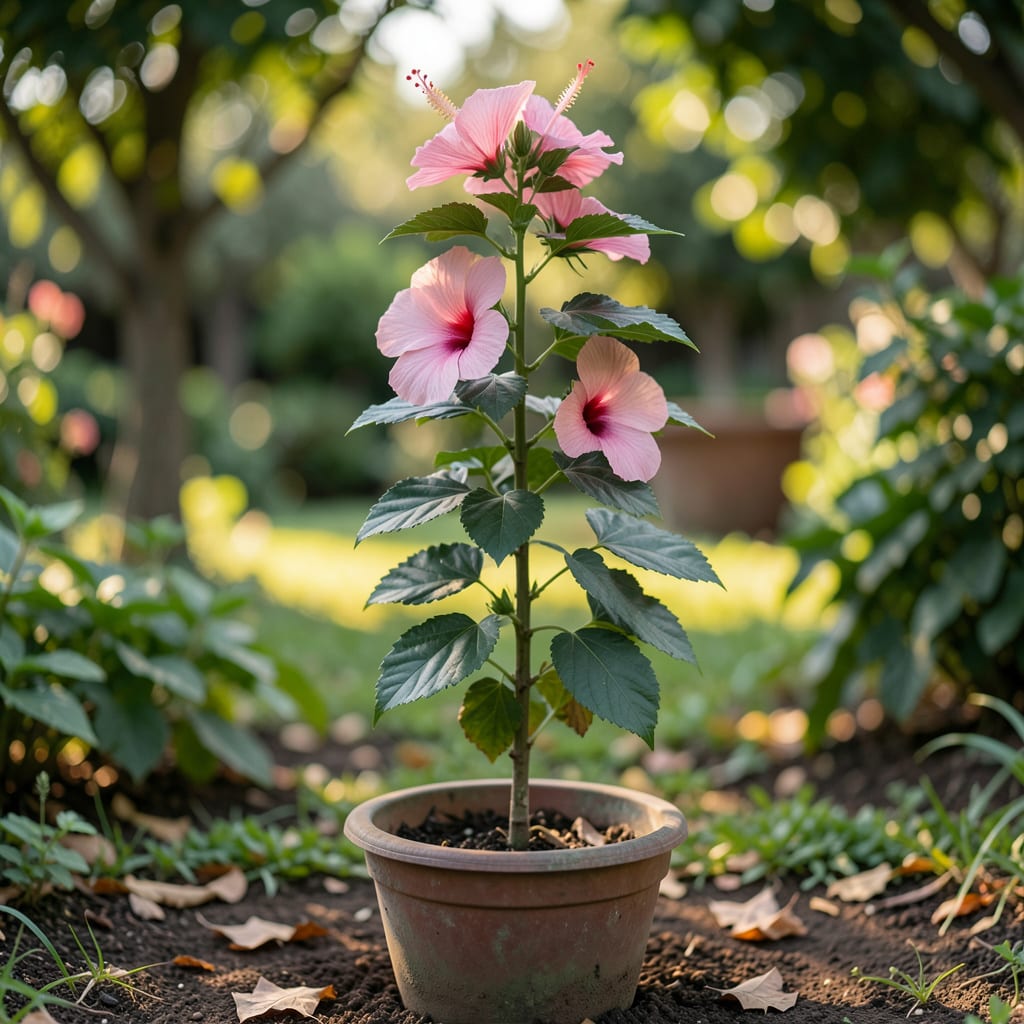
I still remember the excitement of planting my first 🌺 Hibiscus in USDA Zone 6 – watching it grow 3-6 feet tall was a true gardening thrill. But how tall can these beautiful plants really get?
Understanding Hibiscus growth potential is key to creating the perfect garden display, whether you’re working with compact varieties or letting them reach their full height. Let’s explore what to expect and how to support their growth.


Understanding what influences Hibiscus height is crucial for gardeners. The variety of Hibiscus you’re growing plays a significant role in determining its height. For instance, dwarf varieties typically grow between 3-4 feet tall, while standard varieties can reach heights of 5-6 feet or more 🌺.
Climate is another critical factor. Hibiscus plants thrive in warm temperatures and full sun, which can promote healthy growth. In ideal conditions, with ample sunlight and warmth, Hibiscus plants can grow quite tall. Soil quality also impacts height, as well-draining soil rich in nutrients supports robust growth.
Care practices, such as watering and fertilizing, also affect Hibiscus height. Consistent moisture and regular feeding with a balanced fertilizer can encourage plants to reach their full height potential. However, overwatering can lead to root rot, stunting growth.
The age of the plant is another factor to consider. Younger Hibiscus plants will naturally be shorter than mature ones. As the plant matures, it will continue to grow taller, assuming it receives proper care.
Pruning practices can also influence the height of Hibiscus plants. Regular pruning can help control the plant’s size and encourage bushier growth. By pruning back tall stems, you can promote a more compact, fuller plant.
Understanding these factors can help you better manage your Hibiscus plants and achieve the desired height. Whether you’re growing Hibiscus in containers or in the ground, being mindful of these influences will support healthy, vigorous growth 🌿.
For gardeners in USDA Zone 6, where the last frost date is around April 15 and the first frost date is around October 15, Hibiscus plants typically thrive during the warmer months. Ensuring they receive adequate care during this time can help them reach their maximum height potential.
By considering the variety, climate, soil quality, and care practices, you can optimize the growth of your Hibiscus plants. This comprehensive approach will help you enjoy these beautiful plants at their best, whether they’re 3 feet or 6 feet tall 🌼.
Regular monitoring and adjustments to care practices can further support the health and height of your Hibiscus. By staying attentive to the needs of your plants, you can create a vibrant and thriving garden display.
Controlling Hibiscus height requires a combination of proper care techniques and regular maintenance. One of the most effective ways to manage height is through pruning. By pruning your Hibiscus regularly, you can encourage bushier growth and prevent the plant from becoming too leggy 🌿.
Pruning should be done during the active growing season, typically in spring and early summer. Remove any dead or damaged branches to promote healthy growth and encourage the plant to focus its energy on producing new stems and flowers.
Cut back dead branches and shape the plant
Regularly check for new growth and adjust pruning as needed
Provide support for tall varieties to prevent damage
In addition to pruning, staking can be an effective way to manage Hibiscus height, especially for taller varieties. By providing support, you can prevent the plant from becoming too top-heavy and reduce the risk of damage from wind or rain 🌺.
Container gardening is another technique for controlling Hibiscus height. Growing Hibiscus in containers allows you to control the soil quality and moisture levels more easily, which can help manage the plant’s overall size.
When growing Hibiscus in containers,
By combining these techniques – pruning, staking, and container gardening – you can effectively manage the height of your Hibiscus plants and create a beautiful, thriving garden display.
Regular maintenance is key to keeping your Hibiscus plants healthy and at the desired height. By staying on top of pruning, staking, and overall care, you can enjoy your Hibiscus at its best.
For gardeners in USDA Zone 6, where Hibiscus plants are typically treated as annuals or brought indoors during winter, managing height is crucial for ensuring the plant survives the growing season and thrives.
By following these tips and techniques, you can successfully manage the height of your Hibiscus plants and enjoy their beautiful blooms throughout the growing season 🌼.
When it comes to Hibiscus plants, understanding the different varieties is crucial for gardeners. The height of these plants can vary significantly depending on the type 🌺.
Dwarf varieties are a popular choice for gardeners with limited space. These compact plants typically grow between 3-4 feet tall, making them ideal for containers or small gardens. Their compact size doesn’t compromise on the beautiful, large flowers that Hibiscus plants are known for.
Tropical Hibiscus are known for their vibrant flowers and can grow quite tall, often reaching heights of 5-6 feet or more in ideal conditions. These plants thrive in warm climates and require regular care to maintain their health and promote blooming 🌿.
Hardy Hibiscus, on the other hand, are more tolerant of cooler temperatures and can also grow to be quite tall, though generally not as tall as tropical varieties. They are a good choice for gardeners in cooler climates and can add a dramatic touch to the garden with their large flowers.
Understanding the growth habits of different Hibiscus varieties can help gardeners choose the right plants for their needs and ensure they provide the appropriate care 🌼.
By comparing the different types of Hibiscus, gardeners can make informed decisions about which varieties to grow and how to care for them effectively.
For gardeners in USDA Zone 6, selecting the right Hibiscus variety is particularly important due to the climate conditions. Hardy varieties are often more suitable for this zone, as they can tolerate the cooler temperatures.
Ultimately, the right Hibiscus variety can add beauty and vibrancy to any garden, providing stunning flowers and a touch of tropical charm 🌺.
Hibiscus plants can grow between 3-6 feet tall, depending on the variety. Dwarf varieties typically reach 3-4 feet, while standard varieties can grow up to 5-6 feet or more. The height is influenced by factors like climate, soil quality, and care practices.
You can manage Hibiscus height through regular pruning, staking for taller varieties, and container gardening. Pruning during the active growing season encourages bushier growth and prevents legginess. Staking provides support for tall plants, while container gardening helps control overall size.
Tropical Hibiscus can grow quite tall, reaching heights of 5-6 feet or more in ideal conditions. Hardy Hibiscus are generally not as tall but can still grow to be quite large. The height difference is due to their varying tolerance to cooler temperatures.
Prune your Hibiscus during the active growing season, typically in spring and early summer. Regular pruning helps control height and promotes healthy, bushy growth. Remove any dead or damaged branches to encourage new stems and flowers.
