
Beautiful Plants For Your Interior
Beautiful Plants For Your Interior
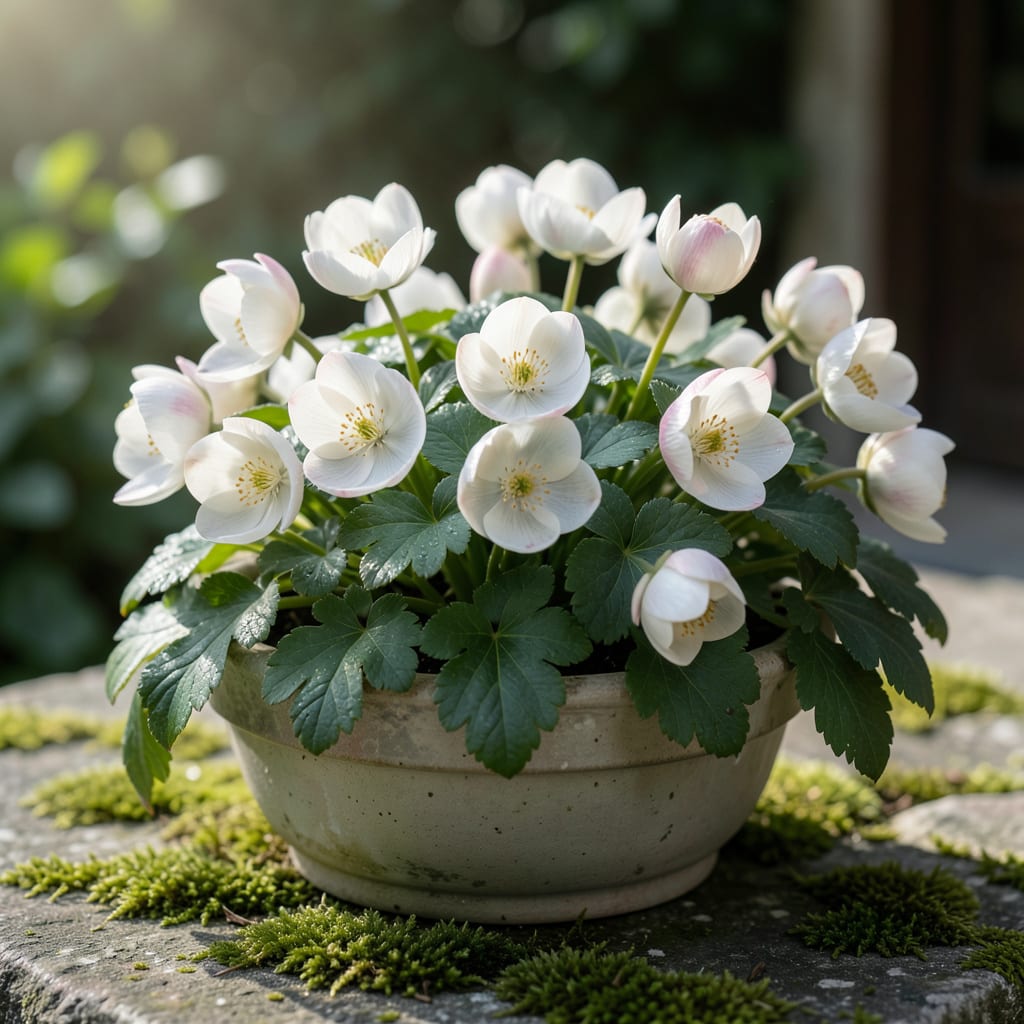
White blooms in December? That first winter I saw Molly’s White pushing through snow changed how I think about shade gardens. These hellebores laugh at frost while most plants nap.
They ask so little: dappled light, well-draining soil, and occasional water. In return, you get months of elegant white flowers and glossy evergreen foliage. I planted mine under maples where nothing else thrives.
📚 In This Guide
Here’s the method I use to establish these shade-loving perennials for long-term success.
Select a site with partial to full shade, especially in warmer climates. These plants thrive under trees or on the north side of buildings where they receive dappled sunlight or morning sun only. Avoid areas with harsh afternoon exposure.
Ensure the soil drains well but retains some moisture. Dig a hole twice as wide as the root ball but no deeper. If your soil is heavy clay, amend it with compost to improve drainage—helleborus roots rot in soggy conditions.
Loosen the soil at the bottom and sides of the hole to encourage root spread. I always rough up the sides with my trowel to prevent roots from circling in the planting hole. This step prevents future growth issues.
Mix a handful of compost into the excavated soil. The added organic matter gives roots a nutrient boost while improving soil structure. Don’t add fertilizer at planting time—it can burn tender roots.
Place the plant in the hole so the crown sits 1 inch above the surrounding soil level. Helleborus planted too deep will rot. Gently spread the roots outward if they’re pot-bound from the nursery container.
Backfill with the amended soil, pressing lightly to eliminate air pockets. Water thoroughly to settle the soil around the roots. You’ll see the plant establish faster with this immediate hydration.
Apply a 2-inch layer of organic mulch like shredded bark around the plant, keeping it away from the crown. Mulch maintains soil moisture and regulates temperature while suppressing weeds that compete for nutrients.
Water deeply once a week during the first growing season unless rainfall provides 1 inch of moisture. After establishment, these plants are quite drought-tolerant but perform best with consistent moisture during active growth periods.
Remove old or damaged leaves in late winter before new growth emerges. This cleaning improves appearance and reduces disease risk. I simply cut back the previous year’s foliage to the base with clean shears.
Apply a balanced, slow-release fertilizer in early spring as new growth appears. Avoid high-nitrogen fertilizers that promote leafy growth at the expense of flowers. These plants bloom best with moderate fertility levels.
Here’s what I’ve learned through trial and error to help your hellebores thrive.
Lighting Wisdom: In Step 1, don’t underestimate the importance of shade. Even in mild climates, harsh afternoon sun can scorch the delicate petals of Molly’s White. If your garden gets partial sun, prioritize morning light and dappled shade under trees for the best results.
Drainage is Non-Negotiable: The warning in Step 1 about soggy soil isn’t just caution—it’s critical. If your soil is heavy clay, amending with compost as directed is the difference between a thriving plant and one that rots from the roots up. Trust me, I learned this the hard way.
Crown Placement Matters: Step 3’s instruction to plant the crown 1 inch above soil level might seem fussy, but it prevents crown rot, a common killer of hellebores. Use a ruler if you need to—this small detail ensures long-term health.
Mulch with Precision: The 2-inch mulch layer in Step 4 helps retain moisture, but keep it away from the crown. Piling mulch against the base can trap moisture and lead to rot. Shredded bark works best, but straw or pine needles are good alternatives if that’s what you have on hand.
Keep the soil consistently moist but well-drained. Partial to full shade is ideal, and mulching helps retain moisture. Remove old or damaged leaves in late winter to encourage new growth.
This variety typically blooms in late winter to early spring, often while snow is still on the ground. Flowers can last for several weeks, adding charm to your garden during colder months.
Yes! Use a large container with good drainage. Fill it with rich, well-draining potting mix and place it in a shaded spot. Ensure the container is protected from extreme cold.
Yellowing leaves may indicate overwatering, poor drainage, or nutrient deficiencies. Check soil moisture and ensure proper drainage. A balanced fertilizer can help restore health.
Pair it with other shade-loving perennials like hostas, ferns, or lungwort. These combinations create a lush, layered look in your garden while complementing its elegant blooms.
