
Beautiful Plants For Your Interior
Beautiful Plants For Your Interior
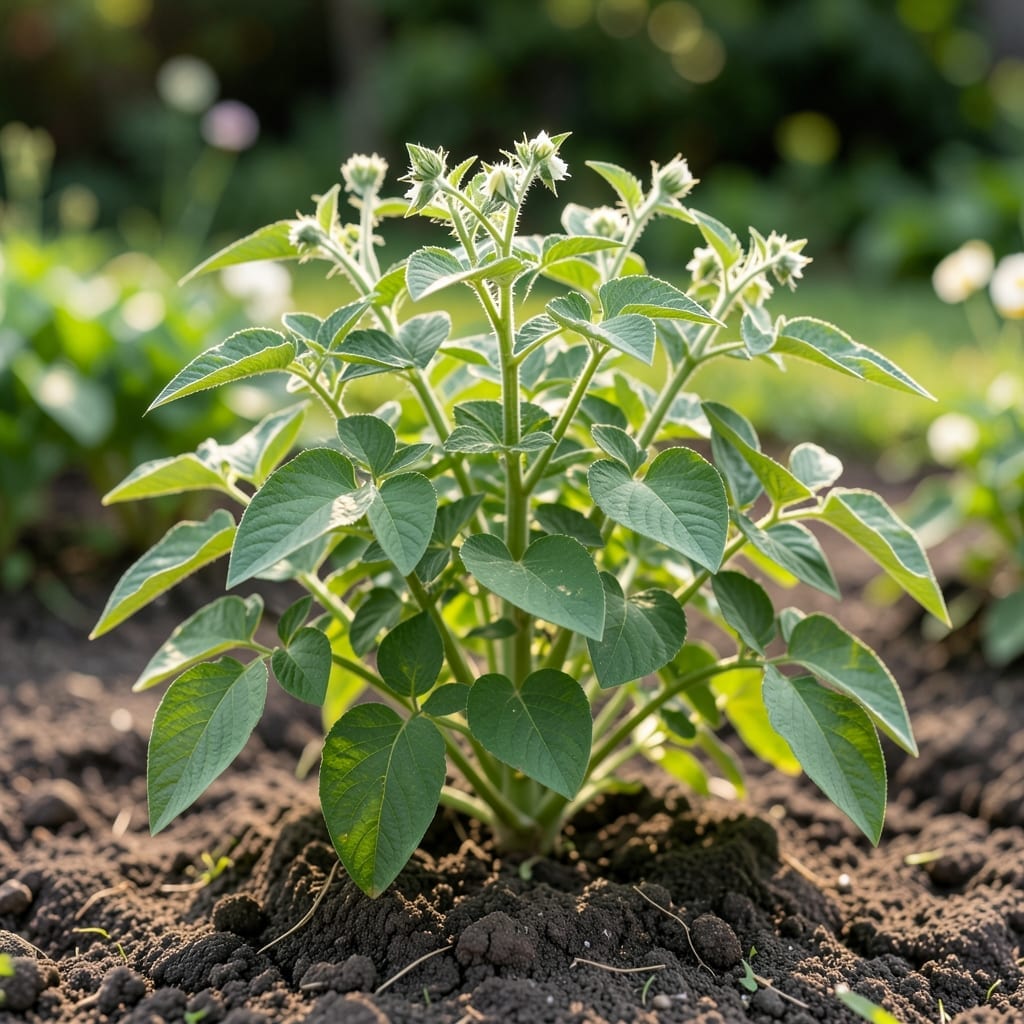
Understanding how tall your Potato 🥔 plants should grow can make all the difference in your garden. It’s not just about planting and hoping for the best.
Healthy plants typically reach 2-3 feet, but several factors can influence this. From variety to growing conditions, each detail matters.
I’ll share what affects their height and how you can create the ideal environment for robust growth. You’ll learn to spot potential issues early.
Discover simple yet effective tips to ensure your plants thrive and reach their full potential this season.

If you’re growing potato plants, you might wonder how tall they should be. Most mature potato plants reach 2 to 3 feet in height, though this can vary by variety and growing conditions.
Early varieties like Yukon Gold tend to stay on the shorter side, around 1.5 to 2 feet, while indeterminate varieties like Russet can grow taller, sometimes exceeding 3 feet under ideal conditions.
| Variety | Typical Height Range |
|---|---|
| Early Varieties | 1.5 to 2 feet |
| Mid-Season Varieties | 2 to 2.5 feet |
| Late Varieties | 2.5 to 3 feet |
| Indeterminate Varieties | Up to 4 feet |
Growth habit also plays a role. Determinate potatoes grow to a set height and stop, while indeterminate potatoes keep growing until conditions change, like daylight reduction or frost arrival.
Environmental factors can impact height too. Full sun exposure (6-8 hours daily) promotes strong stem growth. Poor soil quality or limited space can stunt growth, so ensure your soil is loamy and well-draining.
Watering also matters. Consistent moisture helps potatoes reach their full height potential. Aim for 1-2 inches of water per week, especially during tuber formation.
Temperature affects growth as well. Cool weather (60-70°F) is ideal for potato plants. Extreme heat can stress plants, leading to shorter stature and reduced yields.
If your potatoes aren’t reaching expected heights, check for pests like aphids or diseases such as blight. These can weaken plants and limit growth. Regular inspection and care keep them healthy.
For the best results, rotate crops and avoid planting potatoes in the same spot yearly. This prevents soil depletion and disease buildup, ensuring robust growth season after season.
With the right conditions, your potato plants will thrive, reaching their ideal height and producing a bountiful harvest. 🌱
I always check my potato plants’ height as a key indicator of their health. A 2-3 foot tall plant typically signals strong growth, while anything under 1 foot may need attention. Healthy height often correlates with better tuber production below the soil.
When my potato plants reach their mature height range, I know they’re on track for a good harvest. Shorter plants might be struggling with nutrient deficiencies or poor soil conditions. Monitoring height helps me adjust care before problems escalate.
🌱 Key Insight:
Optimal height of 2-3 feet indicates healthy potato plants with good yield potential. Stunted growth often signals nutrient or water issues.
I’ve found that consistent watering and balanced fertilization help maintain ideal height. Over-fertilizing can cause excessive leafy growth at the expense of tuber development, so I stick to a 5-10-10 NPK ratio every 4-6 weeks.
Sunlight exposure directly impacts height too. My plants in full sun (6-8 hours daily) always grow taller and produce more uniform tubers than those in partial shade. I
If your plants are too tall and spindly, they might be reaching for light. I solve this by thinning seedlings to reduce competition. For stunted plants, a soil test often reveals missing phosphorus or potassium.
Remember, variety matters. Early potatoes typically stay 1-2 feet tall, while late varieties can reach 3 feet. I always check seed packet info to set proper height expectations for each type I plant. ☀️