
Beautiful Plants For Your Interior
Beautiful Plants For Your Interior
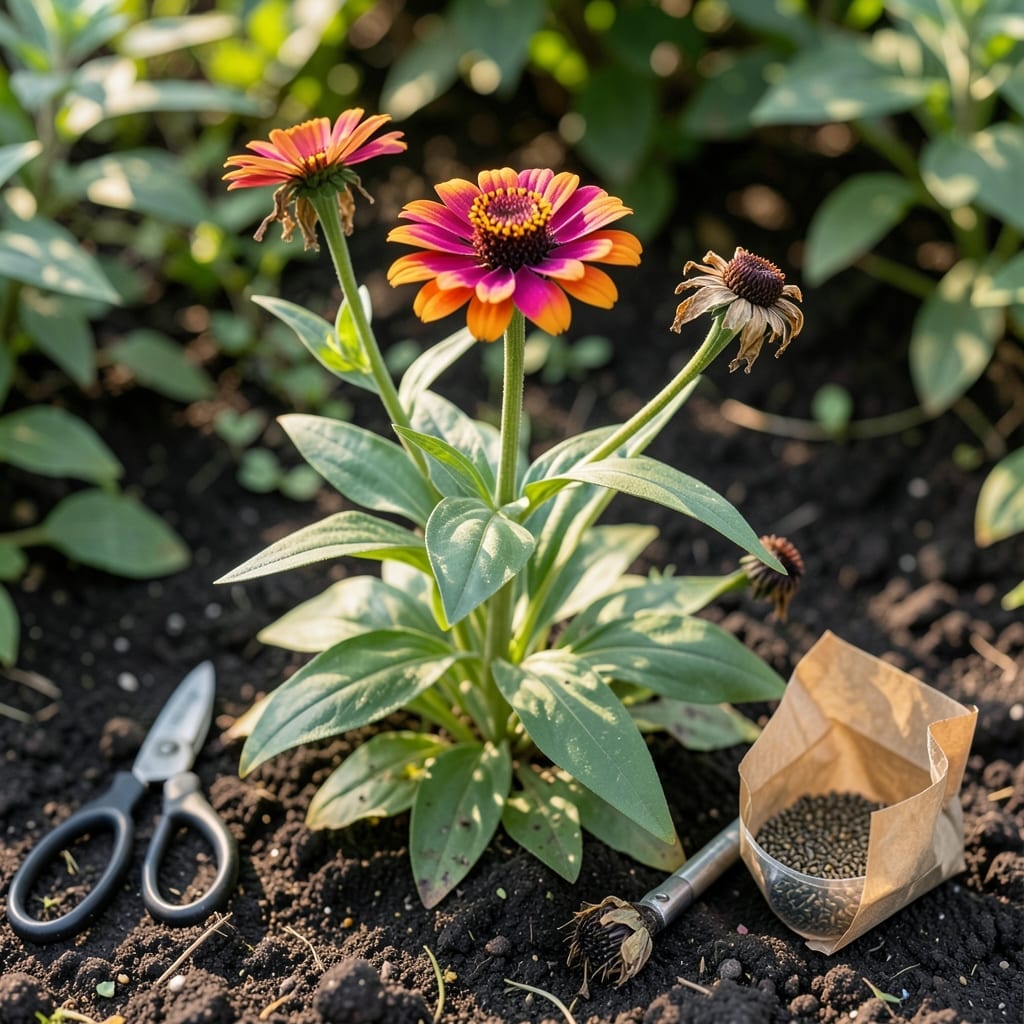
Imagine filling your garden with vibrant 🌼 Zinnia blooms next year without spending a penny. It all starts with knowing how to collect seeds at just the right moment.
Timing is everything when it comes to harvesting Zinnia seeds. Picking too early means immature seeds that won’t sprout, while waiting too long risks losing them to wind or weather.
I’ll walk you through the simple signs to look for and the easiest methods to gather seeds that promise a colorful return. No fancy tools required—just a little patience and know-how.
Let’s discover how to turn this season’s flowers into next year’s garden stars with these proven techniques.


Timing is everything when harvesting zinnia seeds. I always wait until the flower heads are completely dry and brown, which usually happens 60-90 days after planting. This is when the seeds are at their peak viability.
You’ll know they’re ready when the petals have fallen off and the seed head turns a dry, papery brown. If you shake it gently, you should hear the seeds rattling inside.
| Readiness Sign | Description |
|---|---|
| Color Change | Seed head turns brown and brittle |
| Sound Test | Seeds rattle inside when shaken |
| Stem Check | Stem below head snaps easily |
| Petal Drop | All petals have fallen naturally |
The worst mistake I see gardeners make is harvesting too early. If the seed head still has colorful petals or feels soft to touch, the seeds aren’t mature enough. These immature seeds rarely germinate.
Late summer to early fall is typically the best time, as this aligns with the zinnia’s natural lifecycle. In most zones, this means August through October for outdoor plants. I find the seeds are most viable when collected on a dry, sunny day.
Another telltale sign is the stem condition. When the stem below the seed head turns yellow and dries out, it’s a clear indicator that the seeds are ready. This usually happens about 2-3 weeks after the flower has finished blooming.
For the best results, I recommend checking your plants daily once they start showing these signs. Zinnia seeds can go from perfect to overripe quickly, especially in hot, dry weather. Overripe seeds may start to disperse naturally, so timing is crucial.
If you’re growing multiple zinnia varieties, remember that different cultivars may mature at slightly different rates. I’ve noticed that dwarf varieties often mature faster than tall varieties, so keep an eye on each plant individually.
Once you’ve confirmed the seeds are ready, the next step is to collect them properly. But that’s a topic we’ll cover in the next section. For now, just focus on these visual cues to ensure you’re harvesting at the optimal time.
Proper timing now means stronger plants and more vibrant blooms next season 🌼
I always wait until the flower heads are fully dry and brown before harvesting. This usually happens 60-90 days after the blooms first appear, depending on your climate and variety.
You’ll know they’re ready when the petals have fallen off and the seed heads feel brittle to the touch. A gentle shake should make the seeds rattle inside. ☀️
For best results, I recommend harvesting on a dry, sunny day. Any moisture can lead to mold, which ruins your seed stash before you even get to plant it.
Once the seeds are free from the head, spread them on a paper towel for another week to ensure complete dryness. This extra step prevents premature sprouting in storage.
I store my seeds in paper envelopes labeled with the variety and date. Avoid plastic bags, as they trap moisture and reduce seed viability over time.
With proper care, your zinnia seeds can remain viable for 3-5 years. That’s years of beautiful blooms from a single harvest! 🌼