
Beautiful Plants For Your Interior
Beautiful Plants For Your Interior
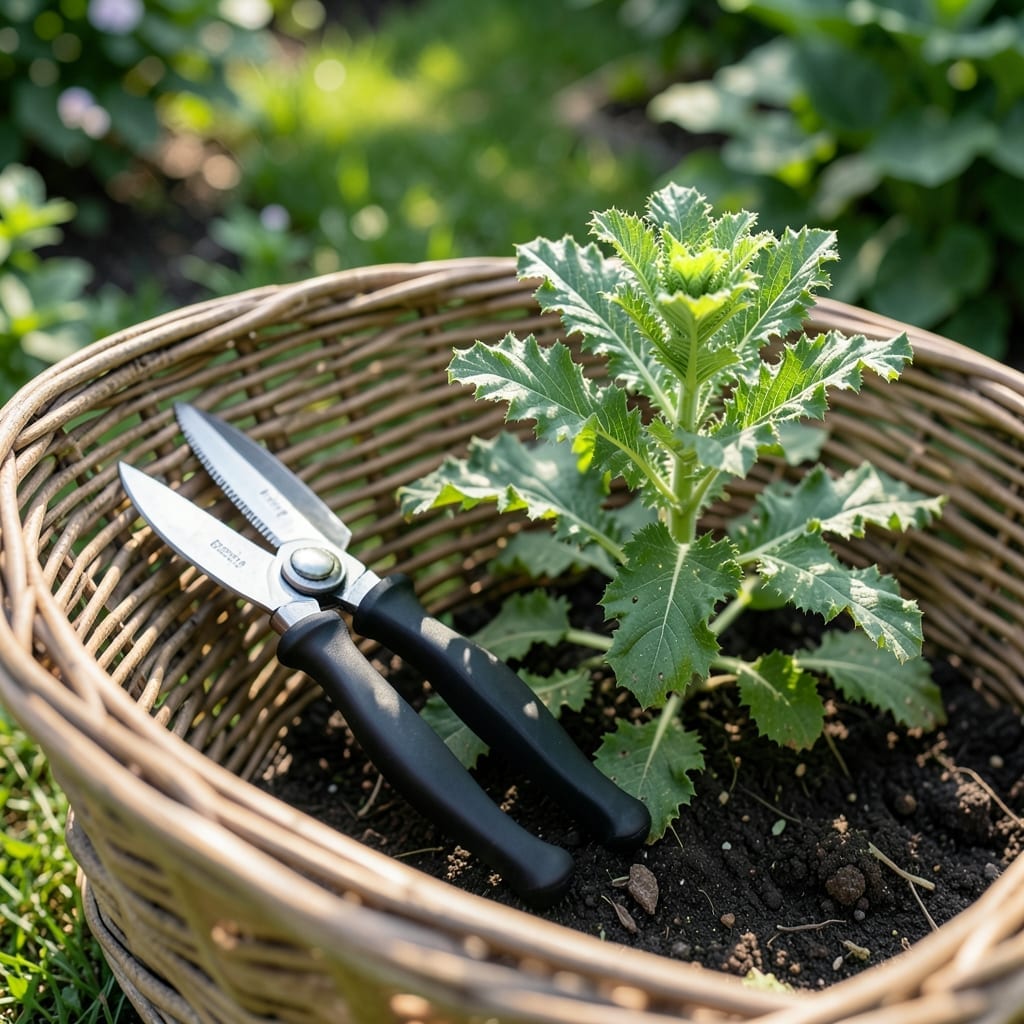
There’s something magical about foraging your own Wild Lettuce 🥬, but knowing when and how to harvest it safely makes all the difference.
Timing is everything—picking too early or too late can affect both flavor and potency. I’ve learned the hard way that patience and precision are key.
This guide will walk you through the best practices for gathering Wild Lettuce responsibly, ensuring you get the most out of your harvest while protecting the plant.
Discover the simple yet effective methods that make harvesting Wild Lettuce a rewarding and sustainable experience.

Timing is everything when harvesting wild lettuce. I always check for mature leaves that are 4-6 inches long and vibrant green. The stem should be firm but not woody, which means it’s ready.
The best window is late spring to early fall, typically May through October. I avoid harvesting once the plant starts flowering, as the leaves turn bitter and less potent.
| Stage | Sign | Action |
|---|---|---|
| Early Growth | Leaves under 4 inches | Wait to harvest |
| Peak Maturity | 4-6 inch leaves | Harvest now |
| Late Stage | Flowering begins | Avoid harvesting |
| Stem Check | Firm but not woody | Ideal time |
I’ve found that morning harvesting yields the best sap flow. The leaves are most potent just after dew evaporates but before the midday heat sets in. This timing preserves the plant’s natural compounds.
Another key sign is the sap consistency. When I break a leaf, if the sap is milky and thick, the plant is at peak potency. Thin or clear sap means it’s either too young or past its prime.
For seasonal timing, I stick to May through October in most regions. In cooler climates, the window might shift earlier, so I always monitor plant growth closely.
I also pay attention to the leaf texture. Young leaves should feel tender and smooth, while older leaves can become tough. If the leaves feel leathery or fibrous, I know it’s too late for a good harvest.
The plant’s height can be a clue too. Wild lettuce typically reaches 3-6 feet at maturity. If it’s shorter than 2 feet, I give it more time to develop.
Finally, I avoid harvesting after heavy rain or during drought conditions. Wet leaves can promote mold, while drought-stressed plants may have concentrated bitterness that affects flavor.
By following these signs, I ensure each harvest is flavorful, potent, and sustainable for the plant’s future growth.☀️
I always prioritize ethical foraging when harvesting wild lettuce. The key is to take only what you need and leave enough for the plant to regrow and sustain local wildlife. This ensures the ecosystem remains balanced.
Using the right tools makes a difference. I recommend sharp scissors or pruning shears to make clean cuts, which helps the plant recover faster and reduces the risk of disease.
I find that hand-picking works well for smaller harvests. Gently snap off outer leaves first, allowing the inner growth to continue developing. This method is less invasive and keeps the plant healthy.
For larger plants, I focus on the upper stems and young leaves, as these contain the highest concentration of beneficial compounds. Avoid harvesting wilted or damaged foliage to maintain quality.
Sustainability also means rotating harvest locations. I never take from the same patch repeatedly in one season to give the plants time to recover and thrive for future collections.
Finally, always store your harvest in a cool, dry place to preserve freshness. I use paper bags or mesh containers to allow airflow and prevent mold growth. ☀️