
Beautiful Plants For Your Interior
Beautiful Plants For Your Interior
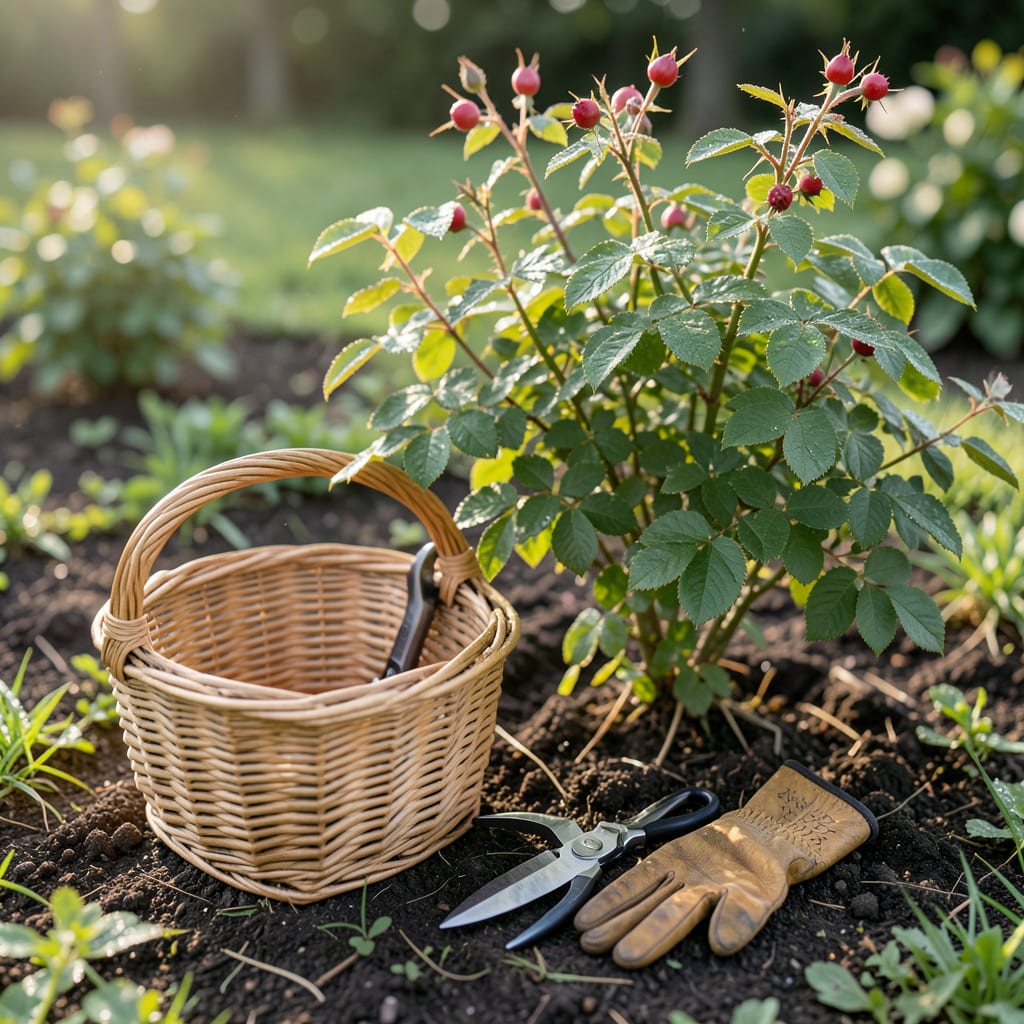
Wild Rose Hip 🌹 bushes are brimming with hidden treasures, but knowing when to pick makes all the difference. These vibrant fruits pack a powerful nutritional punch.
I’ll show you how to forage them at peak ripeness for the best flavor and health benefits. Let’s get started on your wild harvesting journey.


I’ve found that wild rose hips reveal their readiness through vibrant color changes and subtle texture shifts. Look for fruits that have turned a deep red or orange hue, signaling peak ripeness.
The best time to check is in late summer through fall, when these nutrient-packed gems are most abundant on the bush.
I always check for firmness first—overripe hips become mushy, while underripe ones feel hard. A perfect specimen should give slightly under gentle finger pressure, like a ripe peach.
The season matters too. In my experience, September through November yields the best harvest, depending on your USDA zone. Cooler climates may see ripe hips earlier.
Don’t overlook the stem connection. Ready hips separate easily from the plant with a gentle twist, while unripe ones cling tightly. This simple test prevents premature picking.
I’ve noticed that wild rose hips growing in full sun often ripen faster than those in shaded areas. Always scout multiple bushes to find the most mature specimens.
For the Rosa canina species, I look for elongated, orange-red hips. Meanwhile, Rosa rugosa produces rounder, darker fruits that are easier to spot against the green foliage.
Remember that first frost can affect quality. I try to harvest before the first hard freeze, as cold temperatures can make the hips soft and less flavorful.
Finally, I always carry a small basket or bag to collect my findings. This keeps my hands free to carefully examine each hip before picking. Happy foraging! 🌿
I always start my wild rose hip harvest in early morning when the fruits are firm and dew has dried. This timing helps preserve their nutritional value and freshness.
The right tools make all the difference. I bring sharp pruning shears and thick gardening gloves to protect against thorns while ensuring clean cuts.
I focus on sustainable harvesting by never taking more than 30% of hips from any single plant. This ensures the bush remains healthy and productive for future seasons.
For the best quality, I pick rose hips that are fully colored but still firm. Overripe ones may have already started to ferment, which reduces their usability.
I avoid harvesting near roadsides or sprayed areas to prevent contamination. Clean, natural environments yield the highest quality wild rose hips for all my gardening needs.
After collecting, I spread my harvest in a single layer to dry in a well-ventilated area. This preserves their flavor and medicinal properties for future use. 🌿
I’ve learned the hard way that harvesting too early is one of the most common mistakes. Picking green or yellow hips means missing out on their peak vitamin C content and sweetness.
Another pitfall is ignoring thorns. Wild rose bushes are notorious for their sharp defenses. I always wear thick gloves to protect my hands while reaching for those vibrant red treasures.
⚠️ Warning: Avoid harvesting near roadsides or agricultural areas where pesticides or pollutants may contaminate your rose hips. Stick to clean, wild environments for the safest harvest.
I’ve also seen beginners overharvest from a single bush. Taking more than 30% of the hips can stress the plant and reduce next year’s yield. Always leave plenty for wildlife and regrowth.
Timing matters too. Harvesting after the first frost can result in mushy, fermented hips that are less useful. I aim to collect mine in late summer or early fall for the best quality.
Finally, don’t forget proper storage. Leaving harvested hips in a sealed container can cause mold. I spread mine in a single layer to dry in a well-ventilated space. 🌿
Early morning is ideal when fruits are firm and fresh. This timing helps preserve their nutritional value and flavor before the day’s heat sets in.
Look for a deep red or orange color with no green patches. They should feel slightly soft under gentle pressure and pull easily from the stem.
Bring sharp pruning shears for clean cuts and thick gloves to protect against thorns. A small basket helps keep your hands free.
Areas near roads may contain pollutants from vehicle emissions. Always choose clean, natural environments far from traffic for the safest harvest.
