
Beautiful Plants For Your Interior
Beautiful Plants For Your Interior
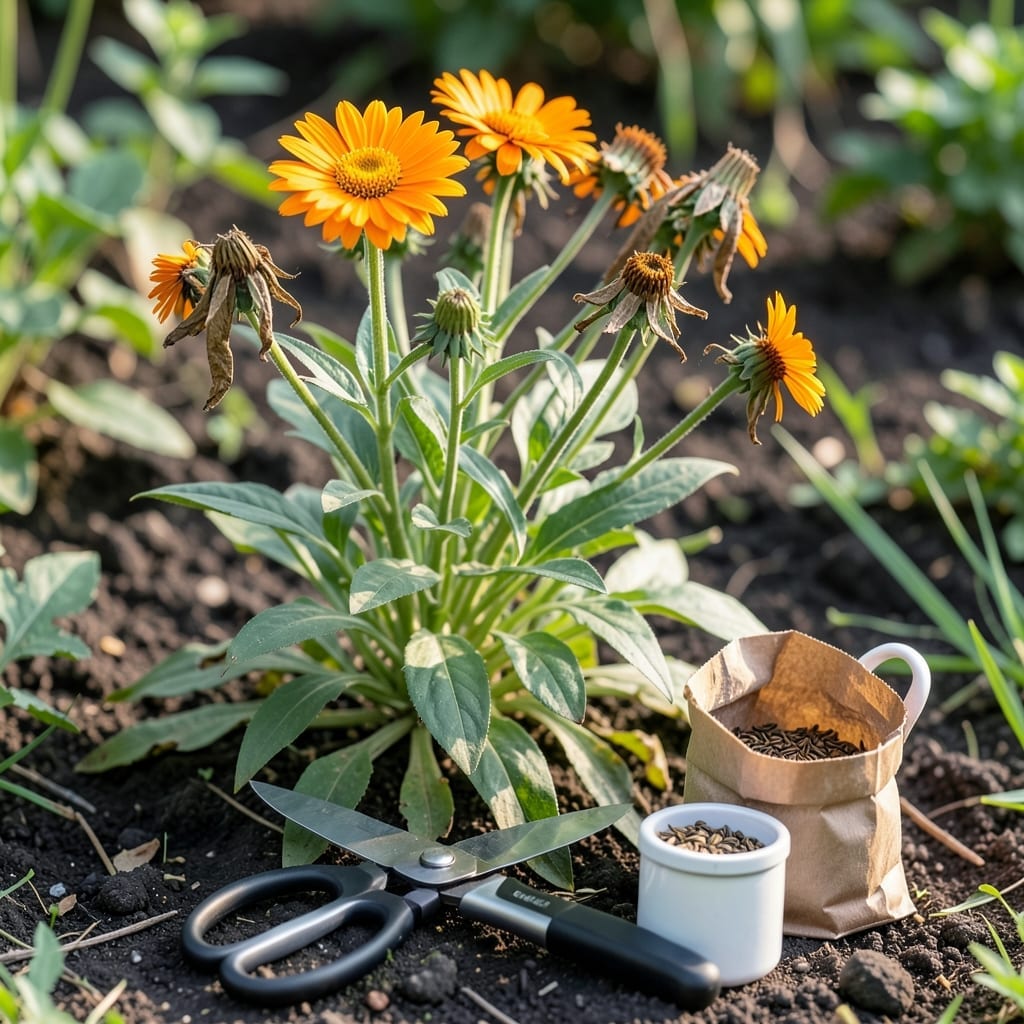
There’s something magical about watching your Calendula 🌼 garden thrive year after year from your own saved seeds. I’ve found that collecting these tiny powerhouses is simpler than most gardeners realize.
What if I told you that with just a little know-how, you could ensure next season’s blooms are even more vibrant? The process begins with recognizing the perfect moment to harvest.
I’ll share the easiest method to gather seeds when they’re at peak viability. You’ll be amazed at how a few minutes of effort now can transform your garden later.
Let’s dive into the simple steps that will have you harvesting like a pro in no time. Your future garden will thank you for starting today.

Harvesting calendula seeds at the right time ensures strong, viable seeds for next season. I always look for fully mature seed heads that have turned dry and brown. This signals the seeds inside are ready. 🌼
Timing is everything. I wait until the petals have fallen off and the center is completely dry. This usually happens 45-75 days after planting, depending on conditions.
I always use a paper bag for drying because it allows airflow while catching loose seeds. Avoid plastic, which can trap moisture and cause mold. The seeds should feel hard and dark when ready. 🌱
For best results, harvest on a dry, sunny day. Morning is ideal since dew has evaporated but temperatures are still mild. This prevents moisture from affecting seed quality.
If the seed heads aren’t fully dry, I spread them on a paper towel in a single layer. This speeds up drying and prevents clumping. Turn them daily for even exposure.
Once seeds are fully dry, I transfer them to a labeled envelope. I note the harvest date and calendula variety if I’m growing more than one. This helps track viability.
Properly dried seeds can last 3-5 years if stored in a cool, dark, dry place. I keep mine in the basement or a closet away from humidity and light. ✂️
Remember, calendula seeds are easy to collect, but patience is key. Rushing the process can lead to moldy or non-viable seeds. Wait for that perfect dry, brown stage.
By following these steps, I’ve maintained a steady supply of calendula blooms every year. It’s rewarding to see new plants grow from seeds I’ve carefully harvested and stored. 🌻
Once you’ve harvested your calendula seeds, proper storage is key to maintaining their viability for next season. I always let my seeds dry completely before storing them to prevent mold or rot.
For best results, keep your dried seeds in a cool, dark place like a paper envelope or glass jar. This protects them from moisture and light, which can reduce their lifespan.
I recommend labeling your containers with the harvest date and seed variety. This helps you track their age and ensures you use the oldest seeds first.
Avoid storing seeds in plastic bags as they can trap moisture. Instead, opt for breathable materials like paper or cloth to maintain airflow.
With the right conditions, your calendula seeds can remain viable for 3-5 years. I’ve had great success germinating seeds stored this way.
Finally, check your stored seeds occasionally for signs of moisture or pests. A little care now means a beautiful garden later! 🌼