
Beautiful Plants For Your Interior
Beautiful Plants For Your Interior
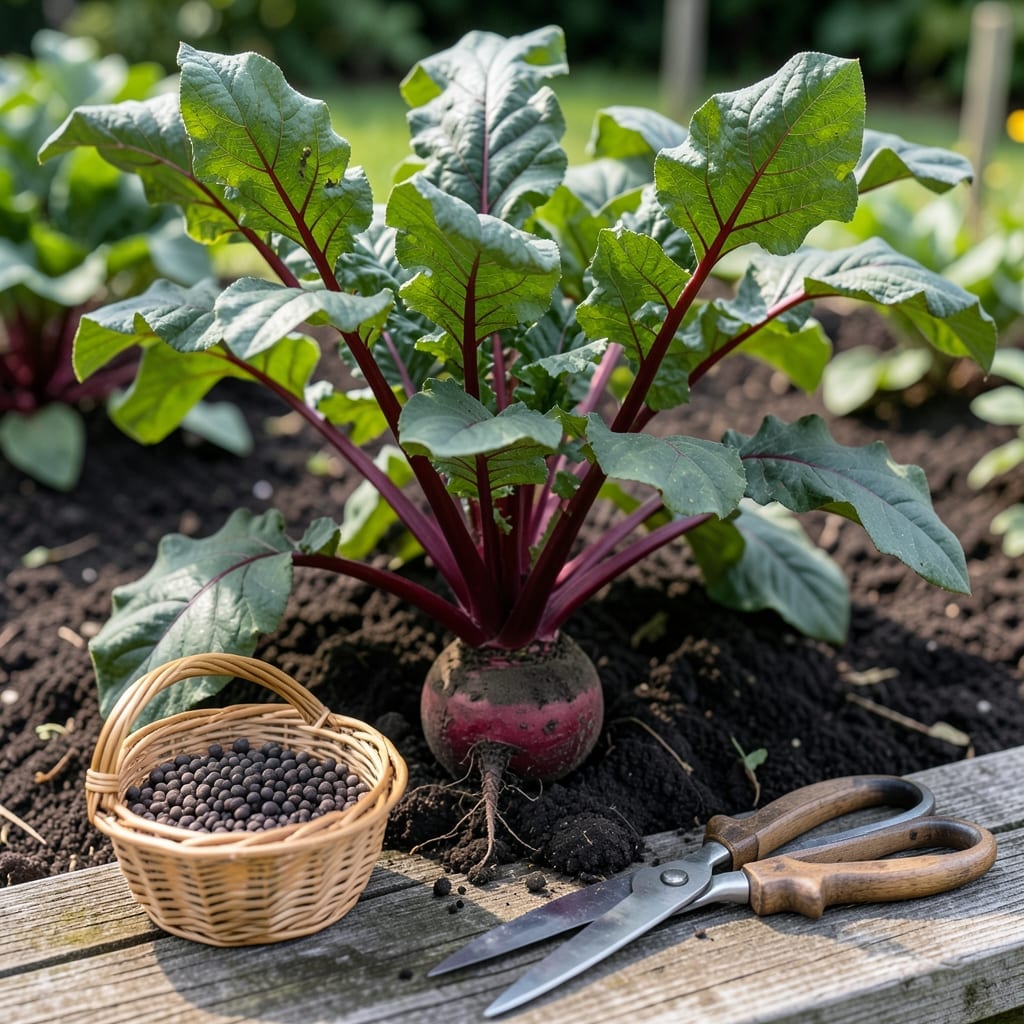
Imagine never having to buy beetroot seeds again. Saving your own from the 🥬 Beetroot in your garden is easier than you think and has some surprising benefits.
Not only does it save you money, but it also lets you preserve those special heirloom varieties you love. Plus, your plants will adapt perfectly to your garden’s unique conditions over time.
I’ll walk you through the simple process of selecting the best beetroot plants and knowing exactly when to harvest those seeds for maximum viability.
Discover how to collect, dry, and store your beetroot seeds so they’re ready for next season. Let’s get started on this rewarding garden project.

Beetroots are biennial plants, meaning they produce seeds in their second year of growth. I always leave my best first-year beets in the ground over winter to bolt and flower the next spring.
You’ll recognize seed readiness when the flower stalks turn brown and the seed clusters become dry and brittle. This is nature’s signal that the seeds are mature and ready for collection.
The key is patience. Rushing the process often results in immature seeds with poor germination rates. I’ve found that waiting until at least 70% of seeds are dark brown gives the best results.
Always harvest on a dry, sunny day when there’s no morning dew. Moisture can cause mold development during storage, ruining your entire seed crop. I learned this lesson the hard way my first season.
For the best seed quality, choose beetroots that have exhibited desirable traits like sweet flavor, vibrant color, or resistance to bolting. These characteristics will carry over to the next generation of plants.
Remember that cross-pollination can occur between beet varieties. If you’re saving seeds from multiple types, maintain at least 1 mile separation or use isolation cages to prevent unwanted mixing.
Once collected, spread the seed heads on a clean surface in a single layer. A screen or mesh works well to allow airflow on all sides. Turn them daily to ensure even drying.
After drying, the seeds will easily separate from the chaff. Use a fine sieve to remove any remaining plant material. The clean seeds can then be stored in paper envelopes or glass jars.
Label your seeds with the variety name and harvest date. Most beetroot seeds remain viable for 4-6 years when stored properly in a cool, dark place. 🌱
Proper storage is crucial for maintaining beetroot seed viability. I always start by ensuring seeds are completely dry before storing to prevent mold growth. This step can’t be rushed.
After drying, I remove all chaff using a fine sieve. Clean seeds store better and germinate more reliably when planted later.
Storing seeds in plastic bags can trap moisture and cause mold. Always use paper envelopes or glass containers for proper airflow.
For long-term storage, I keep my beetroot seeds in a cool, dark place like a basement or pantry. Temperature fluctuations can reduce viability, so consistency is key.
Label each envelope with the variety name and harvest date. This helps track viability, as beetroot seeds typically remain good for 4-6 years when stored properly.
If you’re saving multiple varieties, consider using separate containers to prevent mixing. I learned this after accidentally combining two beet types one season.
Before planting stored seeds, I always do a germination test by placing a few on a damp paper towel. This confirms viability before committing to a full planting.
Remember that humidity is the enemy of seed storage. Adding a silica gel packet to your storage container can help absorb any excess moisture. 🌱