
Beautiful Plants For Your Interior
Beautiful Plants For Your Interior
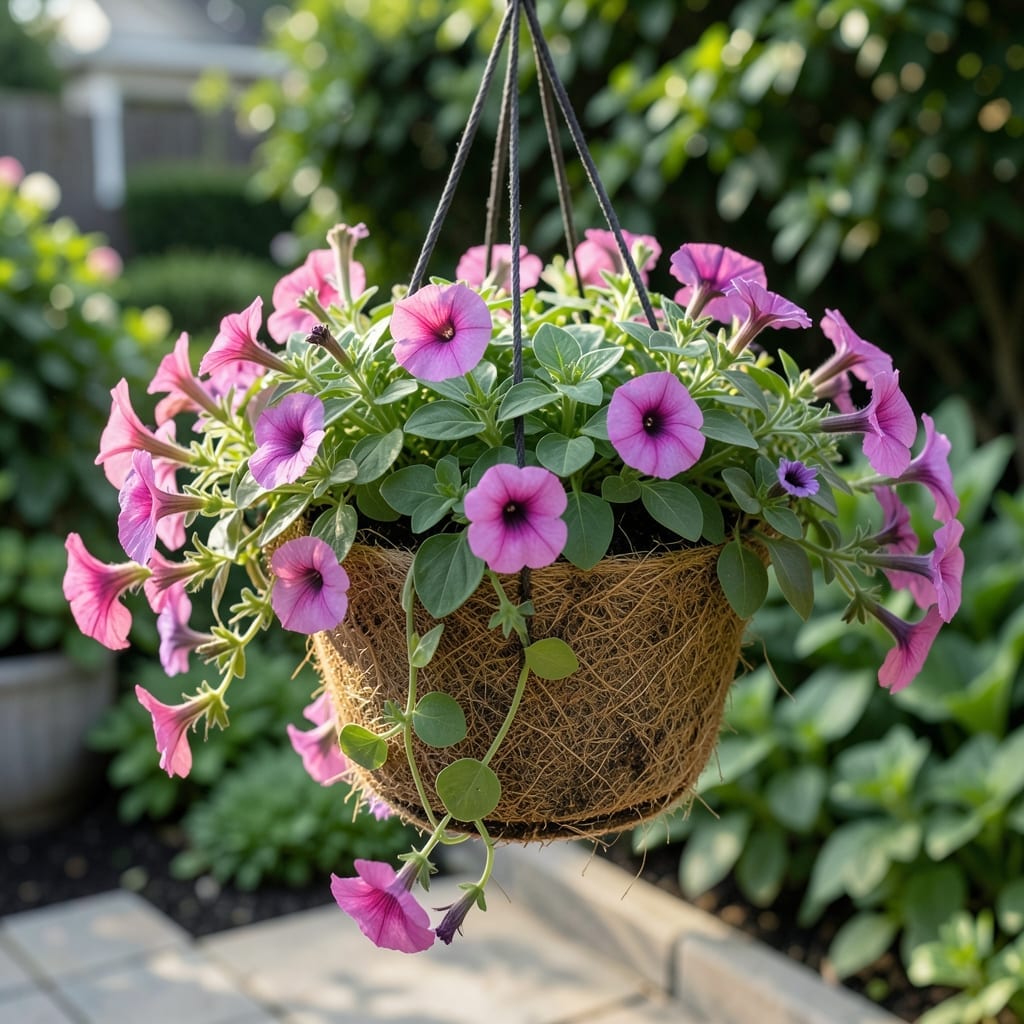
Spring transforms porches into color explosions. I’ve filled my hanging baskets with petunias, lobelia, and trailing ivy for years, and the results never fail to stop neighbors in their tracks.
The secret is picking plants that thrive in containers and cascade beautifully. You need a mix of spillers, fillers, and thrillers—plus a consistent watering routine, as baskets dry out faster than you’d expect.
By late April, these baskets burst with blooms that last through early summer. The right combination means waves of color that keep refilling themselves with minimal effort.
Works for full sun, partial shade, or even covered patios. Here’s how to make it happen.
Spring hanging baskets can lose their vibrancy or falter due to a few common, often preventable causes. Understanding the science behind these issues helps you keep your displays lush and colorful all season long.
Excess water displaces oxygen in the soil, suffocating roots and promoting Pythium or Phytophthora—fungal pathogens that cause root rot. Hanging baskets, with their limited volume, are especially vulnerable. Ensure pots have drainage holes and use a lightweight, well-draining potting mix with perlite or coconut coir to improve aeration.
Many spring favorites like petunias, pansies, and lobelia require 6–8 hours of sunlight daily for optimal photosynthesis. Too little light leads to leggy growth and sparse blooms, while too much (especially intense afternoon sun) can scorch leaves. Match plant selections to your light conditions: shade-loving fuchsias thrive under cover, while sun-worshipping geraniums need full exposure.
Fast-growing spring annuals deplete soil nutrients quickly. A lack of nitrogen causes yellowing leaves (chlorosis), while phosphorus deficiency stunts flower production. Use a balanced, water-soluble fertilizer (e.g., 10-10-10 or 20-20-20) every 7–14 days. Slow-release granules mixed into the soil at planting also provide steady nourishment.
Sudden cold snaps or heatwaves shock plants, halting growth or triggering leaf drop. Many spring basket plants, like impatiens, are sensitive to temperatures below 50°F (10°C). Acclimate plants gradually to outdoor conditions (harden off) and move baskets to sheltered spots during extreme weather. Row covers or frost cloth can provide temporary protection.
Even the most vibrant hanging baskets can run into trouble. Here’s how to tackle common springtime problems and keep your display thriving.
Over- or under-watering is a top culprit. Stick your finger an inch into the soil—if it’s dry, water thoroughly until it drains from the bottom. If soggy, let it dry out before watering again. Prevention tip: 💡 Use baskets with good drainage and a moisture-retaining liner like coconut coir.
Aphids and spider mites love tender spring growth. Blast them off with a strong spray of water, or apply insecticidal soap. For stubborn pests, introduce beneficial insects like ladybugs. Prevention tip: 🎯 Inspect plants regularly and avoid over-fertilizing, which attracts pests.
If your basket looks straggly, trim back leggy stems to encourage bushier growth. Follow up with a balanced, water-soluble fertilizer every 2–3 weeks. Prevention tip: ✨ Pinch back new growth early in the season to promote fullness.
Pale leaves or stunted growth often signal a lack of nutrients. Switch to a high-phosphorus fertilizer to support blooming, or use a slow-release granular option mixed into the soil. Prevention tip: 🌱 Refresh the soil or add compost at the start of the season.
If leaves turn crispy or brown, your basket may be getting too much direct sunlight. Move it to a spot with dappled shade, especially during peak afternoon hours. Prevention tip: 🌡️ Group baskets together to create a microclimate that retains moisture.
With these fixes, your hanging baskets will bounce back and stay lush all season long!
Petunias, geraniums, and verbena thrive in bright conditions. These varieties need 6-8 hours of sunlight daily and bloom continuously with proper care.
Check soil daily—water when the top 1 inch feels dry. Baskets dry out faster than ground plants, so morning watering works best.
No, it compacts in containers. Use a lightweight potting mix with perlite or coconut coir for better drainage and root growth.
Start with slow-release granules at planting, then use liquid fertilizer every 2-3 weeks for continuous blooms.