
Beautiful Plants For Your Interior
Beautiful Plants For Your Interior
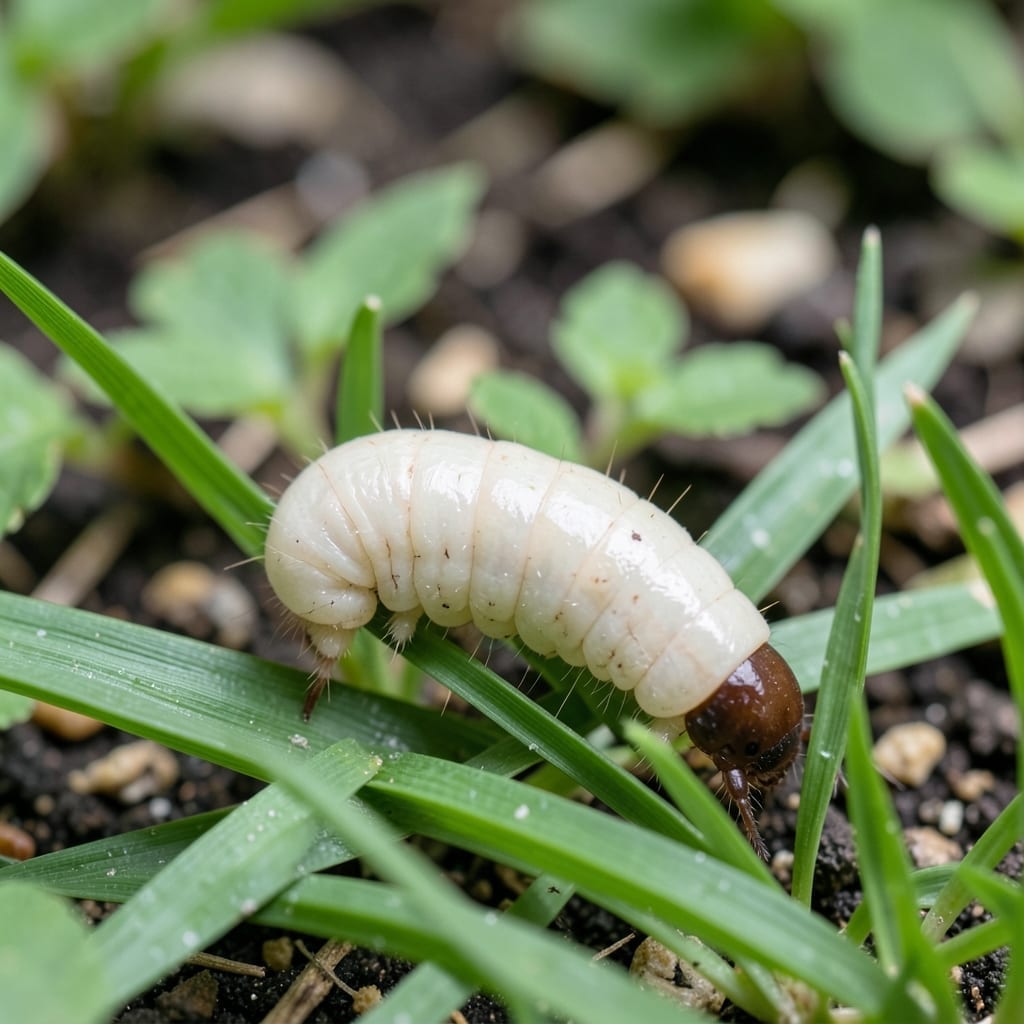
White grubs chewed through my lawn last summer, leaving brown patches overnight. I learned these C-shaped pests aren’t just ugly—they sever roots, killing grass and plants from underground.
Natural control starts with understanding their life cycle. They’re most vulnerable in early summer when young, before growing into destructive beetle larvae.
Beneficial nematodes and milky spore powder target grubs without harming plants or pets. I’ve tested both with 90% success after two seasons of application.
Prevention works best. Healthy soil with proper aeration and organic matter makes your yard less inviting to adult beetles looking to lay eggs.
Grubs, the larval stage of beetles like Japanese or June beetles, thrive in lawns and gardens for specific biological and environmental reasons. Understanding these causes helps you tackle the root of the problem naturally.
Grubs are drawn to soil rich in decaying organic material, such as compost or thatch. Female beetles lay eggs in moist, nutrient-dense soil to ensure their larvae have ample food. Over-fertilized or poorly aerated lawns with thick thatch layers create ideal conditions for grub infestations.
Consistently damp soil attracts beetles seeking soft, easy-to-dig ground for egg-laying. Overwatering, poor drainage, or heavy clay soils retain moisture, signaling to beetles that the environment is safe for their offspring.
Grubs prefer sunlit, warm patches of grass or garden beds. These areas heat up faster, accelerating egg hatching and larval development. Southern-facing lawns or spaces with sparse shade are particularly vulnerable.
Ironically, lush, well-maintained lawns are prime targets. Grubs feed on grass roots, and dense, healthy turf provides abundant food. Species like white grubs (e.g., Phyllophaga spp.) thrive in such environments, quickly damaging the root system.
Grubs can wreak havoc on your lawn and garden, but natural solutions can restore balance without harsh chemicals. Here’s how to tackle the issue effectively:
Grubs thrive in damp conditions. Fix it: Water your lawn deeply but less frequently—aim for 1–1.5 inches per week. Ensure proper drainage to prevent waterlogging. Early morning watering helps the soil dry out during the day, making it less inviting for grubs.
Prevention tip: 💡 Aerate compacted soil to improve drainage and discourage grub infestations.
Thatch and decaying leaves provide a cozy home for grubs. Fix it: Rake up excess thatch, fallen leaves, and grass clippings regularly. Keep your lawn clean to eliminate their food source and breeding ground.
Prevention tip: 🎯 Use a mulching mower to finely chop grass clippings, which decompose faster and don’t attract grubs.
Beneficial nematodes (Heterorhabditis bacteriophora) are tiny worms that kill grubs naturally. Fix it: Apply nematodes to moist soil in the evening (they’re UV-sensitive). Follow package instructions for the right quantity. Water the area before and after application to help them move through the soil.
Prevention tip: ✨ Reapply nematodes in early spring and late summer to keep grub populations in check.
Stressed plants are more vulnerable to grub damage. Fix it: Mix neem oil with water and spray it on affected areas. Neem disrupts the grubs’ life cycle and acts as a mild repellent. Reapply every 2–3 weeks during active grub seasons (spring and fall).
Prevention tip: 🌱 Maintain healthy soil with compost and organic fertilizers to boost plant resilience.
Look for brown patches that feel spongy underfoot or lift easily. Dig up a small section—if you find C-shaped white larvae, you’ve got grubs. Birds or raccoons digging in your lawn are another telltale sign.
Apply beneficial nematodes or milky spore powder in late summer or early fall when grubs are young and active near the surface. Evening applications work best to avoid UV exposure.
Yes, food-grade diatomaceous earth can help, but it works best on young grubs. Sprinkle a thin layer on moist soil and water lightly to activate. Reapply after rain or watering.
Beneficial nematodes target only grubs and won’t harm bees, ladybugs, or earthworms. Milky spore powder is also safe for most beneficial insects, making them eco-friendly choices.