
Beautiful Plants For Your Interior
Beautiful Plants For Your Interior
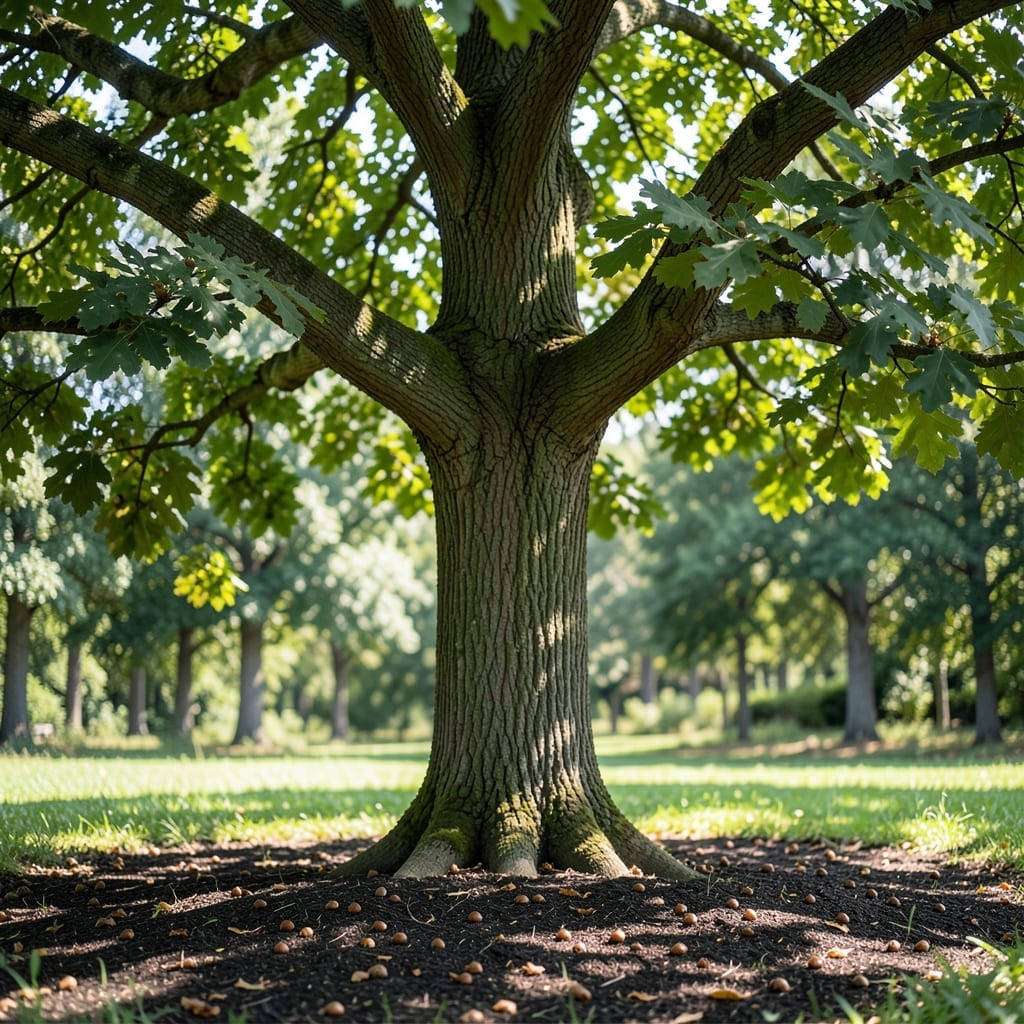
Those strange bumps on your tree leaves aren’t random. I’ve seen galls, scales, and fungal blisters cause this exact problem in my own yard.
Most growths are harmless, but some signal serious trouble. The good news? 80% of these issues respond to simple treatments once you identify the culprit.
You’ll learn to spot the difference between pest damage and disease, then apply the right fix. Early action prevents spread to other plants.
Works for maples, oaks, and fruit trees alike. Here’s how to restore your tree’s healthy leaves.
Growths on tree leaves often stem from biological or environmental stress. Below are the most common causes, explained clearly to help you diagnose and address the issue.
Many leaf growths, like galls or leaf spots, result from fungal pathogens such as Phyllactinia or Taphrina. These fungi thrive in wet, humid conditions, entering leaves through wounds or stomata. They disrupt cell growth, forming abnormal tissues like powdery mildew pustules or cedar-apple rust galls.
Insects and mites, such as aphids, scale insects, or eriophyid mites, often induce growths as a defense mechanism. For example, honeydew from aphids promotes sooty mold, while mites cause erineum galls by injecting chemicals that distort leaf cells.
Bacteria like Pseudomonas syringae or Xanthomonas can trigger leaf nodules or cankers. These pathogens multiply in plant tissues, leading to overgrowths such as bacterial leaf gall. Wet foliage and poor air circulation worsen infections.
Extreme weather, pollution, or chemical exposure can cause hyperplasia (excessive cell division). For instance, ozone damage may create stippling or blister-like growths, while herbicide drift can lead to twisted, malformed leaves.
Rarely, spontaneous genetic changes in leaf cells cause tumors or fasciations—flattened, ribbon-like growths. These are usually harmless but can indicate underlying stress.
Dealing with unsightly growths on tree leaves starts with pinpointing the cause. Below are targeted fixes for common issues, plus prevention tips to keep your trees thriving.
Remove infected leaves and branches immediately to stop the spread. Disinfect pruning tools with rubbing alcohol between cuts. Apply a copper-based fungicide or neem oil to affected areas, following label instructions. Water trees at the base (not overhead) to reduce moisture on leaves.
Prevention: Improve airflow by thinning branches, and avoid overwatering. Rake up fallen leaves to eliminate fungal spores.
For aphids, scale, or mites, blast them off with a strong stream of water or apply insecticidal soap. For stubborn pests like gall-making wasps, prune and destroy galls before they mature. Introduce beneficial insects (e.g., ladybugs) for long-term control.
Prevention: Inspect leaves regularly, especially undersides. Encourage biodiversity to attract pest predators.
Remove and destroy infected leaves or branches. Apply a copper bactericide to protect remaining foliage. Sterilize tools after each use to prevent contamination.
Prevention: Avoid working with wet plants, and disinfect tools between trees. Choose resistant tree varieties when planting.
If growths stem from poor conditions (e.g., drought, nutrient deficiency), improve the tree’s environment. Mulch to retain moisture, fertilize based on soil tests, and ensure proper drainage. For chemical burns (e.g., from herbicides), flush the soil with water.
Prevention: Test soil annually, and follow a consistent watering schedule. Shield trees from extreme weather with burlap wraps or shade cloth.
💡 Pro Tip: Always confirm the cause before treating—misdiagnosis can worsen the problem! When in doubt, consult a local arborist or extension service.
Most leaf growths are harmless, but some can weaken trees over time. Galls rarely cause serious damage, while fungal or bacterial growths may spread if untreated.
Improve air circulation by pruning crowded branches. Remove fallen leaves and debris, and avoid overhead watering to reduce moisture on foliage.
Act at the first sign of growths. Early treatment prevents spread. For fungal issues, apply fungicide at the first symptoms or as a preventative in damp seasons.
Yes! A neem oil spray works for many pests and fungi. For pests, a strong water spray can dislodge them. Always test remedies on a small area first.