
Beautiful Plants For Your Interior
Beautiful Plants For Your Interior
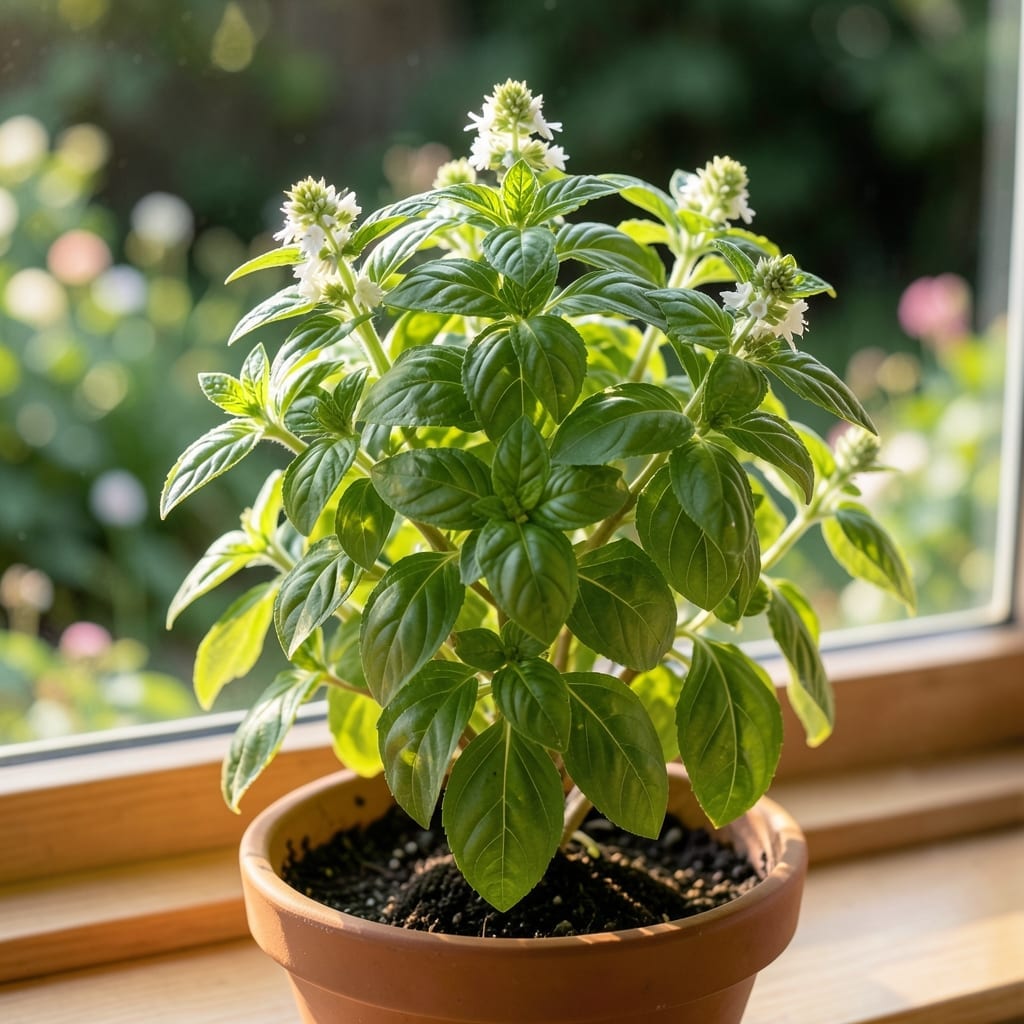
I still remember the first time I crushed a Lemon Basil 🌿 leaf between my fingers – that zesty citrus burst was unforgettable. This isn’t just another herb; it’s a flavor explosion waiting to transform your cooking.
What makes growing this variety so special is how effortlessly it thrives with just a little care. Whether you have a sprawling garden or a sunny windowsill, this fragrant plant adapts beautifully to different spaces.
From seed to harvest, I’ll share the simple secrets that ensure your plants stay healthy and productive. The best part? You’ll be snipping fresh leaves for your meals in just 60-70 days.
Discover how to cultivate this culinary gem and enjoy its bright, refreshing taste all season long. Your taste buds will thank you for making room for this aromatic herb.
I love growing lemon basil for its refreshing citrus scent and vibrant green leaves. It’s a rewarding herb that thrives with proper care and attention to detail. The key is starting with quality seeds and the right growing conditions.
For best results, I begin seeds indoors 6-8 weeks before the last frost date. This gives the plants a head start. Alternatively, you can sow directly outdoors once the soil reaches 70°F.
Once planted, I ensure my lemon basil gets full sun exposure for at least 6-8 hours daily. This herb loves warmth and bright light, which intensifies its lemony flavor and promotes healthy growth.
The soil should be well-draining with a slightly acidic to neutral pH. I mix in organic matter like compost to improve fertility. Avoid heavy clay soils, as they can cause root rot and stunted growth.
Watering is crucial—keep soil moist but not soggy. I water in the early morning to allow foliage to dry before evening. This helps prevent fungal diseases that can damage the plants.
I fertilize lightly every 4-6 weeks with a balanced 5-10-10 fertilizer. Too much fertilizer can lead to leafy growth with less flavor, so I use it sparingly and follow package instructions.
As the plants grow, I pinch back the tips to encourage bushier growth. This also delays flowering, which can make the leaves bitter. Regular pruning keeps the plant compact and productive.
Watch for common pests like aphids or whiteflies. I use organic methods like neem oil or insecticidal soap to control them. Companion planting with marigolds can also help deter pests naturally.
In about 60-70 days, your lemon basil should be ready for harvest. I start picking leaves once the plant reaches 6-8 inches tall. Regular harvesting encourages more growth and ensures a steady supply.
🌿Once your lemon basil is planted, proper care ensures vibrant growth and intense flavor. I’ve found that consistent moisture and regular pruning make all the difference. Keep the soil evenly damp but never soggy to prevent root rot.
This herb thrives with full sun exposure, so aim for 6-8 hours of direct light daily. If you notice yellowing leaves, it might need more light or a break from watering. A south-facing window works wonders for indoor plants. 🌿
Pruning is key to a bushy lemon basil plant. I always snip the top leaves when the plant reaches 6 inches tall. This encourages side shoots and a fuller shape. Use sharp scissors to avoid damaging the stems.
Fertilizing should be light and frequent. A balanced liquid fertilizer applied every 4-6 weeks keeps the plant nourished without overloading it. Early morning is the best time to feed your basil for optimal absorption.
Pests like aphids and whiteflies can be a nuisance. I recommend regular inspections of the undersides of leaves. A neem oil spray works effectively without harsh chemicals. Keep your garden clean and debris-free to deter infestations. ✂️
Finally, harvesting correctly ensures continuous growth. Always pick leaves from the top down and avoid removing more than one-third of the plant at once. This keeps your lemon basil productive and healthy all season long. 🌱