
Beautiful Plants For Your Interior
Beautiful Plants For Your Interior
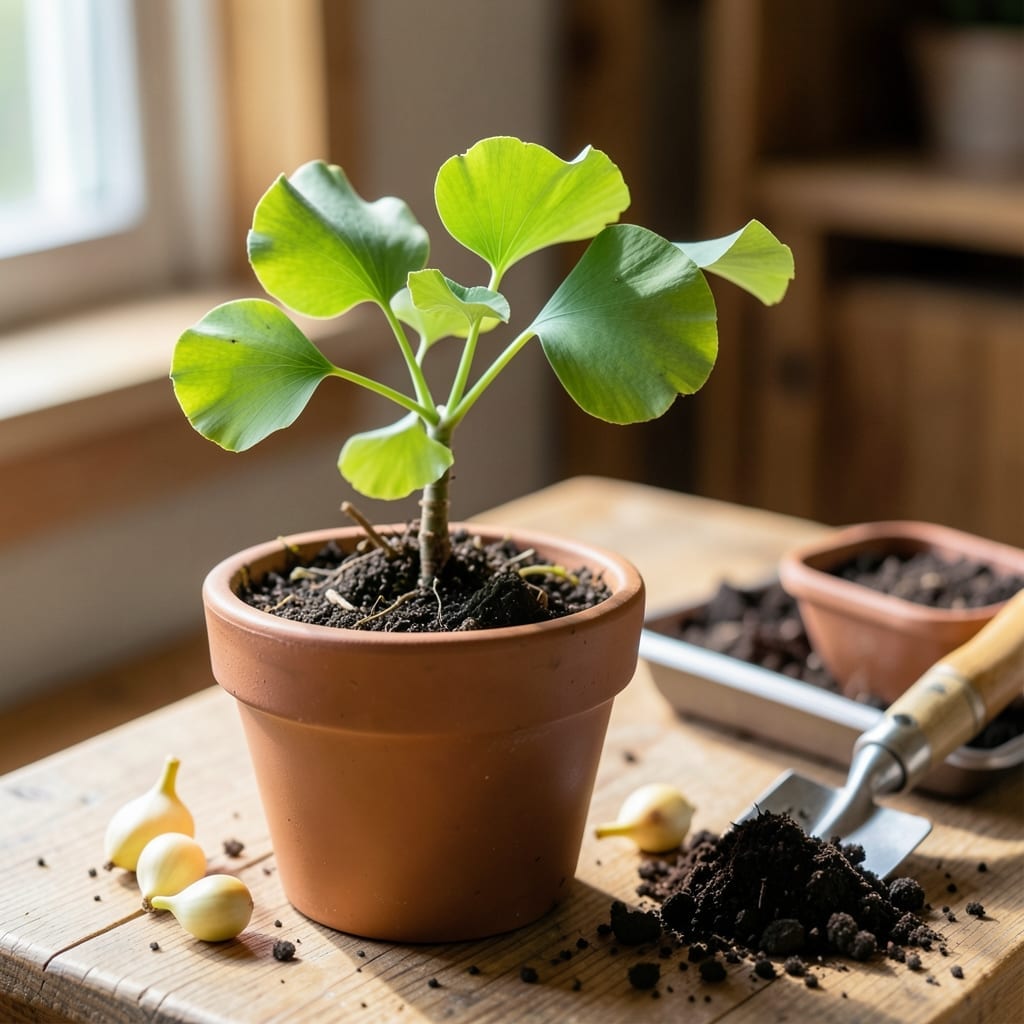
Imagine planting a seed that could outlive you by centuries. The Ginkgo 🌳 is one of Earth’s oldest tree species, and growing it from seed is a uniquely rewarding experience.
I’ve discovered that with the right approach, anyone can successfully germinate these ancient seeds. It’s about understanding their specific needs and timeline.
You’ll learn how to prepare the seeds properly, create ideal conditions, and nurture them through each growth stage. The process might surprise you with its simplicity.
Let me walk you through everything you need to know to start your own Ginkgo journey. The results are worth every bit of effort.


Starting your ginkgo tree from seed is a fascinating process that requires patience and precision. The ginkgo biloba is a living fossil, and its seeds need special treatment to break dormancy. I’ve found that fall planting works best for natural stratification.
Before planting, you’ll need to prepare your seeds properly. Ginkgo seeds have a hard outer shell that benefits from cold stratification. This mimics winter conditions and signals the seed that it’s time to grow.
After cleaning the seeds, I recommend using a mixture of sand and peat moss for stratification. Place them in a sealed container and store in the refrigerator. Check weekly for mold or excess moisture.
Once stratified, plant your seeds in a seed-starting mix rather than regular garden soil. This provides the ideal texture and drainage that ginkgo seeds need. I’ve had success using coconut coir as an eco-friendly alternative.
The ideal temperature for germination is around 70°F. You can use a heat mat to maintain consistent warmth. Keep the soil evenly moist but avoid waterlogging, which can cause the seeds to rot.
Ginkgo seeds typically germinate within 2-4 weeks under optimal conditions. Once you see sprouts emerging, move them to a location with bright, indirect light. Direct sunlight at this stage can be too intense for the delicate seedlings.
When your seedlings develop their first true leaves, it’s time to transplant them. Use small pots filled with well-draining potting mix. This gives them room to grow while preventing root rot from excess moisture.
Remember that ginkgo trees are slow growers, especially in their first year. Don’t be discouraged if progress seems minimal. With proper care, your seedlings will establish strong root systems and begin their journey to maturity.
For best results, I recommend labeling your seeds with the date of stratification and planting. This helps track progress and adjust your care routine as needed. Growing ginkgo from seed is a long-term investment in your garden’s future 🌱
Growing ginkgo from seed can be tricky if you’re not aware of common pitfalls. I’ve seen many gardeners struggle with issues like overwatering or improper stratification, which can doom seeds before they even sprout.
Another frequent mistake is using the wrong planting medium. Ginkgo seeds need well-draining soil to prevent rot, and they’re sensitive to light conditions during germination.
⚠️ Avoid These Ginkgo Growing Mistakes
I learned the hard way that stratification is non-negotiable for ginkgo seeds. These ancient trees evolved to need a cold period to break dormancy, typically 60-90 days in the fridge.
Lighting is another critical factor. While mature ginkgos love full sun, germinating seeds prefer indirect light. Too much direct sun can dry them out or overheat the delicate sprouts.
Don’t overlook soil temperature either. Ginkgo seeds germinate best at 65-75°F. A seedling heat mat can help maintain consistent warmth in cooler climates.
Remember, patience is key. Ginkgo seeds can take 30-60 days to germinate, much longer than many gardeners expect. Don’t give up too soon!
With these warnings in mind, you’ll be well on your way to successfully growing your own ginkgo tree 🌱