
Beautiful Plants For Your Interior
Beautiful Plants For Your Interior
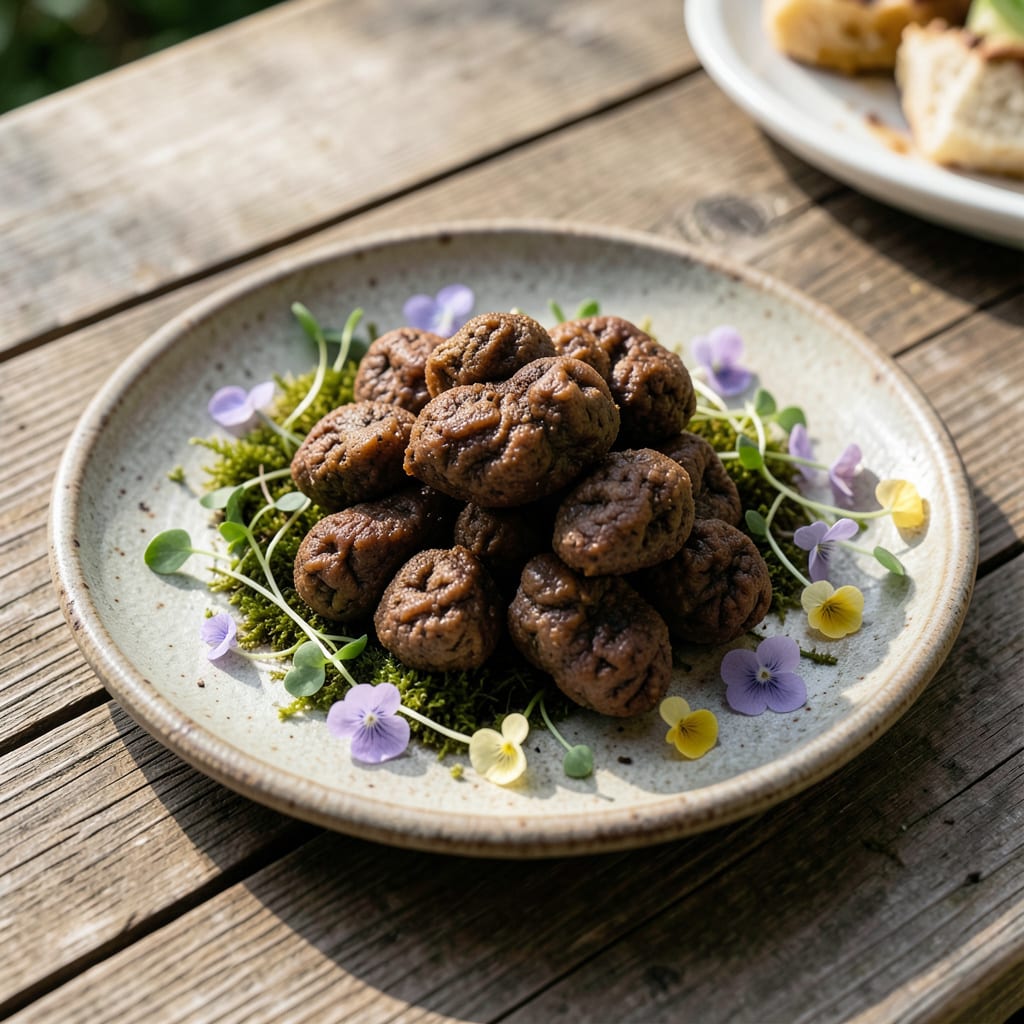
I spotted it first thing this morning—a cluster of dark, lumpy growths that looked suspiciously like something the dog left behind. Turns out, it’s a common fungus that thrives in moist, shaded soil, often popping up overnight after rain.
This isn’t some weird prank nature’s playing on you. The fungus is harmless but unsightly, and it loves mulch, wood chips, or organic matter breaking down. It’s a sign your soil’s doing its job—just a little too enthusiastically.
Removal is simple: scoop it up with a trowel or rake and dispose of it in the trash. Don’t compost it, or you’ll just spread the spores. Improve airflow and sunlight to prevent its return.
Left alone, it’ll disappear on its own in a week or two, but if you’ve got kids or pets, you’ll want to deal with it faster. Here’s how to keep it from coming back.
Ground fungi that resemble animal waste often thrive due to specific environmental and biological factors. Below are the primary causes behind their appearance in your yard or garden.
These fungi, such as Lycoperdon species (puffballs) or Panaeolus, flourish in soil rich in decaying organic material. Fallen leaves, wood chips, or compost provide the perfect food source. As microorganisms break down plant debris, they release nutrients that fungi use to grow. Actionable tip: Reduce organic buildup by raking leaves and clearing dead plant matter regularly.
Fungi require consistent moisture to develop. Overwatering, poor drainage, or prolonged rain can create damp conditions ideal for spore germination. Areas with shaded, compacted soil or thick mulch retain moisture longer, accelerating fungal growth. Actionable tip: Improve drainage with sand or gravel, and avoid overwatering lawns and gardens.
Most poop-like fungi thrive in warm (60–80°F), humid climates. These conditions speed up spore activation and mycelium spread. Late summer and early fall are peak seasons for such growth. Actionable tip: Monitor weather patterns and adjust watering schedules to keep soil drier during humid periods.
Compacted or clay-heavy soil limits air circulation, trapping moisture and organic matter. This creates a prime habitat for fungi. Actionable tip: Aerate your lawn annually and mix organic amendments like compost to improve soil structure.
By addressing these root causes, you can minimize the conditions that allow these unsightly fungi to take hold.
Dealing with ground fungus that resembles poop can be unpleasant, but these practical solutions will help you tackle it effectively. Below are targeted fixes for common causes, along with prevention tips to keep your outdoor spaces clean and fungus-free.
If excess moisture is the culprit, start by reducing watering frequency and ensuring your soil has proper drainage. Use a rake to gently aerate the affected area, allowing it to dry out faster. For lawns, consider dethatching to improve airflow. In garden beds, mix in coarse sand or perlite to enhance drainage.
Fungus thrives on decomposing leaves, wood, or mulch. Rake up and dispose of any organic debris in the area. If the fungus persists, remove the top layer of soil or mulch and replace it with fresh, clean material. Avoid piling mulch too thickly around plants, as this can trap moisture.
Fungus loves dark, damp spots. Trim back overhanging branches or thin out nearby plants to allow more sunlight to reach the ground. If possible, prune trees or shrubs to improve air circulation. For persistent issues, consider installing a small fan or creating a DIY windbreak to keep air moving.
Most types are harmless to plants but may upset pets if eaten. Keep dogs and cats away until removed. It won’t damage your lawn or garden, just looks unappealing.
Moisture triggers rapid spore growth. Warm, damp conditions after rain create the perfect environment for these fungi to pop up suddenly. They often disappear just as quickly when the soil dries out.
Chemicals aren’t necessary. Scoop it up and dispose of it in the trash. For prevention, improve drainage and reduce organic buildup instead of using fungicides.
