
Beautiful Plants For Your Interior
Beautiful Plants For Your Interior
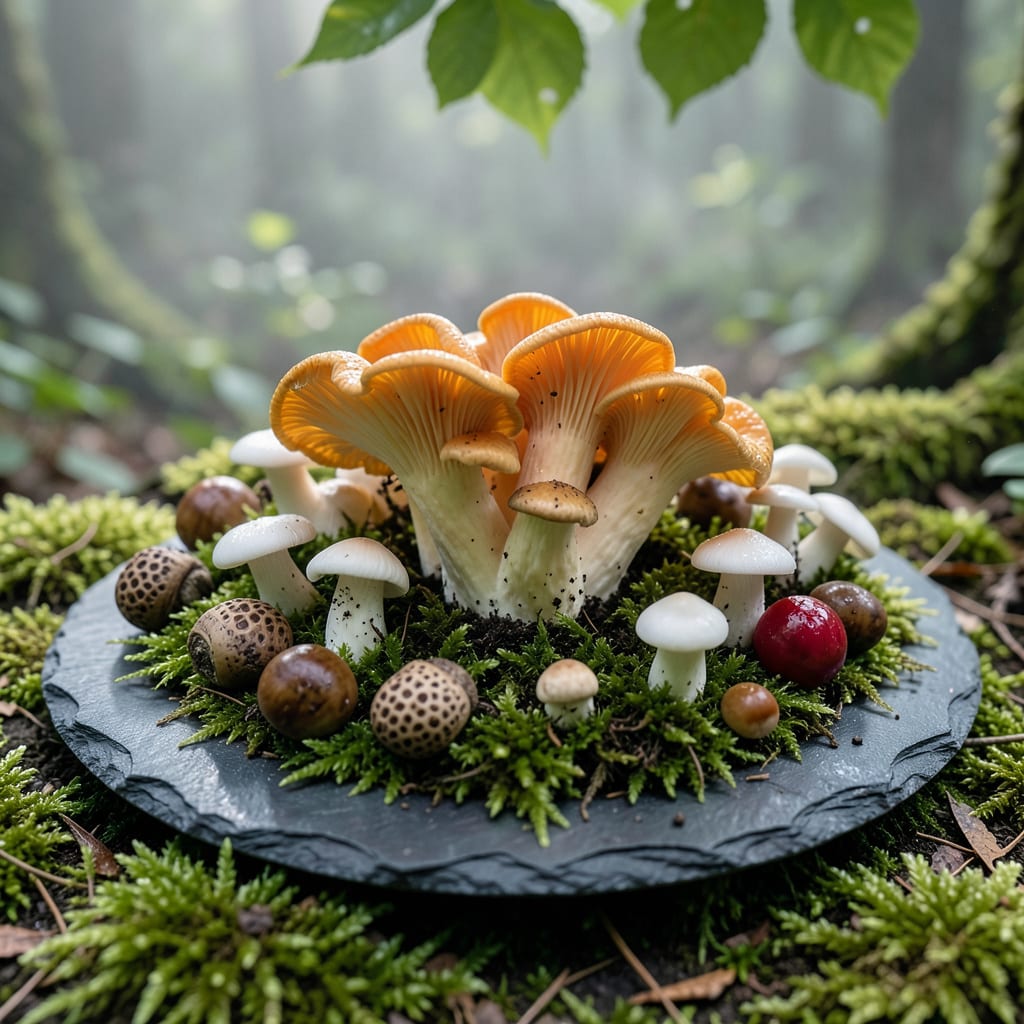
That white powder on your roses isn’t dust. I’ve learned the hard way that garden fungi often disguise themselves as harmless spots or discoloration until they’ve already spread.
Identifying them early saves your plants and your sanity. Look for patterns—powdery mildew leaves a white coating, while rust shows up as orange pustules. Each type has its own calling card.
Most fungi thrive in damp, still conditions. Overwatering, poor air circulation, or last year’s leaf debris can all invite trouble. The good news? A little observation now prevents big problems later.
With the right knowledge, you’ll spot issues before they spiral. Here’s how to tell friend from foe in your garden soil.
Ground and garden fungi thrive due to specific environmental and biological conditions. Understanding these triggers helps prevent outbreaks and protects your plants. Below are the primary causes, explained with actionable insights.
Fungi flourish in damp environments. Overwatering, heavy rainfall, or compacted soil that retains moisture create ideal breeding grounds. Saturated soil reduces oxygen availability, stressing plant roots and inviting fungal spores to take hold. To combat this, ensure proper drainage by amending soil with organic matter or installing French drains.
Decaying leaves, wood chips, or unremoved plant debris provide a food source for fungi. As these materials break down, they release nutrients that feed fungal growth. Regularly clear fallen leaves, prune dead branches, and remove spent mulch to minimize this risk. Compost piles should also be managed carefully to avoid contamination.
Most garden fungi thrive in temperatures between 60–80°F (15–27°C) with high humidity. These conditions accelerate spore germination and spread. Shade from dense plantings or structures can trap moisture and heat, exacerbating the problem. Improve airflow by spacing plants appropriately and pruning overgrown areas.
Fungal spores can linger in soil or on plant surfaces for years. Introducing infected plants, contaminated tools, or untreated compost spreads pathogens. Sterilize gardening tools with a 10% bleach solution and inspect new plants for signs of disease before planting. Crop rotation also disrupts fungal life cycles in vegetable gardens.
Unbalanced soil pH or nutrient deficiencies weaken plants, making them more susceptible to fungal infections. Conduct a soil test to check for imbalances. Amend soil with lime (to raise pH) or sulfur (to lower pH) as needed, and use organic fertilizers to boost plant resilience.
Dealing with ground fungus in your garden can feel overwhelming, but targeted solutions can restore your plants’ health. Below are practical fixes for common causes, paired with prevention tips to keep your garden thriving.
Fungus loves wet, compacted soil. To fix this, amend heavy soil with organic matter like compost or sand to boost drainage. Raise garden beds if water pools frequently, and avoid overwatering. Prevention tip: Water early in the day so surfaces dry faster, denying fungus a moist home. 💡
Decaying leaves and plant debris are fungus magnets. Remove fallen leaves, dead plants, and weeds regularly to eliminate breeding grounds. Sanitize garden tools with a bleach solution (1 part bleach to 9 parts water) after use to prevent spreading spores. Prevention tip: Mulch with clean straw or bark to suppress spores while improving soil health. ✨
Dense plantings trap moisture and block airflow, creating ideal conditions for fungus. Thin out crowded plants and prune excess foliage to improve circulation. Space plants according to their mature size to allow air to flow freely. Prevention tip: Stake tall plants to keep leaves off the ground and reduce humidity. 🎯
Weak or over-fertilized plants are more susceptible to fungus. Test your soil and amend it with balanced, slow-release fertilizers. Avoid high-nitrogen feeds, which promote lush but weak growth. Prevention tip: Rotate crops annually to disrupt fungus cycles and maintain soil vitality. 🌡️
By addressing the root causes and adopting these habits, you can minimize fungal issues and enjoy a healthier, more resilient garden.
Fungus often appears as powdery coatings, dark spots, or thread-like growths on soil or plants. Dirt is uniform in color and texture, while fungal growth has distinct patterns or colors like white, orange, or black.
Remove affected plant parts immediately and isolate them. Improve airflow and reduce moisture by watering in the morning. Apply a baking soda solution (1 tsp per quart of water) as a natural fungicide.
Yes, but sterilize it first by baking at 200°F for 30 minutes or solarizing with clear plastic for 4-6 weeks. This kills spores without chemicals. Always repot with clean tools.
Fungus returns due to lingering spores or unchanged conditions. Rotate crops, improve drainage, and remove all debris between plantings. Consistent airflow and dry foliage prevent recurrence.
