
Beautiful Plants For Your Interior
Beautiful Plants For Your Interior
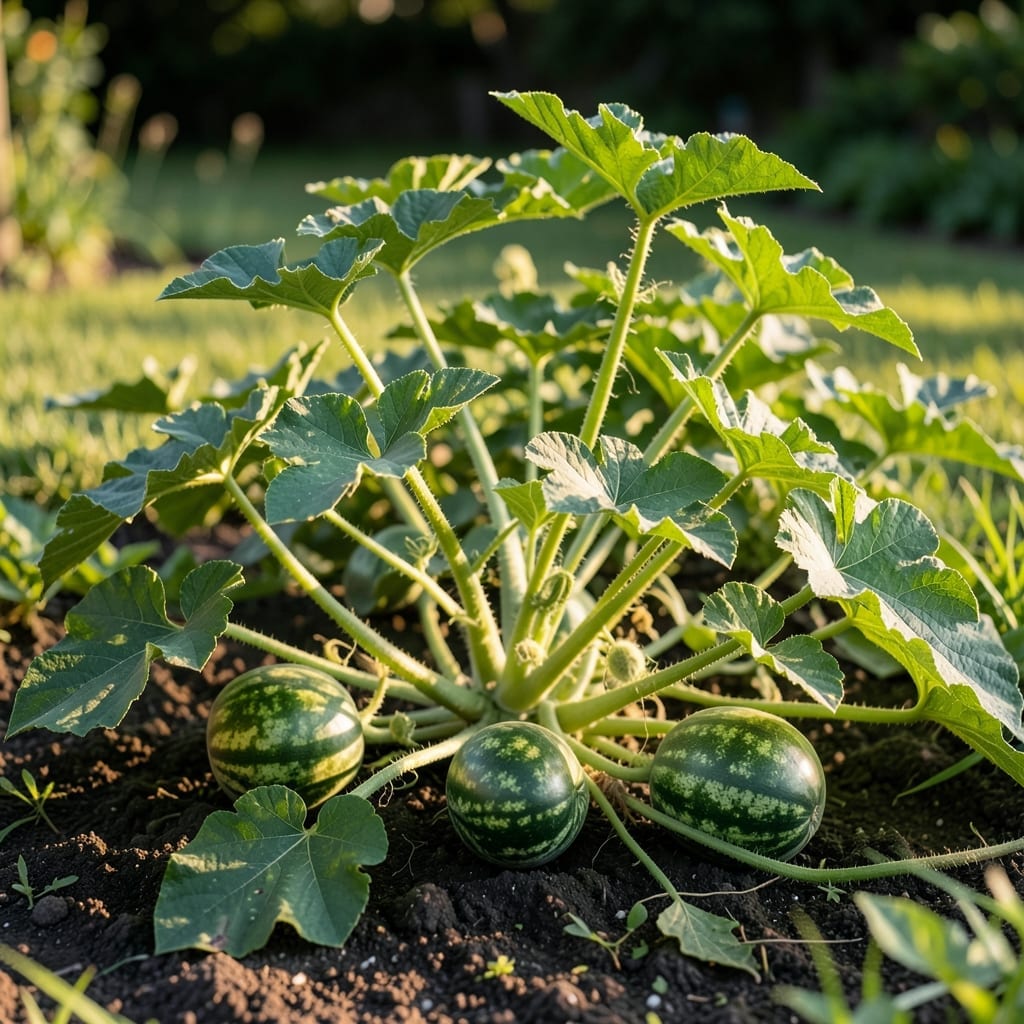
Green round fruits on vines add a unique touch to any garden. 🌱 I’ve grown several varieties, and the right care turns them from struggling plants into thriving, productive additions to your space.
The key is matching the vine to your climate and soil. Some need full sun, others tolerate shade, but all benefit from consistent moisture and a sturdy trellis to climb.
You’ll be rewarded with vibrant foliage and, depending on the type, edible or ornamental fruits. Most varieties establish quickly and produce within their first season.
Works for small yards, patios, or even balconies with the right setup. Here’s how to get started.
The green round fruit on vine may develop due to several natural and environmental factors. Understanding these causes can help you foster healthier growth or address unwanted occurrences in your garden.
Many vining plants, such as gourds, melons, or cucumbers, produce round green fruits as part of their reproductive cycle. These fruits form after pollination, when the plant’s flowers are fertilized by bees or other pollinators. The ovary swells and develops into the fruit, which initially appears green and hardens as it matures. This is a normal biological process and indicates a healthy, fruit-bearing plant.
Excess moisture in the soil can trigger unusual fruit development. When roots are consistently soggy, the plant may produce green round growths as a stress response. These are often underdeveloped or misshapen due to nutrient uptake issues. To prevent this, ensure your vines are planted in well-draining soil and water only when the top inch of soil feels dry.
A deficiency or excess of certain nutrients—particularly nitrogen, potassium, or boron—can lead to abnormal fruit formation. For example, too much nitrogen promotes leafy growth at the expense of fruit development, while low boron levels may cause malformed or stunted fruits. Conduct a soil test and amend with a balanced fertilizer to correct imbalances.
Some pests, like aphids or cucumber beetles, damage young fruits or flowers, causing the plant to produce irregular green growths as it recovers. Fungal diseases, such as powdery mildew, can also stress the plant and disrupt normal fruit development. Use neem oil or organic fungicides to manage infestations and maintain plant health.
Growing green round fruit on vine can come with challenges, but most problems have simple solutions. Below are practical fixes for the most common issues, along with prevention tips to keep your vines thriving.
Yellow leaves often signal a nitrogen deficiency. Fix it by applying a balanced, water-soluble fertilizer (10-10-10) every 2–3 weeks during the growing season. For a natural boost, work compost into the soil around the base of the plant. Prevention tip: 💡 Test your soil annually and amend it with organic matter before planting.
If your vines are blooming but not setting fruit, poor pollination is likely the culprit. Fix it by hand-pollinating flowers with a small brush or inviting pollinators like bees by planting companion flowers nearby. Avoid using pesticides during bloom time. Prevention tip: ✨ Plant pollinator-friendly species (e.g., marigolds or lavender) near your vines to attract bees naturally.
Wilting can result from both overwatering and underwatering. Fix it by checking the soil moisture 1–2 inches deep—it should feel damp but not soggy. Water deeply 1–2 times per week, depending on rainfall, and ensure your vines have well-draining soil. Prevention tip: 🌡️ Use mulch to retain moisture and prevent soil temperature fluctuations.
Aphids, cucumber beetles, and spider mites can harm vines and fruit. Fix it by spraying affected areas with neem oil or a mixture of water and mild soap. For severe infestations, introduce beneficial insects like ladybugs. Prevention tip: 🎯 Rotate crops yearly and remove plant debris to discourage pests from overwintering.
Common vining plants with this trait include cucumbers, melons, and some gourd varieties. These fruits start green and round, often maturing into different shapes and colors.
Use a sturdy trellis or fence for vertical growth. This saves space and improves air circulation, reducing disease risk. Secure stems gently with soft ties.
Small fruits often mean poor pollination or nutrient deficiency. Hand-pollinate if bees are scarce, and use a balanced fertilizer every 2-3 weeks.
Yes, choose compact varieties and a container with 5+ gallon capacity. Ensure it has drainage holes and a small trellis for support.