
Beautiful Plants For Your Interior
Beautiful Plants For Your Interior
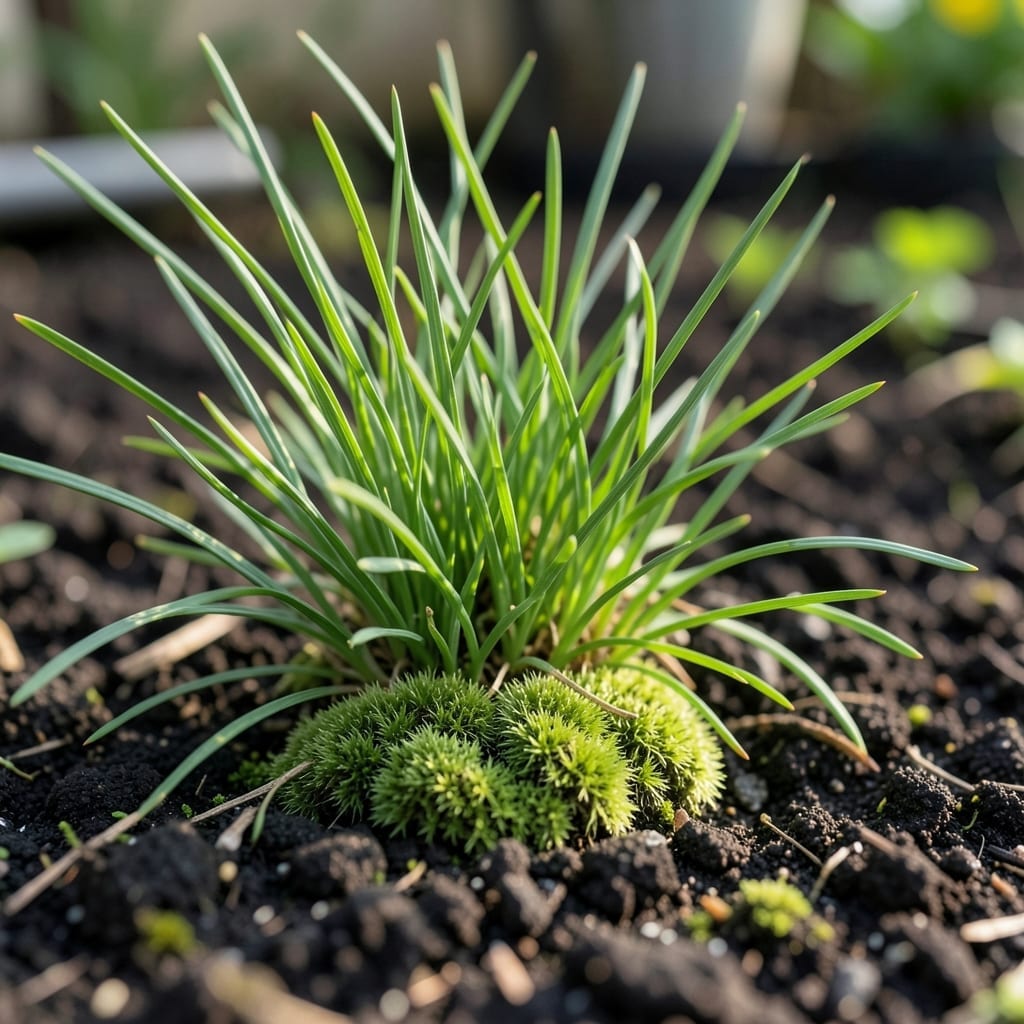
Green mold on yard dirt is typically harmless fungus thriving in moist, shaded areas with organic matter. It appears as fuzzy patches and can spread quickly in damp conditions.
I’ve noticed this often appears after heavy rains or in spots with poor drainage. The green color usually indicates common fungi like Penicillium or Cladosporium, which break down organic material. While not dangerous to most plants, it can signal your soil needs better airflow and less moisture. ✨
In my experience, improving sunlight exposure and removing leaf litter helps prevent its return. 💫
💡 In This Article
This fungus thrives in environments where moisture lingers for 48+ hours after rain or watering. The spores need consistent dampness to germinate, with ideal soil moisture levels between 60-80% saturation. Shaded areas under trees or along north-facing walls often stay wet longest, creating perfect breeding grounds. ✨
Organic debris acts as the primary food source for these fungi. Fallen leaves, grass clippings, and wood chips contain cellulose that green mold species like Trichoderma and Aspergillus break down efficiently. A 1-inch layer of accumulated organic matter can support visible growth within 3-5 days of consistent moisture. 💫
Temperature also plays a crucial role. Green mold grows most aggressively between 70-85°F, which explains why it’s more common in spring and fall. The spores can remain dormant in soil for years, activating when conditions become favorable. Even in winter, some species grow slowly under snow cover where temperatures stay above 40°F. ⚡
Soil compaction worsens the problem by reducing drainage. In compacted areas, water pools on the surface for 2-3 times longer than in loose, aerated soil. This extended moisture exposure gives mold spores more time to establish colonies. Regular aeration with a garden fork can improve drainage by 30-40%. 🔥
What most people overlook is how evening watering contributes to growth. Watering at dusk leaves soil damp overnight when temperatures drop, creating the perfect humid microclimate. Switching to morning watering allows soil to dry during the day’s warmth, reducing mold-friendly conditions by up to 60%. ✨
Most green mold types are harmless to established plants and animals. However, pets shouldn’t ingest large amounts. Remove visible growth if children or pets frequent the area.
Improve drainage by adding 1-2 inches of sand or compost. Rake leaves regularly and water in the morning. Even 2-3 hours of sunlight helps prevent regrowth.
Heavy rain creates ideal conditions for growth. After rain, rake affected areas on dry days. Consider covering patches with a tarp during extended wet periods.
Avoid bleach as it harms soil health and plants. Natural remedies like vinegar or baking soda work effectively without damaging your yard’s ecosystem.