
Beautiful Plants For Your Interior
Beautiful Plants For Your Interior
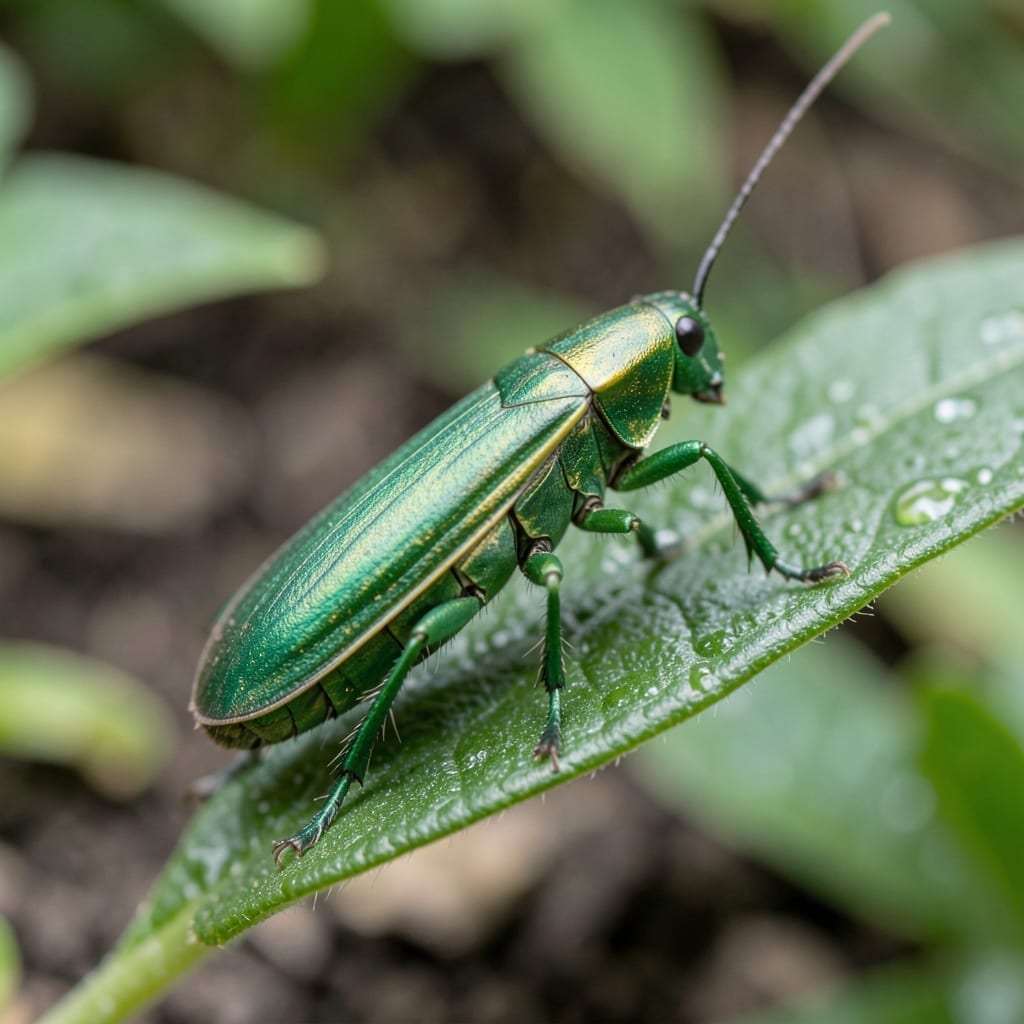
Spotted these bright green pests clustering on your leaves yet? Green blister bugs appear harmless but can quickly defoliate your most prized plants if left unchecked.
I first noticed them on my tomato plants last summer—their distinctive shape and color make them easy to identify once you know what to look for. These insects gather in groups and can strip foliage surprisingly fast.
Safe removal is key since crushing them releases a skin-irritating fluid. The good news is they’re slow-moving, making targeted removal straightforward with the right approach.
We’ll cover organic control methods that protect your garden’s health without harsh chemicals. Prevention starts with regular inspection of vulnerable plants.
The presence of green blister bugs in your garden is rarely random. These pests thrive under specific conditions, often tied to ecological imbalances or plant health. Understanding the root causes helps you prevent outbreaks before they start.
Green blister bugs, particularly Lygus lineolaris, are drawn to gardens with dense populations of their favorite hosts: legumes (like beans and peas), alfalfa, and certain weeds (e.g., pigweed or lambsquarters). Monoculture plantings or unmanaged weed patches create ideal feeding grounds, allowing populations to explode. Action: Diversify crops and remove weed hosts to disrupt their lifecycle.
These bugs proliferate in late spring to early summer when temperatures rise above 75°F (24°C) with low humidity. Drought-stressed plants emit volatile organic compounds (VOCs) that attract blister bugs, as the insects seek out weakened vegetation for easier feeding and egg-laying. Action: Maintain consistent soil moisture and use mulch to reduce stress signals.
Green blister bugs have few natural enemies in disturbed ecosystems. Parasitoid wasps (e.g., Peristenus spp.) and predatory beetles typically keep populations in check, but broad-spectrum pesticide use or habitat loss can eliminate these allies. Action: Introduce native plants to support beneficial insects and avoid chemical sprays that harm predators.
Debris, fallen leaves, and untended garden edges provide overwintering sites for adult bugs and their eggs. Decaying plant matter also fosters fungal growth, which some blister bug species use as a secondary food source. Action: Clear garden debris in fall and till soil to expose hidden eggs to harsh winter conditions.
Dealing with green blister bugs in your garden? Here’s how to tackle the issue effectively and prevent future infestations.
If you spot a small number of bugs, handpick them early in the morning when they’re sluggish. Wear protective gloves to avoid skin irritation from their blistering fluids. Drop them into a bucket of soapy water to ensure they don’t return.
Mix 1 tablespoon of mild dish soap with 1 quart of water. Spray this directly on the bugs to break down their protective coatings. Reapply every few days or after rain for best results. Pro tip 💡: Test the spray on a small plant area first to avoid damage.
Encourage beneficial insects like ladybugs, lacewings, and parasitic wasps, which prey on green blister bugs. Plant native flowers and avoid broad-spectrum pesticides to keep these helpers around.
With these steps, you can safely manage and prevent green blister bug outbreaks while keeping your garden thriving. ✨
They love legumes like beans and peas, plus alfalfa and weeds like pigweed. Tomato plants are also common targets in home gardens.
Crushing releases a skin-irritating fluid that can cause blisters. Always wear gloves and use soapy water for safe disposal.
Inspect plants weekly during warm months, especially the undersides of leaves where they cluster. Early detection prevents outbreaks.
Yes, broad-spectrum pesticides kill beneficial insects like ladybugs. Use targeted organic methods to protect your garden’s natural defenses.